

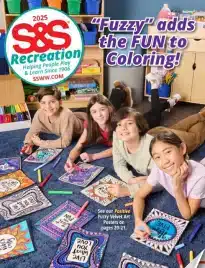
Finding the right balance between education and entertainment is a constant challenge for those who manage groups. Whether it is a teacher trying to keep a classroom focused or a camp counselor looking for ways to fill a rainy afternoon, the quality of supplies often dictates the success of the program. Having access to a wide variety of materials that cater to different skill levels and interests allows for a more inclusive environment where everyone feels they can participate. It is not just about keeping people busy; it is about providing tools that spark curiosity and encourage individuals to explore new talents they might not have known they possessed.
When activities are thoughtfully planned with high-quality resources, the participants tend to be more engaged and less prone to distraction. This is particularly true in settings like senior living facilities or after-school programs where social interaction is just as important as the activity itself. Using reliable equipment ensures that the focus remains on the experience rather than on technical difficulties or broken materials. This approach builds confidence and fosters a positive atmosphere for learning and growth.
Unlocking Potential Through Hands-On Creative Learning
Artistic expression is one of the most effective ways to help individuals develop fine motor skills and emotional intelligence. For children, holding a paintbrush or threading beads helps refine the small muscle movements necessary for writing and other daily tasks. For adults, especially those in rehabilitative settings, these same activities can provide therapeutic benefits that maintain dexterity and offer a sense of accomplishment. The variety of creative projects available today means that there is something for everyone, regardless of their previous experience with art.
One of the most popular ways to engage a group is through themed craft kits. These kits are often designed to be self-contained, providing all the necessary components to complete a project from start to finish. This is incredibly helpful for organizers who may not have the time to source individual items like glue, glitter, or specific types of paper. By using pre-organized sets, the transition from instruction to creation is seamless, allowing more time for the actual making process. This efficiency is a major reason why many educators rely on specialized suppliers for their seasonal and holiday planning.
- Wood crafts that can be painted or stained for a professional look.
- Jewelry making kits that teach patterns and sequencing.
- Ceramic items that allow for permanent artistic displays.
- Fabric and textile projects like tie-dye or weaving.
- Paper crafts that focus on folding, cutting, and geometric shapes.
Beyond the physical product, the process of creating something by hand encourages problem-solving. A participant might realize that a certain color combination does not work as expected or that they need to adjust their technique to get a specific result. These small moments of realization are where true learning happens. It encourages a growth mindset, where mistakes are seen as part of the journey rather than a failure. Providing a diverse range of materials ensures that every person can find a medium that speaks to them, whether it is the tactile nature of clay or the precision of beadwork.
Enhancing Physical Development and Teamwork
While creative arts focus on the mind and fine motor skills, physical activity is essential for overall health and social development. In a world where many spend hours in front of screens, getting people up and moving is more important than ever. High-quality sports equipment and active play sets are the foundation of any successful physical education program or summer camp. These tools are designed to be durable enough for heavy use while being safe for participants of all ages. Active play is not just about burning energy; it is about learning the rules of a game, understanding sportsmanship, and working toward a common goal.
Group games often require participants to communicate effectively. When playing a game of tag with specialized equipment or participating in a relay race, individuals must coordinate their movements with others. This builds a sense of community and helps break down social barriers. For younger children, this might be their first experience with structured social interaction in a competitive yet friendly environment. For older adults, low-impact physical games can help maintain cognitive development and physical mobility, which are crucial for long-term wellness.
- Parachutes for cooperative movement and rhythm exercises.
- Inflatable balls of various sizes for inclusive sports.
- Agility ladders and cones for coordination drills.
- Bean bag toss and target games for precision and focus.
- Team vests and markers to help organize large group play.
The versatility of modern play equipment allows for adaptation. A standard game of soccer can be modified with softer, larger balls for those with limited mobility, ensuring that everyone can join in the fun. This inclusivity is a hallmark of a well-run program. By having the right supplies on hand, coordinators can pivot their plans based on the needs of the group, making sure that no one is left on the sidelines. This flexibility is what turns a simple afternoon of play into a meaningful experience that participants will remember long after the day is over.
Sensory Engagement and Specialized Learning
For many individuals, especially those with sensory processing needs or developmental challenges, traditional activities can sometimes be overwhelming. This is where specialized sensory tools become invaluable. Sensory engagement involves using materials that stimulate the senses of touch, sight, and sound in a controlled and calming way. Items like weighted blankets, textured balls, or liquid timers can help individuals self-regulate their emotions and focus their attention. These tools are frequently used in special education classrooms and therapeutic environments to create a safe space for learning.
The beauty of sensory-focused supplies is that they are often beneficial for everyone, not just those with specific needs. A classroom that incorporates flexible seating or tactile fidgets often sees an increase in overall focus and a decrease in disruptive behavior. When people are physically comfortable and their sensory needs are met, they are much more receptive to new information. It is about creating an environment that respects individual differences and provides the necessary support for everyone to succeed at their own pace.
Building Stronger Communities Through Shared Activities
One of the most significant advantages of having a robust inventory of activity supplies is the ability to foster group dynamics. Shared experiences are the glue that holds communities together. Whether it is a neighborhood block party, a church youth group, or a corporate team-building event, the activities provided serve as a catalyst for conversation and connection. When people are engaged in a common task, like building a large-scale puzzle or competing in a trivia challenge, the pressure of formal interaction is removed, allowing for more natural and authentic connections to form.
Organizers often find that the best way to encourage participation is to offer a variety of options. Some people may prefer the quiet concentration of a board game, while others want the high energy of a field day. Having a diverse selection of games and activities ensures that everyone finds a place where they feel comfortable. This diversity also allows for multi-generational interaction, where children and seniors can play side-by-side, sharing stories and learning from one another. These interactions are vital for building empathy and understanding across different age groups.
Integrating STEM and Educational Play
Modern educational standards place a heavy emphasis on STEM education (Science, Technology, Engineering, and Math). However, teaching these concepts does not have to be restricted to textbooks and lectures. In fact, hands-on learning is often much more effective at helping students grasp complex ideas. Building blocks, simple robotics kits, and logic puzzles allow learners to see the practical application of the theories they study in school. By experimenting with structures or observing the laws of physics in action through play, students develop a deeper and more lasting understanding of the subject matter.
Educational play also encourages curiosity. When a student is given the freedom to explore how things work, they are more likely to ask questions and seek out answers. This proactive approach to learning is a skill that will serve them well throughout their lives. Providing the right resources, such as those found through S&S Worldwide, ensures that every activity is an opportunity for discovery and growth.