

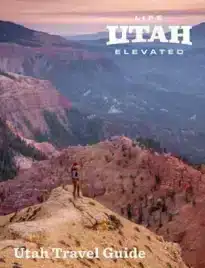
Utah stands as a premier destination for travelers seeking a profound connection with the outdoors. The state offers a dramatic contrast of environments, ranging from the high-altitude alpine forests of the Wasatch Range to the deep, sun-scorched canyons of the south. Whether the goal is to stand beneath massive sandstone arches or to ski through some of the world’s most famous powder, the geographic diversity found here provides a nearly endless list of activities for every type of visitor.
Planning a trip through this region requires an understanding of both the vast distances between attractions and the varying climates found across different elevations. A well-organized itinerary allows for a seamless transition between the bustling energy of Salt Lake City and the quiet, starlit nights of the high desert. This guide focuses on maximizing the experience by highlighting essential stops and providing logistical advice for navigating the unique terrain of the Beehive State.
Exploring the Iconic Mighty Five National Parks
The centerpiece of Utah tourism is undoubtedly the collection of five national parks located in the southern half of the state. Each park offers a distinct geological story and a unique set of challenges for hikers and photographers. Zion National Park often serves as the starting point for many journeys, known for its massive cream, pink, and red sandstone cliffs that soar into the sky. The Zion Canyon Scenic Drive provides access to famous trailheads like Angels Landing and the Narrows, where visitors can walk through the Virgin River between towering canyon walls.
Moving east, Bryce Canyon National Park presents a completely different visual experience. Rather than a traditional canyon, Bryce is a collection of giant natural amphitheaters filled with hoodoos—tall, thin spires of rock formed by frost weathering and stream erosion. The contrast between the bright orange rock and the deep green of the Ponderosa pines creates a striking landscape, especially during the winter months when a dusting of white snow covers the formations. The Rim Trail offers accessible views, while the Navajo Loop provides a steeper descent into the heart of the hoodoo forests.
Arches and Canyonlands: The Moab Experience
The town of Moab serves as the gateway to both Arches and Canyonlands National Parks. Arches National Park contains the highest concentration of natural stone arches in the world, with over 2,000 documented structures. Delicate Arch remains the most famous, requiring a steady uphill hike to reach its base at sunset. Beyond the arches, the park features massive fins, giant balanced rocks, and soaring pinnacles that look like they belong on another planet. Due to its popularity, timed entry reservations are often necessary during peak seasons to manage the flow of traffic.
Just a short drive away, Canyonlands National Park offers a sense of immense scale and ruggedness. Divided into four districts by the Green and Colorado Rivers, the Island in the Sky district is the most accessible for first-time visitors. It features high mesas with panoramic views of the surrounding canyons. For those with a high-clearance four-wheel-drive vehicle, the Needles district provides a more remote experience with colorful spires and extensive backcountry hiking. The sheer vastness of Canyonlands highlights the raw power of erosion over millions of years.
Capitol Reef: The Hidden Gem
Often overlooked in favor of its more famous neighbors, Capitol Reef National Park protects the Waterpocket Fold, a 100-mile long warp in the Earth’s crust. This park offers a blend of natural wonders and pioneer history. Visitors can explore the Fruita Rural Historic District, where orchards planted by early settlers still produce fruit that guests can pick during harvest season. The Hickman Bridge trail provides a moderate hike to a large natural bridge, while the scenic drive reveals layers of colorful rock that demonstrate the complex geological history of the region.
State Parks and Natural Monuments Worth the Detour
While the national parks receive the most attention, Utah’s state parks and natural monuments often provide equally impressive views with smaller crowds. Dead Horse Point State Park, located near Canyonlands, offers a dramatic overlook of the Colorado River snaking 2,000 feet below. The perspective from the point is often cited as one of the most photographed vistas in the world. Similarly, Goblin Valley State Park features thousands of small, mushroom-shaped rock formations that create a surreal, playground-like atmosphere for families and explorers.
- Grand Staircase-Escalante: A massive, remote area featuring slot canyons, waterfalls, and prehistoric sites.
- Snow Canyon State Park: Located near St. George, this park features volcanic cones and sand dunes amidst red rock.
- Antelope Island: Situated in the Great Salt Lake, it offers a chance to see free-roaming bison and unique salt-crust beaches.
- Coral Pink Sand Dunes: A shifting landscape of bright orange sand perfect for photography and off-road recreation.
For those interested in ancient history, Bears Ears and Grand Staircase-Escalante National Monuments contain thousands of archaeological sites, including cliff dwellings and rock art. These areas require a high level of respect and preparation, as they are often remote with limited services. Visiting these sites offers a deeper understanding of the indigenous cultures that have inhabited the Colorado Plateau for thousands of years.
Seasonal Considerations and Travel Logistics
Timing is everything when planning a visit to the high desert. Spring and autumn are generally considered the best times for hiking and sightseeing, as temperatures remain mild and the risk of extreme weather is lower. During April, May, September, and October, daytime temperatures usually hover in the 70s and 80s Fahrenheit, making long treks more comfortable. However, these are also the busiest times, so booking accommodations well in advance is essential.
Summer can be intensely hot, especially in Moab and St. George, where temperatures frequently exceed 100 degrees. Travelers visiting in July or August should plan their activities for the early morning or late evening to avoid the peak heat. Monsoon season also occurs in late summer, bringing sudden and heavy rainfall that can cause flash floods in slot canyons. Always check the weather forecast and park ranger reports before entering narrow drainage areas.
Winter in the Wasatch
Winter transforms the northern part of the state into a world-class destination for skiing and snowboarding. The mountains surrounding Salt Lake City, Park City, and Ogden receive significant snowfall, often referred to as the greatest snow on earth due to its low moisture content. Resorts like Alta, Snowbird, and Deer Valley offer diverse terrain for all skill levels. Even if skiing isn’t on the agenda, the mountain towns offer a cozy atmosphere with fine dining, shopping, and festivals like the Sundance Film Festival in January.
Transportation within the state is most effectively handled by car. While Salt Lake City has a functional light rail system, reaching the national parks and rural areas requires a personal vehicle. Many visitors choose to fly into Salt Lake City International Airport and rent a car for a loop tour of the southern parks. It is important to keep the fuel tank full, as stretches of highway in southern Utah can go for 50 miles or more without a service station. Carrying extra water and a physical map is also recommended, as cellular service is notoriously spotty in the deep canyons and remote wilderness areas.
When visiting these fragile environments, practicing Leave No Trace principles is vital to preserving the landscape for future generations. This includes staying on marked trails to protect biological soil crusts, packing out all trash, and respecting wildlife from a distance. By following these guidelines and preparing for the unique conditions of the desert and mountains, travelers can ensure a safe and rewarding journey through one of the most visually stunning regions in North America. For more detailed itineraries and local tips, consult a comprehensive Utah Travel Guide.