

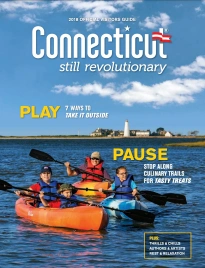
Connecticut often serves as the gateway to New England, providing a diverse array of experiences within a compact footprint. Travelers find themselves moving from sandy shorelines to dense forests in less than an hour. The state balances its rich colonial history with modern cultural movements, creating an environment where 18th-century architecture stands alongside contemporary art galleries. Whether seeking a quiet retreat in the countryside or a lively weekend in a bustling city, the variety found here caters to every type of visitor looking for quality and substance. This region is particularly known for its accessibility, allowing for multi-city exploration without the stress of long-distance travel.
Navigating the state requires an appreciation for small-town charm and sophisticated amenities. Each region offers a distinct personality, from the maritime legacy of the shoreline to the artistic enclaves of the river valleys. Understanding the layout of these areas helps in planning a trip that maximizes time spent exploring rather than commuting. This approach ensures a deeper connection with the local culture and the natural beauty that defines the region. From the rolling hills of the northwest to the vibrant sound-side communities, the Nutmeg State delivers a layered experience for those willing to explore its many facets.
Exploring the Coastal Charm and Inland Wonders of Connecticut
The journey through Connecticut often begins along the coast, where the influence of the Long Island Sound is felt in every town. Coastal Connecticut is not just about beaches; it is a collection of historic ports that once served as the backbone of American maritime trade. Today, these areas offer a mix of leisure and education, making them ideal for families and solo travelers alike. The contrast between the salty air of the south and the crisp mountain breezes of the north provides a refreshing change of pace for anyone touring the area.
The Maritime Heritage of Mystic and Stonington
Mystic is arguably the most recognizable destination in the state. It serves as a living museum of maritime history. The Mystic Seaport Museum is a primary attraction, featuring a recreated 19th-century seafaring village and the Charles W. Morgan, the last wooden whaling ship in the world. Visitors can observe traditional crafts like blacksmithing and coopering, providing a tangible link to the past. The interactive nature of the exhibits ensures that history feels alive rather than static.
Just a short drive away, the Mystic Aquarium offers a look into marine biology, housing beluga whales and African penguins. The surrounding area of Stonington Borough provides a quieter, more residential feel with narrow streets lined with 18th and 19th-century homes. This area is perfect for those who enjoy walking tours and discovering local boutiques that offer handmade goods rather than mass-produced items. The blend of educational facilities and scenic beauty makes the southeastern corner of the state a foundational part of any visit.
New Haven: A Hub of Education and Pizza
Moving west along the coast leads to New Haven, a city that thrives on the energy of Yale University. The campus itself is a destination, with Gothic Revival architecture that rivals European landmarks. The Yale University Art Gallery and the Yale Center for British Art are world-class institutions that are free to the public, offering access to rare masterpieces. Walking through the campus greens provides a sense of the intellectual history that has shaped the city for centuries.
Beyond academia, New Haven is globally recognized for its unique style of pizza, known locally as apizza. This thin-crust, coal-fired specialty has a dedicated following. The historic establishments on Wooster Street continue to draw crowds who wait for a taste of the traditional tomato pie or the white clam pizza. The culinary scene extends beyond pizza, with a diverse range of international cuisines reflecting the city’s multicultural population. It is a city where high-brow culture and gritty, authentic street food coexist perfectly.
The Scenic Litchfield Hills and Northwest Highlands
Heading inland toward the northwest corner reveals a completely different landscape. The Litchfield Hills are characterized by rolling terrain, covered bridges, and quaint village greens. This region is a sanctuary for those who appreciate the outdoors and a slower pace of life. During the autumn months, the foliage here is among the most vibrant in New England, attracting photographers and nature enthusiasts from across the country.
- Kent Falls State Park: Features a series of cascading waterfalls and a steep hiking trail that offers panoramic views of the valley.
- The Housatonic River: A popular spot for fly fishing and kayaking, known for its clear waters and tranquil surroundings.
- Litchfield Historic District: Home to beautifully preserved colonial homes and the Tapping Reeve House, the site of the first law school in America.
- Lake Waramaug: Often cited as one of the most beautiful lakes in the state, perfect for a picnic or a scenic drive around its perimeter.
The small towns in this area, such as Kent, Cornwall, and Sharon, are hubs for antique shopping and local art galleries. Many artists have settled in this region, drawn by the natural light and the quietude of the hills. Visiting these towns feels like stepping back into a simpler time, where local general stores still serve as community meeting points. The commitment to land conservation in the Litchfield Hills has ensured that much of the area remains undeveloped, preserving the rural character that travelers find so appealing.
Hartford: History and Literature
The state capital, Hartford, offers a deep look into American literary and political history. The Mark Twain House & Museum is a standout site, where Samuel Clemens wrote many of his most famous works. The high Victorian Gothic architecture of the house is a marvel in itself. Adjacent to it is the Harriet Beecher Stowe Center, which explores the life and impact of the author of Uncle Tom’s Cabin. Together, these sites provide a powerful narrative of the social and literary movements of the 19th century.
Hartford is also home to the Wadsworth Atheneum Museum of Art, the oldest continuously operating public art museum in the United States. Its collection is vast, ranging from European masters to contemporary American works. For those interested in governance, the Connecticut State Capitol with its distinctive gold leaf dome is open for tours. The city serves as a reminder of the state’s central role in the industrial and intellectual development of the nation.
Practical Tips for Your Connecticut Visit
Timing a visit to Connecticut depends largely on desired activities. Spring brings blooming gardens and the famous Cherry Blossom Festival in New Haven’s Wooster Square. Summer is ideal for the shoreline and outdoor music festivals. Fall is the peak season for foliage tours and apple picking, while winter offers cozy stays in historic inns and ice skating in city centers. The state experiences four distinct seasons, each offering a unique perspective on the landscape.
Getting Around the State
While some cities like New Haven and Stamford are well-connected by the Metro-North Railroad, a car is generally necessary to explore the rural areas and coastal towns. The Merritt Parkway is one of the most scenic drives in the country, known for its unique bridges and lack of commercial vehicles. Travelers should be mindful of traffic patterns, especially on the I-95 corridor during peak hours. Planning routes through the backroads often results in a more pleasant and visually rewarding journey.
- Pack for variability: Even in summer, evenings near the water can be cool.
- Check local calendars: Many towns host seasonal fairs and farmers’ markets that are worth a detour.
- Reservations: Popular dining spots in Mystic or New Haven often require booking in advance, especially on weekends.
For those looking for a comprehensive resource to plan their journey, consulting a detailed Connecticut Travel Guide will provide specific itineraries and up-to-date information on local events and seasonal openings.