

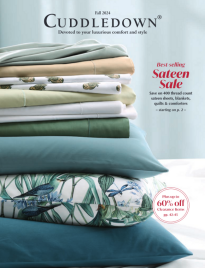
Finding the right bedding often feels like a balancing act between comfort and durability. Many homeowners search for pieces that provide a hotel-like experience while standing up to years of regular use. The Cuddledown Catalog serves as a comprehensive resource for those looking to upgrade their sleep environment with high-quality materials. From the weight of a comforter to the specific weave of a bedsheet, every detail plays a role in how well a person rests at night. This guide explores the various options available and how to select items that match specific sleep preferences and seasonal needs.
Quality sleep is an investment in overall health, and the materials used in bedding are the foundation of that investment. Using natural fibers and high-fill-power down can significantly change the temperature regulation and tactile feel of a bed. By understanding the differences between materials like Egyptian cotton and synthetic alternatives, shoppers can make informed decisions that lead to better rest. The following sections break down the essential components of a luxury bedding setup, providing practical advice for creating a comfortable home sanctuary.
Maximizing Comfort with High-Performance Down and Fill Power
When looking through a luxury bedding selection, down comforters often take center stage. Down is prized for its ability to provide warmth without adding excessive weight. However, not all down is created equal. The primary metric used to measure quality is fill power. This number represents the volume that one ounce of down occupies. A higher fill power means the down clusters are larger and stronger, allowing them to trap more air and provide better insulation. For those who want a loftier look and feel, a higher fill power is usually the preferred choice.
European down is frequently cited as a gold standard in the industry. It is known for its purity and resilience. Many people find that a comforter with a fill power of 600 to 800 offers the perfect balance of warmth for year-round use. If someone lives in a colder climate, they might look for something even higher. The goal is to find a piece that allows for breathability so that the sleeper does not overheat during the night. The construction of the comforter also matters. Box-stitch or baffle-box designs help keep the down evenly distributed, preventing cold spots and ensuring the warmth remains consistent across the entire bed.
Understanding Synthetic Down Alternatives
While natural down is highly sought after, synthetic alternatives have made significant strides in recent years. These options are often preferred by individuals with specific sensitivities or those looking for a more budget-friendly entry into high-end bedding. High-quality synthetic fills mimic the loft and warmth of natural clusters. They are generally easier to wash and dry at home, which is a practical benefit for busy households. When browsing the Cuddledown Catalog, shoppers will notice that synthetic options are categorized by warmth level, just like their natural counterparts, making it easy to find a suitable match.
The Role of Fabric Weave in Sleep Quality
The fabric that touches the skin is just as important as the filling inside a comforter. The two most common weaves found in premium sheets are percale and sateen. Each offers a distinct sensation and serves different purposes. Percale is a plain weave that results in a matte finish and a crisp, cool feel. It is often compared to a freshly laundered button-down shirt. This weave is highly breathable, making it the ideal choice for hot sleepers or for use during the summer months. It tends to get softer with every wash, maintaining its structure for a long time.
On the other hand, sateen features a different weaving pattern that exposes more of the thread surface. This creates a subtle sheen and a silky, smooth texture. Sateen is generally heavier than percale and drapes more closely to the body. It provides a bit more warmth, which is why many people switch to sateen sheets during the autumn and winter. Beyond these two, materials like linen and flannel offer even more variety. Linen is famous for its moisture-wicking properties and rustic look, while flannel provides a fuzzy, insulating layer that is perfect for freezing nights. Choosing the right fabric involves considering personal temperature preferences and the local climate.
Debunking the Thread Count Myth
For a long time, thread count was marketed as the only indicator of quality. However, a higher number does not always mean a better sheet. Once a thread count goes beyond a certain point, manufacturers may use multi-ply yarns or thinner threads to inflate the number without actually improving the feel or durability. A thread count between 300 and 500 is often the sweet spot for cotton sheets. At this level, the fabric is strong, soft, and breathable. It is more important to look at the quality of the cotton itself, such as long-staple or extra-long-staple cotton, which results in fewer loose ends and a smoother finish that resists pilling over time.
Creating a Layered Bedding System for Every Season
A versatile bedroom setup relies on layering. Instead of having one heavy blanket, using multiple layers allows for easy adjustments throughout the night. A typical setup might include a moisture-wicking mattress pad, a set of high-quality sheets, a light blanket, and a comforter or duvet. During transitional seasons like spring and fall, a person can simply pull back the duvet if they get too warm. This approach also adds visual depth to the room, making the bed look more inviting and plush.
Accessories like pillows and throws also play a functional role. Pillows should be chosen based on sleep position. Side sleepers usually need a firmer, thicker pillow to keep the neck aligned, while stomach sleepers often prefer something softer and flatter. The Cuddledown Catalog provides various densities of pillows, from soft down to firm foam, ensuring that every type of sleeper can find support. Adding a decorative throw at the foot of the bed provides an extra layer of warmth that can be easily grabbed during a nap or a cold morning.
- Wash bedding regularly: Sheets should be laundered once a week in warm water to remove oils and skin cells.
- Use a duvet cover: This protects the comforter from stains and wear, extending its lifespan significantly.
- Fluff down products daily: A quick shake helps redistribute the fill and maintain the loft.
- Avoid harsh chemicals: Use mild detergents to preserve the integrity of natural fibers and down clusters.
- Dry thoroughly: When washing down items, ensure they are completely dry to prevent clumping or odors.
Enhancing the Home Environment Beyond the Bedroom
While bedding is the primary focus, the principles of quality and comfort extend to other areas of the home. High-end towels and bathrobes can turn a daily routine into a spa-like experience. Look for towels made from Turkish or Egyptian cotton, as these fibers are exceptionally absorbent and become softer over time. The weight of a towel, measured in grams per square meter (GSM), indicates its thickness. A GSM of 600 to 900 provides that heavy, luxurious feel that many people enjoy after a shower.
Loungewear is another category where fabric choice makes a huge difference. Breathable cotton robes or silk pajamas provide comfort during evening hours. Investing in these items ensures that the transition from a busy day to a restful night is as smooth as possible. By selecting pieces that prioritize both function and feel, homeowners can create a cohesive environment that promotes relaxation and well-being in every room. Exploring the full range of options in the Cuddledown Catalog is a great way to start building a more comfortable and beautiful home today.