

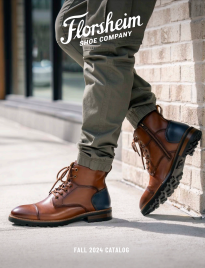
Finding the right pair of shoes involves balancing aesthetics with physical comfort. A well-organized selection makes this process much simpler, allowing individuals to identify pieces that complement their existing wardrobe while meeting the demands of their daily schedule. Whether preparing for a formal event or seeking reliable footwear for the office, understanding the nuances of different styles ensures a choice that provides long-term satisfaction and utility.
Modern footwear choices have evolved to bridge the gap between rigid formality and overly casual designs. High-quality materials and thoughtful construction are the hallmarks of a collection that prioritizes the wearer’s experience. By exploring a diverse range of options, one can find the perfect intersection of sophisticated design and everyday practicality, ensuring that every step taken is supported by craftsmanship and timeless style.
Essential Footwear Styles for the Modern Professional
The foundation of any professional wardrobe begins with a solid understanding of dress shoe categories. The Oxford remains the gold standard for formal occasions, characterized by its closed lacing system where the eyelet tabs are sewn under the vamp. This creates a sleek, streamlined silhouette that pairs perfectly with tailored suits. For those who require a slightly more flexible fit, the Derby offers an open lacing system. This design allows for more adjustment across the instep, making it a favorite for individuals with higher arches or those who prefer a less restrictive feel during long workdays.
Loafers represent the ultimate in convenience without sacrificing sophistication. These slip-on options have moved beyond casual weekend wear to become staples in business-casual environments. Penny loafers provide a classic look, while tassel loafers add a touch of personality to an ensemble. The beauty of these styles lies in their versatility; they transition effortlessly from a morning meeting to an evening social gathering. When selecting from a variety of options, look for genuine leather uppers that will mold to the shape of the foot over time, providing a customized fit that synthetic materials simply cannot replicate.
The Rise of the Dress Hybrid
In recent years, the distinction between athletic comfort and dressy appearance has blurred. This has led to the popularity of hybrid shoes that feature traditional leather uppers paired with lightweight, flexible outsoles. These models often incorporate memory foam footbeds to provide cushioning similar to a running shoe while maintaining the external appearance of a professional oxford or wingtip. This innovation is particularly beneficial for commuters or professionals who spend a significant portion of their day on their feet, offering a solution that supports foot health without compromising on professional standards.
Material Excellence and Construction Techniques
The longevity of footwear is directly tied to the quality of the materials used and the methods employed during assembly. Full-grain leather is widely regarded as the highest quality, as it retains the natural grain of the hide, leading to superior durability and the development of a beautiful patina over time. Suede offers a softer, more textured alternative that works well in less formal settings or during the autumn months. Understanding these differences helps in selecting the right shoe for specific environments and weather conditions.
Construction methods also play a vital role in the value of a shoe. Goodyear welted construction is a traditional technique where a strip of leather is sewn around the perimeter of the shoe, allowing the sole to be replaced multiple times. This extends the life of the footwear significantly, making it a sustainable choice for those looking to invest in their wardrobe. Other methods, like the Blake stitch, offer a lighter and more flexible feel, which is often preferred for summer weight shoes or sleek Italian-style designs. Each method has its benefits, and choosing between them depends on whether the priority is maximum durability or immediate out-of-the-box flexibility.
Maintaining Your Footwear Investment
To ensure that high-quality shoes remain in top condition, a consistent maintenance routine is necessary. Leather is a natural material that can dry out and crack if not properly conditioned. Using a cream or wax-based polish not only restores color but also provides a protective barrier against moisture and salt. It is also advisable to rotate shoes, giving them at least twenty-four hours to air out between wears. This practice prevents moisture buildup within the lining, which can lead to odors and premature degradation of the internal structure.
- Use shoe trees made of cedar to maintain the shape and absorb moisture.
- Clean off dirt and debris with a soft brush after every use.
- Apply a water-repellent spray to suede items before the first wear.
- Replace heel taps and soles before they wear down to the midsole.
Versatility for Every Occasion
A comprehensive collection should include options for various social and professional scenarios. While black oxfords are essential for weddings and formal business, shades of brown offer much more flexibility. Dark chili or cognac tones can be paired with navy, grey, or charcoal trousers, making them a highly functional addition to any closet. For more relaxed environments, consider versatile loafers in navy or tan suede, which pair excellently with chinos or even dark denim for a polished yet approachable look.
Boots have also become a significant part of modern professional attire. Chukka boots, with their simple two or three-eyelet design, provide a clean look that works well with both suits and casual wear. Chelsea boots, featuring elastic side panels, offer a sleek silhouette that has become a favorite in urban environments. These styles provide extra ankle support and protection during cooler months while maintaining a high level of sartorial elegance. Selecting the proper fit in a boot is crucial, as the lack of laces in some styles means the heel must sit securely without slipping.
Selecting the Right Size and Width
One of the most overlooked aspects of shoe shopping is ensuring the correct width. Many people wear shoes that are too narrow, leading to discomfort and long-term foot issues. Quality collections often provide multiple width options, ranging from narrow to extra-wide. When trying on new shoes, it is best to do so in the afternoon when feet are slightly larger. There should be a small amount of space between the longest toe and the end of the shoe, and the widest part of the foot should align with the widest part of the shoe’s sole.
- Measure both feet, as one is often slightly larger than the other.
- Wear the type of socks you intend to use with the specific shoe style.
- Walk on a carpeted surface to test for any pinching or rubbing.
- Check that the arch of the shoe aligns with your natural arch.
Final Considerations for Your Collection
Building a reliable set of footwear does not happen overnight. It requires careful selection and a focus on quality over quantity. By choosing styles that offer both aesthetic appeal and functional comfort, you create a foundation that serves you well in any situation. Investing in well-made shoes pays dividends in both your appearance and your physical well-being. For those ready to explore a wide array of options, browsing a detailed Florsheim Shoes Catalog provides a great starting point for finding the next essential addition to your wardrobe.