

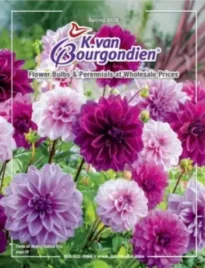
Planning a garden requires a mix of foresight and reliable resources. For those who take pride in their outdoor spaces, finding the right source for plants is a significant step toward success. The arrival of a well-regarded horticultural guide often marks the beginning of a new season. It provides a way to visualize how different textures and colors will interact in the soil. Choosing specific varieties of flora allows for a personalized touch that transforms a basic backyard into a thriving environment for both the owner and local wildlife. High-quality selections ensure that the effort put into planting yields the best possible results.
Establishing a successful garden is not just about the act of planting but about the quality of the materials used. Gardeners often look for established sources that offer a wide range of options, from traditional favorites to more unique, hard-to-find specimens. Having access to a broad selection helps in creating a space that feels both cohesive and distinct. This approach to gardening emphasizes long-term growth and the seasonal transitions that make a landscape truly dynamic throughout the calendar year.
Enhancing Gardens with Seasonal Bulb Selections
The process of selecting high-quality bulbs begins long before the first shovel hits the dirt. Many enthusiasts spend the quieter months of winter or late summer browsing through the options available in the K. Van Bourgondien Catalog to find the perfect additions for their beds and borders. This preparation is key because it allows for an understanding of bloom times, height requirements, and color palettes. By coordinating these factors, a gardener can ensure that as one variety finishes its display, another is ready to take its place, maintaining visual interest for several months.
When looking at spring-blooming options, the diversity is impressive. From the early-season snowdrops that brave the cold to the late-blooming alliums that stand tall in the early summer sun, the choices are vast. Each bulb contains the energy needed for its first season of growth, which is why the physical condition of the bulb is so important. Healthy bulbs should feel firm and heavy for their size, indicating they are well-hydrated and ready to establish a strong root system once they are placed in the ground.
The Significance of Dutch Bulb Varieties
There is a long-standing tradition associated with Dutch bulbs, as the Netherlands has been the epicenter of bulb cultivation for centuries. This expertise translates into varieties that are bred for strength, color intensity, and disease resistance. When these bulbs are integrated into a domestic garden, they bring a level of reliability that is highly valued. Whether it is a classic tulip with a sturdy stem or a fragrant hyacinth that fills the air with a sweet scent, these plants have been refined over generations to perform consistently in various climates.
- Tulips: Available in numerous forms including single, double, and parrot varieties.
- Narcissus: Known for their deer resistance and ability to naturalize over time.
- Crocus: One of the earliest signs of spring, often appearing through the snow.
- Hyacinths: Prized for their intense fragrance and dense flower spikes.
Understanding the specific needs of these bulbs is crucial. Most prefer a sunny location with soil that provides excellent drainage. During the dormancy period, the bulbs are not merely inactive; they are developing the internal structures necessary for the next flowering cycle. This is why proper planting depth and soil health are emphasized in gardening guides. A bulb planted too shallow may be susceptible to temperature fluctuations or pests, while one planted too deep might struggle to reach the surface.
Designing a Sustainable Perennial Garden
While bulbs provide bursts of color, a perennial garden forms the backbone of the landscape. Perennials are plants that live for more than two years, returning each season with increased vigor. Incorporating these into a garden plan ensures that the space has structure even when the bulbs have finished their bloom. The K. Van Bourgondien Catalog offers a variety of perennials that complement bulb displays, such as hostas, peonies, and daylilies. These plants often provide interesting foliage that hides the yellowing leaves of spent bulbs, a common challenge in garden maintenance.
Strategic planning involves looking at the growth habits of different perennials. Some varieties, like creeping phlox, act as a living mulch, covering the ground and suppressing weeds. Others, like the majestic delphinium, provide vertical interest. By mixing different heights and textures, a gardener can create a sense of depth. It is also beneficial to consider pollinator-friendly plants. Many perennials attract bees, butterflies, and hummingbirds, which are vital for a healthy ecosystem. Choosing plants that bloom at different times ensures that these pollinators have a consistent food source throughout the growing season.
Effective Soil Preparation and Maintenance
The foundation of any successful garden is the soil. Before any planting begins, soil preparation should be a priority. This often involves testing the pH levels and adding organic matter like compost or well-rotted manure. Improving the soil structure helps with moisture retention while still allowing excess water to drain away. This balance is particularly important for bulbs, which can rot if they sit in waterlogged earth for too long. Adding a slow-release fertilizer at the time of planting can also provide the necessary nutrients for the first year of growth.
- Test the soil to determine nutrient needs and pH balance.
- Amend heavy clay or sandy soils with organic compost.
- Ensure the planting site receives at least six hours of sunlight for most varieties.
- Apply a layer of mulch to regulate soil temperature and retain moisture.
Ongoing maintenance is relatively simple once the plants are established. For many spring-blooming varieties, it is important to leave the foliage intact after the flowers have faded. The leaves continue to photosynthesize, sending energy back down into the bulb for the following year. Once the foliage has turned yellow or brown and pulls away easily from the ground, it can be removed. For perennials, deadheading or removing spent flowers can often encourage a second flush of blooms and keeps the plant looking tidy throughout the summer.
Advanced Techniques for Garden Visuals
For those looking to take their gardening to the next level, layered planting is an effective technique. This involves planting bulbs at different depths in the same hole or area. For example, larger bulbs like daffodils can be planted deeper, with smaller bulbs like grape hyacinths placed on top. This results in a dense, multi-layered display of flowers in a small space. This method is particularly useful for container gardening or small urban plots where space is at a premium.
Another popular approach is naturalizing bulbs. This involves planting bulbs in a less formal way, such as in a lawn or under a canopy of trees, to mimic how they would grow in the wild. Varieties like Siberian squill or certain types of narcissus are excellent for this. Over time, these bulbs will multiply and spread, creating a beautiful, effortless look. It requires a bit of patience, as the area should not be mowed until the bulb foliage has naturally died back, but the long-term result is a stunning carpet of color that returns year after year with very little intervention.
In conclusion, the journey of creating a vibrant and healthy garden is made much easier with the right information and sourcing. By utilizing the extensive options and expert advice found in a trusted resource, gardeners can make informed decisions that lead to a flourishing outdoor space. Whether one is a seasoned expert or just starting their first flower bed, the variety of plants available ensures there is always something new to discover. For those ready to start their next project, a great place to find inspiration and quality plants is the K. Van Bourgondien Catalog.