

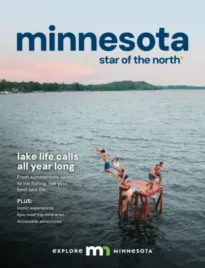
Minnesota offers a unique blend of urban sophistication and rugged wilderness. Known as the Land of 10,000 Lakes, the state actually boasts nearly 12,000 bodies of water, providing endless opportunities for boating, fishing, and lakeside relaxation. Beyond the water, visitors find a thriving arts scene, professional sports, and a culinary landscape that rivals major coastal cities. Whether planning a weekend getaway or a month-long road trip, understanding the distinct regions of this state is the first step toward a memorable journey through the Upper Midwest.
Navigating such a vast area requires a focused approach that considers both geography and seasonal shifts. This guide highlights the must-see locations and hidden gems that define the local experience. From the historic bluffs of the Mississippi River to the ancient forests of the northern border, every corner of the state tells a story of natural resilience and cultural evolution. Preparing for variable weather and diverse activities ensures that every traveler finds exactly what they are looking for in this vibrant northern destination.
Beyond the Lakes: Discovering Minnesota’s Diverse Landscapes
While the water defines much of the geography, the state is characterized by a surprising variety of terrain. In the south, fertile farmland and rolling hills give way to the dramatic river bluffs of the Driftless Area. Moving north, the prairie transitions into dense hardwood forests, which eventually become the iconic pine-filled woods of the boreal region. This ecological diversity means that a single trip can include everything from rock climbing on ancient basalt cliffs to hiking through quiet, wildflower-filled meadows.
The Urban Heart: Exploring the Twin Cities
The Twin Cities of Minneapolis and St. Paul serve as the cultural and economic hub of the region. Minneapolis is known for its modern skyline, the expansive Chain of Lakes, and a world-renowned arts community. The Walker Art Center and its adjacent Minneapolis Sculpture Garden are essential stops for any art enthusiast. Meanwhile, St. Paul offers a more historic feel, with the grand architecture of Summit Avenue and the imposing presence of the State Capitol building. Together, these cities provide a dense collection of museums, theaters, and professional sports venues that keep the metro area buzzing year-round.
Food enthusiasts will find a diverse array of options in the metro area. The region has gained national attention for its innovative chefs who emphasize local ingredients. From the bustling stalls of the Midtown Global Market to the high-end eateries in the North Loop, the culinary scene reflects the diverse population of the state. Additionally, the Mall of America in nearby Bloomington remains one of the most visited tourist destinations in the country, featuring hundreds of stores, an indoor theme park, and a massive aquarium, making it a staple of any comprehensive travel plan.
The North Shore Scenic Drive
For those seeking natural beauty, the North Shore of Lake Superior is an unparalleled destination. Starting in Duluth, a city famous for its aerial lift bridge and busy shipping port, Highway 61 winds along the rugged coastline of the world’s largest freshwater lake. This drive is dotted with state parks, each offering unique features like the cascading waterfalls at Gooseberry Falls or the high cliffs at Tettegouche State Park. The Lake Superior shoreline provides a sense of scale that feels more like an ocean than a lake, with waves crashing against volcanic rock formations.
The small town of Grand Marais serves as a perfect base for exploring the northernmost reaches of the shore. This artistic community is nestled between the lake and the Sawtooth Mountains, offering a gateway to both the water and the inland forests. Visitors can enjoy local smoked fish, browse galleries featuring regional artists, or embark on a hiking trip along the Superior Hiking Trail. The area is also home to the Split Rock Lighthouse, a historic beacon that stands atop a sheer cliff and offers some of the most photographed views in the Midwest.
Wilderness Adventures and National Treasures
Minnesota is home to some of the most protected and pristine wilderness areas in the United States. The Boundary Waters Canoe Area Wilderness (BWCAW) covers over a million acres of forests and lakes within the Superior National Forest. This area is strictly regulated to maintain its primitive character, meaning no motors are allowed in most sections. Travelers come here for multi-day paddling trips, seeking the solitude that can only be found by portaging canoes between remote lakes and camping under the stars. It is one of the premier locations in the country for seeing the Northern Lights during the winter months.
Further west lies Voyageurs National Park, a water-based park that celebrates the history of the fur trade. Unlike the BWCAW, Voyageurs allows motorized boats, making it a popular spot for houseboating and guided fishing tours. The park is a maze of interconnected waterways and islands, providing a habitat for bald eagles, loons, and timber wolves. Exploring these northern reaches requires preparation, but the reward is an intimate connection with a landscape that has remained largely unchanged for centuries.
- Itasca State Park: Visit the headwaters of the Mississippi River and walk across the water where it begins its long journey to the Gulf of Mexico.
- Boundary Waters: Experience world-class canoeing and remote wilderness camping.
- Voyageurs National Park: Explore a unique water-based national park by boat or kayak.
- Pipestone National Monument: Learn about the sacred traditions of Native Americans who have quarried stone here for generations.
- Great River Road: Follow the scenic route along the Mississippi River through charming river towns like Red Wing and Winona.
Small Town Charm and Historical Sites
Beyond the major cities and wilderness areas, the state is filled with small towns that offer a glimpse into the local heritage. Stillwater, located on the St. Croix River, is often called the birthplace of the state and features a well-preserved historic downtown filled with antique shops and bed and breakfasts. Red Wing is another notable river town, famous for its pottery and iconic boot-making history. These communities provide a slower pace of life and a chance to experience the hospitality that the region is known for.
History buffs will also appreciate locations like the Jeffers Petroglyphs in the southwest, where thousands of ancient carvings are etched into the red rock. In the north, the Iron Range offers a look into the industrial history that shaped the state’s economy, with massive open-pit mines and museums dedicated to the lives of the miners. These sites provide essential context for understanding how the state evolved from a frontier territory into a modern industrial and cultural powerhouse.
Whether you are looking for the excitement of a professional football game or the quiet of a pine forest at dawn, this state delivers an incredible variety of experiences. The changing seasons bring new opportunities, from summer lake days to winter snowshoeing and skiing. By following this Minnesota Travel Guide, travelers can navigate the vast options available and create an itinerary that captures the true essence of the North Star State.