

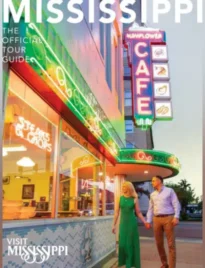
Mississippi offers a unique blend of history, music, and natural beauty that captures the essence of the American South. From the fertile soil of the Delta to the sandy shores of the Gulf, the state invites exploration at every turn. Travelers often find themselves drawn to the legendary birthplace of the blues or the winding paths of ancient trails. There is a sense of timelessness here, where the past informs the present through preserved architecture and deep-seated traditions. Each region provides a distinct experience, ensuring that every visitor finds something that resonates with their interests, from outdoor adventures to culinary discoveries.
Planning a journey through this diverse landscape requires an understanding of the local rhythms and seasons. Whether seeking the quiet solitude of a riverside town or the energetic atmosphere of a college campus, visitors can expect a warm welcome. This guide highlights the primary attractions and provides insights into the cultural nuances that make the state a compelling destination. By focusing on authentic experiences and Southern hospitality, travelers can better appreciate the depth and variety found within these borders. The following sections explore the must-see locations and the rich cultural fabric that defines this part of the country.
Discovering the Cultural Heart of the Magnolia State
The Mississippi Delta is frequently referred to as the most southern place on earth. It is a region defined by its vast agricultural fields and its profound impact on global music. As the birthplace of the blues, the Delta is home to numerous markers along the Mississippi Blues Trail, which guides visitors through the lives of legends like B.B. King and Robert Johnson. In Clarksdale, the Ground Zero Blues Club and the Delta Blues Museum offer deep insights into how the struggles and triumphs of the local population transformed into a genre that changed the world. Walking through these towns, one can almost hear the echoes of slide guitars and soulful vocals that once filled the air in rural juke joints.
The Rich Legacy of the Mississippi River
The Mississippi River has long been the lifeblood of the state, serving as a primary artery for trade and inspiration. Towns like Vicksburg and Natchez sit high on the bluffs overlooking the water, offering stunning views and a glimpse into the 19th-century riverboat era. In Vicksburg, the Vicksburg National Military Park provides a sobering and educational look at a pivotal moment in American history. The park features over a thousand monuments and the remains of the USS Cairo, an ironclad gunboat recovered from the river. This site is essential for anyone interested in the strategic importance of the river during the Civil War and the resilience of the people who lived through the siege.
Scenic Journeys Along the Natchez Trace
For those who prefer a slower pace, the Natchez Trace Parkway is one of the most beautiful drives in the United States. This 444-mile scenic drive follows an ancient path used by Native Americans, settlers, and traders. The parkway prohibits commercial vehicles, allowing for a peaceful journey through forests, wetlands, and rolling hills. Numerous pull-offs offer opportunities for hiking, birdwatching, and exploring historic sites like the Mount Locust Inn, one of the few remaining stands or inns that once served travelers on the original trail. The Trace connects the historic city of Natchez in the south to the musical hub of Nashville in the north, with plenty of Mississippi charm in between.
- Cypress Swamp: An elevated boardwalk through a hauntingly beautiful water forest near milepost 122.
- Tishomingo State Park: Located in the foothills of the Appalachian Mountains, offering unique rock formations and canoeing.
- Elvis Presley Birthplace: A modest two-room house in Tupelo where the King of Rock and Roll was born.
- Windsor Ruins: The towering stone columns of a once-grand antebellum mansion that burned down in 1890.
Exploring Oxford and the Literary Hills
Moving toward the northern part of the state, the town of Oxford stands as a beacon of literature and academic excellence. Home to the University of Mississippi, Oxford has been the residence of many famous writers, most notably William Faulkner. Visitors can tour Rowan Oak, Faulkner’s former home, where he wrote many of his Nobel Prize-winning works. The town square is a vibrant center of activity, featuring independent bookstores like Square Books and a variety of upscale dining options. The blend of intellectual energy and small-town charm makes Oxford a favorite stop for those seeking a more refined cultural experience in the Hills region.
The Coastal Charm of the Gulf Shore
The southern edge of the state meets the sparkling waters of the Gulf of Mexico, offering a completely different atmosphere from the Delta or the Hills. The Mississippi Gulf Coast is known for its white-sand beaches, world-class casinos, and fresh seafood. Biloxi and Gulfport serve as the primary hubs for entertainment, but smaller towns like Ocean Springs offer a more artistic and bohemian vibe. In Ocean Springs, the Walter Anderson Museum of Art celebrates the work of a local artist who drew inspiration from the natural beauty of the Gulf. The town’s walkable downtown is filled with galleries, boutiques, and cafes shaded by ancient live oaks draped in Spanish moss.
Nature enthusiasts will find plenty to do at the Gulf Islands National Seashore. This protected area includes several offshore islands accessible by ferry or private boat. Ship Island is a popular destination, featuring clear blue water and the historic Fort Massachusetts. These islands provide a sanctuary for wildlife and a perfect spot for swimming, sunbathing, and beachcombing away from the mainland crowds. The coastal region also boasts a thriving culinary scene, where the catch of the day is served in everything from casual seafood shacks to fine-dining establishments, highlighting the importance of the local fishing industry.
A Journey Through Sound and Flavor
No trip to the state is complete without experiencing its musical and culinary contributions. In Cleveland, the Grammy Museum Mississippi provides an interactive exploration of the state’s massive influence on the music industry. It is the only Grammy Museum located outside of Los Angeles, reflecting the sheer number of award-winning artists who hail from these parts. From country and gospel to rock and roll, the exhibits show how the local environment shaped the sounds that conquered the globe. It is a modern facility that complements the more rustic experiences found along the dusty roads of the Delta.
Food is another essential part of the local identity. The Tamale Trail in the Delta reveals a surprising history of Mexican and African American cultural exchange, resulting in a unique style of spicy, cornmeal-wrapped meat that is a local staple. Fried catfish, slow-cooked greens, and cornbread are found on tables across the state, representing a culinary tradition built on fresh, local ingredients and time-honored techniques. These meals are often shared in communal settings, reinforcing the social bonds that are so important in Southern life. Whether dining in a high-end Jackson restaurant or a roadside diner, the flavors are authentic and memorable.
As travelers conclude their journey through this remarkable state, they often leave with a deeper understanding of the complexities and beauties of the South. The combination of historic sites, natural wonders, and a vibrant arts scene ensures that every visit is filled with discovery. From the sun-drenched coast to the shadows of the Delta, there is always more to see and learn. For those ready to begin their own adventure, this Mississippi Travel Guide serves as a starting point for a truly enriching travel experience.