

Montana represents the raw, untouched beauty of the American West, offering a scale of landscape that few other places can match. Known as the Treasure State, it provides a sanctuary for those seeking silence among rugged peaks and crystal-clear rivers. From the jagged summits of the Rocky Mountains to the rolling plains of the east, the state invites exploration through its vast wilderness and welcoming small towns. Planning a trip here requires an understanding of the immense distances and the seasonal shifts that define the local way of life. Whether the goal is to witness the geothermal wonders of the south or the glacial carvings of the north, the experience remains grounded in natural wonder.
The allure of the region lies in its ability to offer both high-adrenaline adventure and quiet reflection. Travelers often find that the best moments occur away from the crowds, on a quiet trail at dawn or while watching the sunset over a prairie horizon. This guide serves to navigate the complexities of such a large geographic area, ensuring that every mile driven contributes to a meaningful journey. By focusing on authentic experiences and practical logistics, visitors can fully immerse themselves in the unique atmosphere that makes this part of the country so legendary for outdoor enthusiasts and families alike.
Unlocking the Big Sky: A Comprehensive Montana Travel Guide
Timing a visit to Montana is the first step in ensuring a successful trip. The state experiences four distinct seasons, each offering a different version of the landscape. Summer, spanning from late June to early September, is the most popular time for hiking and visiting National Parks. During these months, the high-altitude passes are clear of snow, and the long daylight hours allow for extended exploration. However, those who prefer solitude might look toward the shoulder seasons of May and October. While some services may be limited, the lack of crowds and the presence of vibrant spring greens or golden autumn larches provide a stunning backdrop for photography and wildlife viewing.
The Majesty of Glacier National Park
Located along the Canadian border, Glacier National Park is often referred to as the Crown of the Continent. The centerpiece of the park is the Going-to-the-Sun Road, a 50-mile engineering marvel that traverses the Continental Divide. Driving this route offers unparalleled views of glacial lakes and sheer cliffs. It is important to note that vehicle reservations are frequently required during peak season to manage traffic flow. Travelers should plan to stop at Logan Pass, the highest point reachable by car, where sightings of mountain goats and bighorn sheep are common along the nearby Hidden Lake Trail.
For those looking to step away from the pavement, the park boasts over 700 miles of hiking trails. The Highline Trail provides a dramatic walk along the Garden Wall, while the trek to Grinnell Glacier offers a firsthand look at the receding ice masses that gave the park its name. In the Many Glacier region, the scenery becomes even more rugged, with frequent sightings of grizzly bears foraging in the meadows. Safety is paramount in these areas; carrying bear spray and knowing how to use it is a non-negotiable requirement for any hiker entering the backcountry. The water in Lake McDonald, famous for its colorful submerged pebbles, provides a serene spot for kayaking or paddleboarding in the early morning mist.
Yellowstone: The Northern Gateway
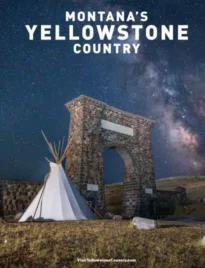
While much of Yellowstone National Park lies in Wyoming, Montana provides two of the most iconic entrances: Gardiner and West Yellowstone. The northern section of the park is renowned for the Lamar Valley, often called the American Serengeti due to its high concentration of wolves, elk, and massive bison herds. Entering through the historic Roosevelt Arch in Gardiner leads visitors directly to Mammoth Hot Springs. These travertine terraces, created by hot water bubbling through limestone, resemble frozen waterfalls and change colors based on the types of thermophilic bacteria present in the pools.
West Yellowstone serves as a hub for those looking to access the geyser basins. A short drive across the state line brings travelers to Old Faithful and the Grand Prismatic Spring. However, staying on the Montana side offers its own benefits, including world-class fly fishing on the Madison River and access to the Hebgen Lake area. The town of West Yellowstone itself is home to the Grizzly and Wolf Discovery Center, an educational facility where visitors can observe rescued animals and learn about the local ecosystem in a controlled environment. This area acts as a perfect base camp for multi-day excursions into the volcanic heart of the continent.
Cultural Hubs and Mountain Towns
Beyond the wilderness, Montana’s towns offer a blend of frontier history and modern amenities. Missoula, located at the confluence of three rivers, is a vibrant university town known for its literary roots and active arts scene. The downtown area is lined with independent bookstores and galleries, while the nearby Mount Sentinel offers a quick but steep hike to the famous M trail for a panoramic view of the valley. It serves as a gateway to the Bitterroot Valley, a region filled with historic homesteads and scenic drives along the Sapphire Mountains.
Bozeman has evolved into a sophisticated mountain destination, balancing its agricultural heritage with a growing tech industry. The Museum of the Rockies is a must-visit, housing one of the largest collections of dinosaur fossils in the world, including several Tyrannosaurus rex skeletons. To the south, the town of Big Sky offers premier skiing in the winter and mountain biking in the summer. The Gallatin River, which flows through the canyon between Bozeman and Big Sky, is famous for its technical whitewater rafting and blue-ribbon trout fishing, making it a central artery for outdoor recreation in the region.
- Whitefish: A charming town near Glacier National Park known for its ski resort and vibrant nightlife.
- Helena: The state capital, featuring stunning Victorian architecture and the historic Last Chance Gulch.
- Butte: Once the Richest Hill on Earth, this city offers a deep look into the mining history that shaped the West.
- Phillipsburg: A quaint spot famous for sapphire mining and an old-fashioned candy shop.
Practical Considerations for Your Journey
Transportation is perhaps the most critical logistical element of any Montana itinerary. Public transit is nearly non-existent outside of small town shuttles, making a rental car essential. During the summer months, rental availability can be scarce, so booking well in advance is highly recommended. For those visiting in winter, an all-wheel-drive vehicle with appropriate tires is necessary to navigate snowy mountain passes and icy rural roads. Major airports in Bozeman, Missoula, and Billings serve as the primary entry points, with seasonal flights often added from major hubs like Denver, Seattle, and Chicago.
Packing for the region requires a layered approach, as temperatures can swing 40 degrees in a single day. Even in July, evening temperatures in the mountains can drop near freezing. Quality rain gear, sturdy hiking boots, and sun protection are staples for any suitcase. Additionally, it is important to practice Leave No Trace principles. The increase in tourism has put pressure on the fragile ecosystems; staying on marked trails and properly disposing of waste ensures that these landscapes remain pristine for future generations. Respecting private property and local wildlife is not just a suggestion but a core part of the local culture.
Eastern Montana: The Big Open
While the western third of the state gets the most attention for its mountains, the eastern plains offer a different kind of beauty. This is the land of the Missouri River Breaks and the Makoshika State Park. The badlands formations near Glendive showcase prehistoric landscapes where dinosaur bones are still being discovered today. This region provides a sense of isolation and vastness that is increasingly rare. Driving the long stretches of highway through the prairie allows for a meditative experience, where the sky truly does feel larger than anywhere else. It is a place of deep history, from the Lewis and Clark expedition to the heritage of the many Native American tribes who have called this land home for millennia.
Exploring the various facets of the state provides a deep appreciation for the diversity of the American landscape. Whether standing on a high ridge in the Beartooth Mountains or watching the Missouri River flow through the plains, the sense of scale is humbling. Visitors should take the time to talk to locals, visit the small-town diners, and slow down to the pace of the mountains. By doing so, they find that the true value of the trip is not just in the photos taken, but in the connection felt with the natural world. For more detailed information on planning your specific route and discovering hidden spots, consult a reliable Montana Travel Guide.