

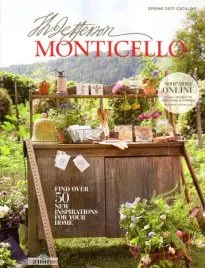
Finding a way to blend historical significance with modern living often leads enthusiasts to a specific resource known for its quality and educational value. The Monticello Catalog serves as a window into the lifestyle and intellect of Thomas Jefferson, offering a wide array of products that range from artisanal home decor to rare heirloom seeds. For those who appreciate the intersection of history, gardening, and fine craftsmanship, this collection provides more than just retail items. It offers a tangible connection to the past, allowing individuals to incorporate the aesthetic and functional principles that defined one of America’s most famous estates into their own homes and gardens.
The appeal of these offerings lies in their commitment to authenticity and preservation. Every item reflects a piece of the story of Monticello, whether it is a reproduction of a clock Jefferson designed or a variety of pea that he once grew in his extensive vegetable garden. By focusing on products that have a direct lineage to the estate, the catalog helps maintain historical traditions while supporting the ongoing preservation efforts of the Thomas Jefferson Foundation. This dual purpose makes every purchase a contribution to history.
Timeless Aesthetics for the Modern Home
Integrating historical design into a contemporary household requires a balance between old-world charm and modern utility. The Monticello Catalog excels in providing pieces that do not feel out of place in a 21st-century setting. From brass candlesticks that evoke the warmth of 18th-century evenings to meticulously crafted furniture inspired by Jefferson’s own inventions, the selection emphasizes durability and classic style. These items are often chosen for their ability to tell a story, serving as conversation pieces that reflect a deep appreciation for American heritage and the decorative arts.
Textiles also play a significant role in the catalog’s home collection. Table linens, throws, and pillows often feature patterns and colors found in the interior designs of the Monticello mansion. These elements allow homeowners to add a touch of elegance to their dining rooms or living areas without needing a full renovation. The focus remains on high-quality materials like linen, cotton, and wool, ensuring that the products are as functional as they are beautiful. This commitment to quality mirrors the high standards Jefferson held for his own residence, which remains a masterpiece of neoclassical architecture.
Jeffersonian Innovation in Everyday Objects
Thomas Jefferson was known for his restless intellect and his penchant for mechanical gadgets. This spirit of innovation is captured in the catalog through various reproductions of his designs. For example, the famous Great Clock and the polygraph (a letter-copying machine) are often referenced in the design of functional office accessories and timepieces. These objects are perfect for those who value both form and function, offering a glimpse into the mind of a man who was constantly looking for ways to improve efficiency and record-keeping.
Beyond large furniture pieces, the catalog includes smaller items like Jefferson-inspired stationery and writing instruments. In an era where digital communication is the norm, the act of writing a letter by hand with a quality pen on fine paper feels like a meaningful return to tradition. These products encourage a slower, more thoughtful approach to communication, much like the extensive correspondence Jefferson maintained throughout his life. By using these tools, people can find a sense of continuity with the intellectual habits of the past.
The Living Legacy of the Monticello Garden
Perhaps one of the most vital aspects of the Monticello Catalog is its extensive selection of seeds and garden accessories. Jefferson was an avid gardener who experimented with hundreds of varieties of fruits, vegetables, and flowers. Today, the catalog allows home gardeners to grow the same heirloom plants that once flourished on the mountaintop. This is not just about aesthetics; it is about biodiversity and the preservation of plant species that might otherwise be lost to history. Growing these plants provides a unique educational experience for gardeners of all skill levels.
- Heirloom Seeds: A wide variety of open-pollinated seeds, including the famous Tennis Ball Lettuce and various types of historic beans.
- Garden Tools: Durable tools designed for serious horticultural work, often inspired by traditional designs that have stood the test of time.
- Outdoor Decor: Birdhouses, weather vanes, and planters that reflect the landscape design principles seen at Monticello.
- Botanical Books: Resources that provide guidance on how to maintain a historic garden and the history of various plant species.
The garden collection also emphasizes the importance of sustainability. Heirloom plants are often more resilient and better adapted to local environments, making them a practical choice for the environmentally conscious gardener. By choosing these varieties, individuals help maintain the genetic diversity of our food and floral systems. The catalog provides detailed planting instructions and historical context for each variety, making it easy for anyone to start their own piece of history in a backyard or even a small balcony container garden.
Conservation Through Cultivation
The act of planting a seed from the Monticello collection is an act of conservation. Many of the varieties offered were once common but have been replaced by commercial hybrids in large-scale agriculture. By offering these seeds to the public, the catalog ensures that these unique flavors and hardy traits continue to exist. This effort connects the modern gardener to the agrarian ideals that Jefferson championed, highlighting the relationship between the land and the people who live on it.
In addition to seeds, the catalog offers high-quality garden ornaments that help define the structure of an outdoor space. Obelisks, trellises, and benches are designed to withstand the elements while providing a classic look. These structures help organize a garden, creating focal points and supporting climbing plants, much like the structures found in the winding flower borders and vegetable gardens of the original estate. They serve as a reminder that a garden is a place of both production and beauty.
Literature and Educational Resources
Education was a cornerstone of Jefferson’s philosophy, and the Monticello Catalog reflects this through its impressive collection of books and media. The selection includes biographies of Jefferson, deep dives into the history of the enslaved community at Monticello, and explorations of the American Revolution. These resources are essential for anyone looking to gain a deeper understanding of the complexities of American history. The catalog makes an effort to include diverse perspectives, ensuring that the story of Monticello is told in its entirety.
For younger readers, the catalog offers children’s books that introduce historical concepts in an engaging and accessible way. These books often focus on themes of invention, nature, and leadership, aiming to inspire the next generation of thinkers and citizens. By providing these educational tools, the catalog serves as more than a store; it acts as an extension of the museum’s mission to educate the public. Whether you are a student, a teacher, or a lifelong learner, these materials provide valuable insights into the foundations of the United States.
The Importance of Historical Context
Understanding the context in which Jefferson lived and worked is crucial for appreciating the items in the catalog. The books offered provide the necessary background to understand why certain designs were chosen or why specific plants were cultivated. This contextual knowledge enriches the experience of owning a reproduction or growing a historic flower. It transforms a simple object into a piece of a larger narrative, allowing the owner to feel like a steward of history. The catalog’s commitment to scholarship ensures that the information provided is accurate and thought-provoking.
Beyond books, the catalog often features maps, prints, and documents that provide visual insights into the past. Reproductions of early American maps or architectural drawings of the mansion allow for a closer look at the planning and vision that went into creating the estate. These items are perfect for framing and can add a sense of intellectual depth to any office or library. They serve as a constant reminder of the importance of geography, architecture, and planning in the development of a nation.
Quality and Craftsmanship as a Standard
One of the defining characteristics of the items found in the Monticello Catalog is the emphasis on craftsmanship. In a world of mass-produced goods, the items here stand out for their attention to detail and the use of traditional methods. Many of the products are made by artisans who specialize in historical techniques, ensuring that the final product is as close to the original as possible. This focus on quality means that these items are built to last, often becoming family heirlooms in their own right.
This dedication to quality extends to every category, from jewelry inspired by items in the Monticello collection to kitchenware used for traditional recipes. When a customer chooses an item from this catalog, they are investing in a product that has been vetted for its historical accuracy and its durability. This approach aligns with Jefferson’s own appreciation for fine craftsmanship and his belief that the objects we surround ourselves with should reflect our values and our aspirations. It is a philosophy that remains relevant today, as more people seek out meaningful and long-lasting products for their homes.
Ultimately, the catalog serves as a bridge between the past and the present. It allows the legacy of Monticello to live on in homes and gardens across the country, fostering a deeper connection to American history and the natural world. By choosing items that reflect the spirit of inquiry and the love of beauty that defined Jefferson’s life, individuals can create spaces that are both personally meaningful and historically significant. To explore the full range of these unique offerings and bring a piece of history into your own life, visit the Monticello Catalog.