

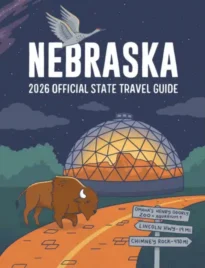
Nebraska often presents itself as a quiet stretch of the Great Plains, but those who take the time to explore its vast landscapes discover a state filled with unexpected beauty and rich historical significance. This Nebraska travel guide aims to showcase the diverse experiences available, from the rhythmic movement of the sand dunes to the bustling urban centers that anchor the state’s eastern edge. Travelers often find that the geographic variety here provides a perfect backdrop for road trips, outdoor adventures, and educational journeys through American history.
Beyond the endless horizons of corn and wheat, visitors can find rugged rock formations that served as vital landmarks for pioneers heading west. The state serves as a bridge between the industrial Midwest and the wilder reaches of the Mountain West, offering a unique cultural blend. Whether interest lies in world-class wildlife migrations or sophisticated culinary scenes, Nebraska provides a grounded and welcoming environment for every type of visitor.
Uncovering the Majestic Landscapes of the Great Plains
The heart of Nebraska is defined by the Sandhills, a region of grass-stabilized sand dunes that stretches across more than a quarter of the state. This area remains one of the most intact prairie ecosystems in the world, offering a sense of solitude and natural wonder that is rare in the modern age. Driving through the Sandhills on the Loup Rivers Scenic Byway allows for views of rolling hills that seem to change color with the shifting sun, providing endless opportunities for photography and quiet reflection.
Water plays a significant role in this arid-looking landscape. The Ogallala Aquifer sits just beneath the surface, feeding numerous lakes and rivers that support a surprising amount of biodiversity. This intersection of sand and water creates a habitat for hundreds of bird species, making it a premier destination for birdwatchers. The slow pace of life in this region encourages a deeper connection with the environment, far removed from the noise of metropolitan life.
Urban Energy in Omaha and Lincoln
Omaha, the state’s largest city, offers a sophisticated mix of history and modern entertainment. The Henry Doorly Zoo and Aquarium is consistently ranked among the best in the world, featuring massive indoor desert and rainforest environments. Visitors can spend an entire day exploring the various exhibits, which provide an immersive look at global ecosystems. After a day at the zoo, the Omaha Old Market provides a charming atmosphere with its cobblestone streets, local boutiques, and diverse dining options ranging from classic steakhouses to contemporary fusion restaurants.
Lincoln, the state capital, serves as the cultural and political hub. The Nebraska State Capitol is a masterpiece of art deco architecture, known as the ‘Tower of the Plains.’ Its visible silhouette can be seen from miles away, and the interior is adorned with intricate mosaics that tell the story of the state’s heritage. The Haymarket District in Lincoln is another highlight, where renovated warehouses now host vibrant cafes, galleries, and a thriving nightlife scene, particularly during the autumn months when the local university football team takes the field.
Reliving History Along the Pioneer Trails
Nebraska was the gateway to the West during the mid-19th century. Thousands of pioneers traveled across the state via the Oregon, California, and Mormon Trails. Today, travelers can follow these historic routes and see the same landmarks that guided early settlers. The Chimney Rock National Historic Site stands as perhaps the most iconic of these landmarks. This slender spire rises nearly 300 feet above the surrounding valley, serving as a beacon for those moving westward across the prairie.
Further west, Scotts Bluff National Monument offers dramatic cliffs that rise 800 feet above the North Platte River. These formations provided a much-needed landmark for pioneers and now offer hiking trails with panoramic views of the valley. Visiting these sites allows for a tangible connection to the past, where the deep ruts of wagon wheels are still visible in some locations, carved into the soft sandstone over a century ago.
Natural Recreation and River Adventures
For those seeking outdoor thrills, the Niobrara National Scenic River in northern Nebraska is a top destination. This river is famous for tanking—a uniquely Nebraskan activity where groups float down the calm waters in large livestock tanks. It is a relaxing way to view the lush canyon walls and the numerous waterfalls that spill into the river. Smith Falls State Park, located along the Niobrara, is home to the state’s highest waterfall, providing a cool retreat during the warm summer months.
- Stargazing at Merritt Reservoir, a designated International Dark Sky Park.
- Hiking the trails at Indian Cave State Park for views of the Missouri River.
- Exploring the unique formations at Toadstool Geologic Park.
- Visiting the Ashfall Fossil Beds to see prehistoric rhinos and horses preserved in volcanic ash.
The Spectacular Annual Crane Migration
Every spring, Nebraska hosts one of the greatest wildlife spectacles on Earth. Approximately half a million Sandhill Cranes descend upon the Platte River valley as they migrate north. This event draws nature enthusiasts from across the globe who come to witness the massive flocks taking flight at dawn and landing at dusk. The sound of thousands of cranes calling to each other is an experience that stays with visitors long after they leave.
Several viewing blinds and education centers, such as the Rowe Sanctuary and the Crane Trust, offer guided tours and viewing opportunities. This migration is a reminder of the state’s critical role in the natural world, providing a necessary stopover for birds traveling thousands of miles. It is a seasonal highlight that demonstrates the profound beauty of the Great Plains and the importance of conservation efforts in the region.
Quirky Roadside Attractions and Hidden Gems
Nebraska is also home to some of the most interesting roadside attractions in the United States. Carhenge, located near Alliance, is a quirky replica of England’s Stonehenge, constructed entirely out of vintage American automobiles painted gray. It has become a beloved stop for road trippers looking for something out of the ordinary. Similarly, the Golden Spike Tower in North Platte offers a view of the world’s largest rail yard, providing a fascinating look at the logistical backbone of the country.
- Strategic Air Command & Aerospace Museum near Ashland.
- The Museum of American Speed in Lincoln.
- The Great Platte River Road Archway Monument in Kearney.
- Buffalo Bill Ranch State Historical Park in North Platte.
Planning the Ideal Nebraska Excursion
The best time to visit Nebraska depends largely on the desired activities. Spring is ideal for witnessing the crane migration, while summer offers the best weather for river activities and exploring the Sandhills. Autumn brings cooler temperatures and beautiful foliage, especially along the Missouri River bluffs. Winters can be harsh, but they offer a quiet beauty and opportunities for indoor cultural exploration in the larger cities.
Transportation is primarily handled by car, as the state’s vastness is best navigated via its well-maintained highway system. Interstate 80 is the main artery connecting the east and west, but the scenic byways offer a more intimate look at the small towns and natural landmarks that define the state’s character. Local diners often serve regional favorites like the Runza—a savory meat and cabbage pastry—and the legendary Nebraska beef that is a staple of the local diet.
Taking the time to slow down and appreciate the subtle shifts in the landscape is the secret to a successful trip. From the fossil beds in the northwest to the vineyard-covered hills in the southeast, the state offers a depth of experience that rewards curious travelers. This Nebraska Travel Guide serves as a starting point for discovering the warmth, history, and natural splendor of the heartland.