

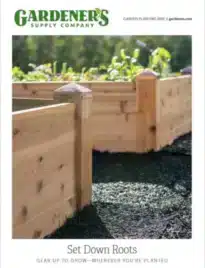
Finding the right tools for a thriving backyard often feels like a puzzle, but a well-organized resource makes the process much easier. High-quality gardening equipment transforms a difficult chore into a rewarding hobby. For those looking to improve their soil health, manage water more efficiently, or extend their growing season, having access to specialized gear is essential. A reliable catalog provides more than just a list of items; it offers solutions for common problems like pests, poor drainage, and limited space. By focusing on durable materials and innovative designs, gardeners can ensure their efforts lead to a bountiful harvest year after year.
Modern gardening involves more than just seeds and soil. It requires a strategic approach to infrastructure and maintenance. Whether you are a beginner starting with a single container or an experienced grower managing a large vegetable patch, the right supplies provide the foundation for success. From self-watering planters that take the guesswork out of hydration to sturdy supports that keep heavy tomato vines off the ground, these tools are built to handle the rigors of outdoor environments while making tasks more manageable for people of all skill levels.
Maximizing Yields with Innovative Garden Infrastructure
The backbone of any productive vegetable garden is the infrastructure that supports plant growth. Raised beds have become a staple for many because they offer superior control over soil quality and drainage. Instead of struggling with heavy clay or sandy earth, growers can fill these structures with a customized soil blend that provides the perfect balance of nutrients and aeration. This method also reduces the need for bending and kneeling, making gardening more accessible for everyone. Many modern raised beds now include integrated features like self-watering reservoirs, which ensure consistent moisture levels even during the hottest summer months.
Self-Watering Systems and Irrigation Efficiency
Water management is one of the most critical aspects of plant health. Overwatering can lead to root rot, while underwatering stresses plants and reduces fruit production. Self-watering containers solve this by using a sub-irrigation system. These units feature a water reservoir at the base, allowing plants to draw up moisture as needed through capillary action. This mimics natural groundwater movement and keeps the foliage dry, which helps prevent fungal diseases. For larger garden plots, drip irrigation kits and soaker hoses provide a targeted way to deliver water directly to the root zone, minimizing evaporation and waste.
- Consistent moisture levels reduce plant stress.
- Sub-irrigation keeps leaves dry and disease-free.
- Reservoirs allow for less frequent watering schedules.
- Drip systems save water by targeting the roots directly.
Essential Tools for Soil Health and Composting
Healthy plants start with healthy soil. Organic matter is the lifeblood of the garden, and creating your own compost is one of the most effective ways to build fertility. Composting converts kitchen scraps and yard waste into nutrient-rich humus that improves soil structure. Using a dedicated compost tumbler or bin makes this process faster and cleaner. Tumblers allow for easy aeration, which is necessary for the aerobic bacteria that break down organic material. By regularly turning the waste, gardeners can produce finished compost in just a few weeks, providing a free and sustainable source of fertilizer for their beds.
Managing Pests and Protecting Your Crops
Even the most experienced gardeners face challenges from insects and wildlife. Protecting the harvest requires a proactive strategy. Row covers and garden netting are effective physical barriers that keep out birds, cabbage worms, and deer without the need for harsh chemicals. Lightweight fabrics allow sunlight and rain to reach the plants while creating a microclimate that can protect tender seedlings from light frost. For those dealing with smaller invaders, organic solutions like neem oil or specialized traps can help manage populations without harming beneficial pollinators like bees and butterflies.
Starting Strong with Indoor Seed Supplies
For many, the gardening season begins long before the last frost. Starting seeds indoors allows for a much wider variety of plant choices than what is typically found at local nurseries. It also gives long-season crops, like peppers and eggplants, the head start they need to mature before autumn arrives. Success in seed starting depends on light, temperature, and moisture. Full-spectrum grow lights are vital for preventing seedlings from becoming leggy and weak. These lights provide the specific wavelengths of blue and red light that plants need for robust vegetative growth and strong stems.
Creating the Ideal Germination Environment
Temperature control is another key factor in successful germination. Heat mats placed under seed trays can raise the soil temperature by 10 to 20 degrees, which is often necessary for heat-loving tropical plants. Once the seeds sprout, maintaining humidity is important. Clear dome covers help trap moisture, creating a greenhouse effect that keeps the soil from drying out. Using high-quality seed starting mixes, which are lighter and more sterile than standard garden soil, ensures that delicate new roots can easily penetrate the medium and reduces the risk of damping-off disease.
- Grow lights prevent leggy, weak plant growth.
- Heat mats accelerate the germination of warm-season crops.
- Humidity domes maintain consistent moisture for sprouts.
- Sterile starting mixes protect young plants from pathogens.
Enhancing the Garden Aesthetic with Functional Supports
A well-organized garden is not only more productive but also more visually appealing. Vertical gardening is a great way to save space and keep the garden looking tidy. Trellises, obelisks, and cages provide the necessary support for climbing plants like peas, beans, and flowering vines. These structures encourage upward growth, which improves air circulation around the plants and makes harvesting much easier. Using powder-coated steel or naturally rot-resistant wood ensures that these supports will last for many seasons, providing a reliable framework for your climbing vegetables and flowers.
In addition to vertical supports, decorative elements like garden edging and path markers help define different areas of the yard. This organization makes maintenance tasks like mowing and weeding simpler. Investing in high-quality hand tools, such as ergonomic trowels and sharp pruning shears, also makes a significant difference in the daily experience of gardening. Tools designed with comfort in mind reduce hand fatigue, allowing for longer sessions in the dirt. When you have the right equipment on hand, every task becomes more efficient and enjoyable. To find the best tools and resources for your next project, take a look at the Gardener’s Supply Catalog.