

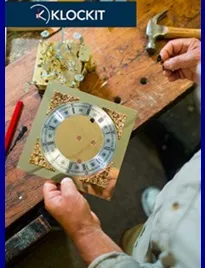
For those who appreciate the steady rhythm of a ticking clock, finding the right parts is essential for any project. The Klockit catalog serves as a comprehensive resource for hobbyists and professionals alike who are interested in the art of clock making. Whether someone is looking to repair a family heirloom or build a completely new timepiece from scratch, having access to a wide variety of components is the first step toward success. This resource provides a detailed look at everything from small internal gears to large wooden cases, making it a staple in the workshops of many clock enthusiasts around the world.
Beyond just a list of parts, the catalog acts as a guide for understanding how different components work together. It simplifies the process of selecting compatible movements and dials, which can often be confusing for beginners. By offering clear descriptions and specifications, it helps users make informed decisions about their projects. The focus remains on quality and precision, ensuring that every finished clock not only looks great but also keeps accurate time for years to come. This approach makes the hobby more accessible to everyone, regardless of their previous experience level.
Essential Components for Custom Timepieces
Building a clock requires a specific set of parts that must work in harmony. The variety available in the catalog ensures that every builder can find exactly what they need for their specific design. From the heart of the clock to the external decorative elements, each piece plays a vital role in the final product. Understanding these components is key to creating a functional and aesthetically pleasing timepiece.
Choosing the Right Clock Movement
The movement is the engine of the clock. There are two primary types of movements that builders usually consider: battery-operated and traditional wind-up versions. Many modern hobbyists prefer quartz movements because they are highly accurate, affordable, and easy to install. These movements come in various styles, including those that play chimes or have pendulums for a classic look without the maintenance of mechanical systems.
On the other hand, mechanical movements appeal to those who enjoy the traditional craft of horology. These require regular winding and offer a tactile connection to the history of timekeeping. The catalog provides detailed measurements for shaft lengths and housing sizes, which is crucial for ensuring the movement fits the thickness of the clock face and the depth of the case. Selecting the correct movement involves calculating the weight it needs to drive and the length of the hands it will support.
Selecting Dials and Hands
The face of the clock is what people see first, so choosing the right clock dials is a significant design decision. Dials come in various materials, including paper, plastic, and metal. Some feature Roman numerals for a formal look, while others use Arabic numbers for better readability. It is important to match the dial size with the movement’s shaft to ensure a proper fit. The catalog offers a wide range of diameters to accommodate everything from small desk clocks to large wall units.
Pairing the dial with the appropriate clock hands is equally important. Hands come in different lengths and styles, such as spade, ornate, or simple straight designs. A common mistake is choosing hands that are too long for the dial or too heavy for the movement. The catalog usually lists hands by the length of the minute hand, measured from the center hole to the tip. This specificity helps builders avoid common pitfalls and ensures the clock remains balanced and functional.
Projects for Every Skill Level
Clock making is a hobby that grows with the individual. The catalog caters to this progression by offering projects ranging from simple assemblies to complex woodworking tasks. This variety allows people to start with basic kits and gradually move toward more challenging builds as they gain confidence and better tools. It provides a path for continuous learning and skill development in the field of horology.
Beginner-Friendly Clock Kits
For those just starting out, clock kits are an excellent way to learn the basics. These kits typically include all the necessary components, such as the movement, hands, dial, and a pre-cut or easy-to-assemble frame. They take the guesswork out of compatibility, allowing the builder to focus on the assembly process. Many people find that starting with a kit provides a sense of accomplishment and sparks a long-term interest in the craft.
- Desk clock kits for small workspaces.
- Simple wall clock assemblies for home decor.
- Photo frame clocks that combine memories with utility.
- Weather station kits that include thermometers and hygrometers.
Advanced Woodworking and Grandfather Clocks
Experienced woodworkers often turn to the catalog for more ambitious projects. Building a full-sized clock case requires precision and patience. The catalog offers grandfather clock kits that range from ready-to-assemble wood parts to just the blueprints and internal components. These projects become centerpiece furniture items that can be passed down through generations. They involve intricate joinery, finishing techniques, and the installation of complex weight-driven movements.
Working on these larger projects requires a deep understanding of timepiece components and how they interact with the wooden structure. Wood expansion and contraction must be considered to ensure the movement remains level and the pendulum has enough clearance to swing freely. The catalog provides the technical data needed to account for these factors, supporting the builder through every stage of the construction.
Maintaining and Restoring Timepieces
Not every project involves building something new. Many people use the catalog for clock repair and restoration. Over time, movements can wear out, or dials can become faded and damaged. Finding parts that match the original specifications of an old clock can be difficult, but the extensive selection in the catalog makes this process much easier. It allows people to preserve the history and sentimental value of their clocks.
- Replacement inserts for quick repairs of small clocks.
- Cleaning solutions and oils for mechanical movements.
- Decorative hardware like hinges, latches, and finials.
- Replacement glass and acrylic covers for protecting dials.
Restoration requires a careful touch and an eye for detail. When replacing a movement in an antique clock, it is often necessary to find a modern equivalent that mimics the original’s function while providing better reliability. The catalog’s detailed sizing guides are invaluable here, helping restorers find parts that fit without requiring permanent alterations to the original case. This careful approach ensures that the clock can continue to serve its purpose while maintaining its historic character.
A Resource for the Modern Maker
In an age of digital screens, the appeal of a physical clock remains strong. The catalog supports a community of makers who value the tangible nature of their work. It provides the materials needed to create something that is both beautiful and useful. By offering a wide range of parts and kits, it ensures that the tradition of clock making continues to thrive in modern workshops. Whether for personal use, as a gift, or for a small business, the items found within these pages help bring creative visions to life. For those ready to start their next project or find specific parts, the best place to begin is the Klockit Catalog.