

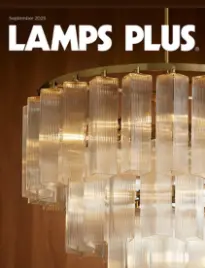
Finding the right lighting for a home involves more than just picking a fixture that looks appealing. It requires an understanding of how light interacts with different surfaces, the functional needs of each room, and the overall design language of the space. Accessing a comprehensive resource like the LAMPS PLUS Catalog allows homeowners to visualize these elements in a cohesive manner, providing a clear path from conceptual design to final installation. By examining a wide variety of styles, from traditional wrought iron to sleek contemporary metals, individuals can identify patterns and pieces that resonate with their personal taste.
The value of a detailed lighting guide lies in its ability to categorize complex options into manageable sections. Whether a project involves a complete home renovation or a simple room refresh, having a structured overview of available technology and designs simplifies the decision-making process. This approach ensures that every chosen fixture serves a purpose, whether it is providing task lighting for a kitchen workspace or creating a warm, inviting glow in a living area for evening relaxation.
Enhancing Residential Interiors with Strategic Illumination
Interior lighting is often categorized into three distinct layers: ambient, task, and accent lighting. Achieving a balanced look requires a careful mix of these types. Ambient lighting provides the general illumination for a room, often coming from ceiling-mounted fixtures or recessed cans. Task lighting focuses on specific areas where activities like reading, cooking, or grooming occur. Finally, accent lighting draws attention to architectural features or artwork, adding depth and dimension to the environment. The LAMPS PLUS Catalog serves as a visual library for these layers, showcasing how they can be combined to create a professional interior design look without the need for an expensive consultant.
When selecting fixtures, the scale of the item relative to the room is a critical factor. A chandelier that is too small for a dining table can look lost, while one that is too large can overwhelm the space. A common rule of thumb involves adding the length and width of the room in feet and converting that sum into inches to determine the ideal diameter for a light fixture. For example, a twelve-by-twelve-foot room would benefit from a fixture approximately twenty-four inches wide. Seeing these proportions in a catalog setting helps users understand how different shapes—such as drum shades, linear pendants, or sputnik designs—occupy volume within a room.
The Role of Color Temperature in Home Mood
Modern lighting technology, particularly LED advancements, has introduced the concept of color temperature measured in Kelvins. This technical aspect is vital for setting the right mood. Lower Kelvin numbers, around 2700K to 3000K, produce a warm, yellowish light that mimics traditional incandescent bulbs, making them ideal for bedrooms and living rooms. Higher numbers, such as 4000K to 5000K, produce a cooler, blue-toned light that resembles daylight, which is better suited for offices, garages, and utility spaces where clarity and focus are required.
- Warm White (2700K-3000K): Best for cozy environments and traditional decor.
- Neutral White (3500K-4100K): Ideal for kitchens and bathrooms where tasks are performed.
- Daylight (5000K-6500K): Recommended for reading nooks and detailed craft work.
Exploring Diverse Lighting Styles for Every Aesthetic
The diversity of styles available in today’s market reflects a broad range of architectural influences. For those who appreciate the raw, structural elements of urban design, industrial lighting often features exposed bulbs, dark metal finishes, and utilitarian shapes. These fixtures work exceptionally well in lofts or modern kitchens with open shelving. Conversely, the coastal style emphasizes light, airy materials like seagrass, rattan, and weathered wood, bringing a sense of the seaside indoors.
Mid-century modern remains a popular choice for its clean lines and geometric forms. This style often uses brass or chrome finishes and prioritizes functionality alongside its iconic aesthetic. For a more opulent feel, crystal chandeliers and wall sconces provide a timeless elegance that can elevate a standard entryway into a grand statement. By browsing through various collections, homeowners can see how these styles evolve and how mixing different influences can create a unique, eclectic home environment that feels personal rather than showroom-derived.
Maximizing Outdoor Spaces with Functional Fixtures
Outdoor lighting is frequently overlooked but is essential for both safety and curb appeal. A well-lit exterior discourages unwanted visitors and ensures that pathways are safe for guests after dark. Wall lanterns flanking the front door create a welcoming entrance, while post lights can define the boundaries of a property. Landscape lighting, such as spot lights for trees or well lights for architectural highlighting, adds a layer of sophistication to the home’s exterior appearance.
Durability is a key consideration for outdoor fixtures. Materials must be able to withstand rain, wind, and UV exposure without corroding or fading. Solid brass, copper, and high-quality aluminum are preferred for their longevity. Many options now include built-in sensors, such as dusk-to-dawn photocells or motion detectors, which provide convenience and energy savings by ensuring lights are only active when needed. These functional upgrades are often detailed in product specifications, allowing buyers to choose the right level of automation for their lifestyle.
The Practicality of Ceiling Fans and Air Circulation
Ceiling fans are a staple in many climates, offering a dual benefit of illumination and temperature control. Modern fan designs have moved far beyond the basic models of the past, now featuring sleek blades, integrated LED modules, and remote-controlled operation. In the summer, the counter-clockwise rotation creates a cooling downdraft, while reversing the direction in the winter helps circulate trapped warm air from the ceiling back down into the living space. This efficiency can lead to significant energy savings on heating and cooling costs over time.
- Blade Span: Ensure the fan size matches the room dimensions for optimal airflow.
- DC Motors: Look for direct current motors for quieter operation and higher energy efficiency.
- Wet-Rated vs. Damp-Rated: Choose the correct rating for porches or patios to prevent motor damage.
Selecting a fan that complements the room’s decor is easier when viewing multiple finishes side-by-side. From matte black to brushed nickel, the finish of the fan motor and blades should coordinate with other hardware in the room, such as door handles or cabinet pulls, to maintain a unified look. The integration of smart home technology also allows many new models to be controlled via smartphone apps or voice commands, adding a layer of modern convenience to a traditional home appliance.
Conclusion: Integrating Style and Functionality
Ultimately, the process of selecting home lighting and decor is about finding a balance between what is practical and what is beautiful. High-quality fixtures do more than just illuminate a room; they serve as pieces of art that define the character of a home. By utilizing a comprehensive guide to explore the vast array of available options, homeowners can confidently select products that meet their technical requirements while satisfying their aesthetic desires. Whether looking for a bold statement piece or subtle recessed lighting, the right resources make all the difference in achieving a successful home design project. For those ready to begin their transformation, exploring the LAMPS PLUS Catalog provides the necessary inspiration and product variety to bring any vision to life.