
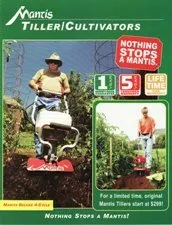
For over four decades, the Mantis brand has been synonymous with the democratization of high-power gardening equipment, specifically through its refinement of the compact tiller. Before the introduction of the first Mantis Tiller/Cultivator, home gardeners were often limited to large, heavy, and expensive rear-tine machines that were difficult to maneuver in small residential plots. The Mantis design philosophy shifted this paradigm by focusing on a lightweight frame paired with high-speed serpentine tines, allowing for deep soil cultivation without the physical burden of traditional equipment. This engineering approach emphasizes that a tool’s effectiveness is not determined by its bulk, but by the precision of its mechanical components and its adaptability to various soil conditions. The catalog provides a detailed look at how these machines have evolved to meet the needs of diverse users, from those managing small urban flower beds to those maintaining productive vegetable gardens. By prioritizing a high-torque-to-weight ratio, Mantis has enabled individuals of all physical abilities to manage their soil with professional-level results, ensuring that the labor of gardening remains a productive and manageable endeavor. Beyond the foundational tiller technology, the Mantis Garden Tool Catalog showcases a sophisticated range of products designed for environmental stewardship and property maintenance. A significant portion of the catalog is dedicated to the ComposTumbler, a device that has set the industry standard for home composting efficiency. By applying mechanical principles to the natural process of decomposition, Mantis offers tools that accelerate the creation of nutrient-rich soil amendments, thereby supporting a sustainable gardening lifecycle. The catalog also illustrates the modular nature of the Mantis power system, where a single engine can be outfitted with various attachments to perform tasks ranging from lawn dethatching to precision edging. This versatility is a key focus for gardeners looking to maximize their equipment investment while minimizing the storage space required for multiple tools. Each entry in the catalog is supported by technical specifications regarding engine displacement, material durability, and ergonomic features, providing the necessary data for users to select the equipment that best aligns with their horticultural goals and physical requirements.
Technical Specifications of the Mantis Tiller Propulsion Systems
The engineering behind the Mantis Tiller series is centered on a high-speed gear reduction system that translates engine power into effective soil-breaking force. The catalog highlights several models, including the classic 2-cycle and the 4-cycle Honda-powered units. The 2-cycle engine is noted for its high-revving capability, which is essential for the serpentine tines to achieve their maximum speed of 240 RPM. This speed is significantly faster than most traditional tillers, allowing the tines to pulverize soil clumps and slice through tough roots or heavy clay. The 4-cycle Honda engine models, such as the 7940, offer a different set of advantages, including a quieter operation profile and the convenience of using standard unleaded gasoline without the need for pre-mixing oil. These engines are equipped with a worm gear transmission that provides consistent torque, ensuring that the machine does not stall when encountering resistance in compacted earth. The catalog specifies that the transmission is housed in a rugged, die-cast aluminum case, which protects the gears from the abrasive nature of soil and dust, contributing to the long-term reliability of the machine.The Mechanical Advantage of Serpentine Tines
A defining feature of the Mantis tiller, as detailed in the technical literature, is the unique shape and construction of its tines. Unlike the standard bolo or slasher tines used on larger machines, the serpentine tines are designed with a curved, multi-edged profile that allows them to dig deep into the ground. These tines are forged from high-quality steel and are subjected to a specific tempering process that enhances their durability. The catalog provides a lifetime guarantee against breakage for these tines, reflecting the brand’s confidence in their structural integrity. When the tines are installed in the tilling position, they dig down to a depth of 10 inches, which is ideal for preparing new planting beds or turning over soil at the start of the season. Conversely, by simply flipping the tines around, the machine can be used for shallow cultivation, allowing the user to weed between rows without disturbing the delicate root systems of established plants. This dual-functionality is a cornerstone of the Mantis design, providing a level of precision that is difficult to achieve with larger, less maneuverable equipment.Comparing Engine Configurations and Fuel Efficiency
The catalog provides a comprehensive breakdown of engine choices to help users determine the best fit for their specific needs. The 2-cycle engine is a commercial-grade power plant that is both lightweight and powerful, making it the preferred choice for those who prioritize a machine that is easy to lift and carry. However, the 4-cycle engine models have gained popularity due to their ease of starting and reduced environmental impact. The Honda GX25 engine, featured in several Mantis models, is a prime example of this technology, offering a 360-degree inclinable design that allows the tiller to be operated or stored in any position without oil leakage. The catalog also notes the inclusion of a centrifugal clutch on these models, which ensures that the tines only begin to rotate when the throttle is engaged. This is a critical safety feature that also prevents unnecessary wear on the transmission during idling. By offering these diverse engine configurations, Mantis caters to a wide spectrum of users, from those who prefer the traditional power of gas-oil mixes to those who seek the modern convenience of 4-stroke technology.Advanced Composting with the ComposTumbler Line
The Mantis Garden Tool Catalog introduces the ComposTumbler as a high-efficiency alternative to traditional compost piles or stationary bins. The primary mechanical advantage of the ComposTumbler is its ability to facilitate aerobic decomposition through regular rotation and controlled aeration. The catalog features the Large Capacity ComposTumbler, which can hold up to 18 bushels of organic material. The drum is constructed from galvanized steel, providing the durability needed to withstand the corrosive nature of decomposing organic matter and the rigors of outdoor exposure. The interior of the drum features specialized aeration fins that lift and mix the material as the drum is turned, ensuring that oxygen reaches the center of the mass. This prevents the anaerobic conditions that typically cause odors and slow down the composting process. According to the technical specifications, the drum’s dark color and insulated design help to trap heat, which is essential for the rapid breakdown of materials and the elimination of weed seeds and pathogens.The Science of Accelerated Decomposition
Efficiency in composting is a matter of managing the balance between carbon, nitrogen, moisture, and oxygen. The Mantis ComposTumbler simplifies this management by providing a contained environment where these variables can be optimized. The catalog explains that by rotating the drum daily, users can produce finished compost in as little as 14 days, provided the correct ratio of materials is used. This is a significant improvement over traditional methods, which can take several months or even a year to produce usable soil amendments. The drum features a large door for easy loading and unloading, and a screened vent that allows for moisture control. For those with smaller gardening footprints, the Back Porch ComposTumbler is highlighted as a space-saving solution. This model features a polyethylene drum that is lightweight and rust-proof, and it is mounted on a frame with wheels for easy mobility. This allows urban gardeners to maintain a composting system on a deck or patio, bringing the benefits of organic recycling to environments where traditional composting would be impractical.Managing Nutrient Cycles in Residential Gardens
The use of the ComposTumbler, as described in the catalog, allows gardeners to close the nutrient loop within their own properties. By recycling kitchen scraps, grass clippings, and garden waste, users can create a continuous supply of high-quality compost that improves soil structure and fertility. The catalog emphasizes that this finished compost is superior to many store-bought fertilizers because it contains a diverse array of beneficial microorganisms and slow-release nutrients. The technical design of the ComposTumbler ensures that the liquid compost tea can also be collected and used as a potent liquid fertilizer. This holistic approach to soil management is a key theme throughout the catalog, positioning Mantis not just as a tool manufacturer, but as a partner in sustainable horticultural practices. The durability of the ComposTumbler units, often backed by multi-year warranties, ensures that this investment in soil health will provide benefits for many growing seasons.Versatility Through Modular Attachments
A central feature of the Mantis Tiller system is its ability to adapt to a wide range of tasks through the use of specialized attachments. The catalog details how the tiller can be transformed from a soil preparation tool into a comprehensive lawn and garden maintenance system. One of the most popular attachments is the Border Edger, which features a hardened steel blade designed to cut clean, professional edges along sidewalks, driveways, and flower beds. This attachment eliminates the need for manual edging tools or string trimmers, which can be difficult to control and often produce inconsistent results. The edger attachment is designed to maintain a consistent depth, ensuring a uniform appearance across the entire landscape. By utilizing the existing power of the tiller engine, the edger provides a level of force that manual tools cannot match, making it particularly effective for establishing new edges in thick sod.Precision Tools for Lawn Care and Soil Aeration
For those focused on lawn health, the Mantis catalog offers the Dethatcher and Aerator attachments. The Dethatcher consists of a series of spring-steel tines that comb through the grass, pulling up the layer of dead organic matter known as thatch. This process is essential for allowing water and nutrients to reach the soil surface. The Aerator attachment, on the other hand, uses four parallel blades to cut small slits in the soil, reducing compaction and promoting deep root growth. These tools are designed to be easily swapped with the standard tilling tines, requiring no specialized tools for the transition. The catalog emphasizes that using these attachments on a regular basis can significantly improve the resilience and appearance of a lawn, reducing the need for chemical fertilizers and excessive watering. The mechanical precision of these attachments ensures they operate at the optimal speed and depth for residential turf, providing a professional-grade solution for home maintenance.Specialized Implements for Planting and Plowing
The versatility of the Mantis system extends to the vegetable garden with the Planter/Furrower and Plow attachments. The Planter/Furrower is designed to create deep, straight trenches for planting potatoes, onions, or large seeds. The width of the furrow can be adjusted to accommodate different crops, providing a level of precision that is difficult to achieve with a hand hoe. For more intensive soil movement, the Plow attachment can be used to create deep furrows or to hill crops like potatoes and leeks. These attachments are particularly useful for those managing larger plots where manual labor would be prohibitive. The catalog provides detailed instructions on how to configure the tiller for these tasks, ensuring that the weight and balance of the machine are optimized for the specific implement being used. This modular approach allows the gardener to perform a full range of seasonal tasks with a single, compact power unit, representing a significant value proposition for the consumer.Ergonomic Considerations and User Accessibility
The design of Mantis equipment is heavily influenced by the ergonomic needs of the operator, with a focus on reducing physical strain and improving maneuverability. The catalog highlights the lightweight construction of the tillers, which typically weigh between 20 and 26 pounds depending on the engine model. This is a critical factor for users who may have difficulty handling larger, heavier machinery. The weight is distributed in a way that places the center of gravity directly over the tines, allowing the machine to pull itself forward during operation. This tine-drive system means the operator does not need to push the machine, but rather guide it as it moves through the soil. The handles are designed with an ergonomic flare and are equipped with soft-grip materials to dampen vibration, which is a major contributor to hand and arm fatigue during extended use. These features make the Mantis Tiller an accessible option for older gardeners and those with physical limitations who still wish to maintain an active role in their garden’s upkeep.Adjustability and Storage Efficiency
Practicality is further enhanced by the adjustable features of the Mantis Tiller. The catalog notes that the handles can be adjusted to different heights, allowing users of various statures to operate the machine in a comfortable, upright position. This adjustability is also key to the machine’s storage capabilities. The handles are designed to fold down completely, significantly reducing the machine’s footprint. This allows the tiller to be stored on a garage shelf or in a small garden shed without taking up valuable floor space. For transport, the folded tiller can easily fit into the trunk of a standard vehicle, making it highly portable for use at community garden plots or for helping neighbors. The catalog also features an optional kickstand, which provides a stable three-point stance when the machine is not in use, preventing it from tipping over and making it easier to start the engine.Improving the User Experience through Thoughtful Design
The user-centric design extends to the starting mechanisms and control layouts of the machines. The catalog details the FastStart technology available on several models, which utilizes a spring-loaded pull-start system to reduce the effort required to engage the engine. This is particularly beneficial for those who may find traditional recoil starters difficult to operate. The throttle and engine kill switch are located within easy reach of the operator’s hands, allowing for immediate control over the machine’s power and movement. Additionally, the clear fuel tanks on the gasoline models allow for a quick visual check of fuel levels, preventing the inconvenience of running out of gas in the middle of a task. These small but significant design choices reflect a deep understanding of the practical challenges faced by gardeners, ensuring that the equipment is as user-friendly as it is powerful.Battery-Powered Innovation and Environmental Stewardship
As the gardening industry moves toward more sustainable power sources, the Mantis Garden Tool Catalog has expanded to include advanced battery-powered options. These cordless tillers represent a significant technological leap, utilizing high-voltage lithium-ion batteries to provide the torque necessary for intensive soil work. The catalog features the 58V cordless tiller, which offers the same tilling performance as the gasoline models but with the added benefits of zero emissions and reduced noise levels. This makes the cordless models an ideal choice for urban environments or for use during early morning hours when noise might disturb neighbors. The battery technology is designed for long run times and rapid charging, ensuring that the tool is ready when the gardener is. Furthermore, the absence of a gasoline engine simplifies the maintenance profile of the tool, eliminating the need for oil changes, spark plug replacements, and fuel stabilization.Performance Reliability of Electric Motors
The electric motors used in Mantis tools are engineered for high efficiency and durability. Unlike traditional brushed motors, the brushless motors found in the latest Mantis cordless equipment offer superior power delivery and a longer lifespan. The catalog explains that these motors are electronically controlled to provide consistent power even as the battery charge depletes, preventing the fade that can occur with lesser battery-operated tools. The torque provided by these electric motors is sufficient to drive the serpentine tines through compacted soil, matching the performance of the 2-cycle gasoline engines. For gardeners with smaller properties, the catalog also maintains a selection of corded electric tillers. These units offer an unlimited run time and are the lightest models in the entire lineup, making them exceptionally easy to maneuver in raised beds or small garden patches. By providing a range of electric options, Mantis ensures that every gardener can find a power source that aligns with their environmental values and operational needs.The Role of Cordless Technology in Modern Gardening
The shift toward cordless technology is not just about convenience; it is also about increasing the accessibility of power tools. The simplified starting process—often just the push of a button—removes one of the primary barriers to using power equipment. The catalog emphasizes that the cordless tiller is part of a larger ecosystem of battery-powered tools, where the same battery can be used across multiple machines. This interoperability provides a significant cost saving and reduces the environmental impact associated with manufacturing multiple battery types. As battery technology continues to improve, the Mantis catalog remains at the forefront of this transition, offering tools that do not compromise on power while providing a cleaner, quieter, and more user-friendly experience. This commitment to innovation ensures that Mantis remains a leader in the horticultural tool market, meeting the evolving demands of a modern, environmentally conscious consumer base.Longevity and the Mantis Warranty Structure
The durability of Mantis equipment is a central theme of the catalog, supported by extensive warranty coverage that provides peace of mind to the owner. The technical construction of the tools, from the high-grade steel tines to the commercial-quality engines, is designed for multi-decade service. The catalog outlines the unique 90-day Buy Back guarantee, which allows customers to use the equipment in their own gardens for a full season. If the tool does not meet their expectations, it can be returned for a full refund. This policy is a clear indicator of the brand’s confidence in the performance and quality of its products. Beyond this initial period, the tillers are covered by a two-year limited warranty against defects in materials and workmanship. The serpentine tines themselves carry a lifetime warranty against breakage, a testament to the strength of the forged steel and the effectiveness of the heat-treatment process.Serviceability and Replacement Part Availability
To ensure that tools remain in peak operating condition for years, the Mantis catalog provides a robust framework for serviceability. The machines are designed to be easily maintained by the owner, with accessible air filters, spark plugs, and grease points. The catalog includes a comprehensive section on replacement parts, ranging from engine components to individual tines and hardware. This availability of parts is a critical aspect of the brand’s sustainability mission, as it encourages repair over replacement. By providing detailed parts diagrams and maintenance guides, Mantis empowers users to take ownership of their equipment’s longevity. For more complex repairs, a network of authorized service centers is available, ensuring that expert help is accessible when needed. This focus on long-term serviceability distinguishes Mantis from many disposable consumer-grade tools found in big-box retailers, positioning their products as a long-term investment for the serious gardener.The Value of Investing in Quality Equipment
The final sections of the catalog emphasize the total cost of ownership rather than just the initial purchase price. By investing in a high-quality, durable tool like a Mantis tiller or ComposTumbler, gardeners save money over the long term by avoiding the need for frequent replacements and repairs. The modularity of the system, where a single power head can perform multiple functions, further enhances this value. The catalog serves as a guide for those who view gardening as a long-term commitment and want tools that will perform reliably season after season. The technical superiority, ergonomic design, and comprehensive support system described throughout the catalog make a compelling case for choosing Mantis as a partner in horticultural success. Whether for a small backyard plot or a large-scale vegetable garden, the equipment featured is designed to deliver exceptional results while making the work of gardening more enjoyable and less physically demanding. The technical sophistication and user-centric design found within the Mantis product line demonstrate a profound understanding of the challenges faced by modern gardeners. From the high-speed serpentine tines of their compact tillers to the efficient heat retention of the ComposTumbler systems, every feature is engineered to maximize productivity while minimizing physical exertion. By choosing equipment that prioritizes durability and modularity, individuals can ensure their gardening efforts are supported by tools that evolve with their needs. For those ready to enhance their horticultural efficiency and soil health, the complete range of solutions is available through the Mantis Garden Tool Catalog, providing the essential resources needed for a successful and sustainable growing season.
Recommended: Explore our Catalogs A to Z for more options.

