

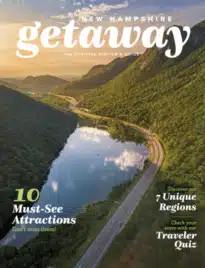
New Hampshire offers a unique blend of natural beauty and historical significance that draws millions of visitors annually. From the rocky peaks of the Presidential Range to the sandy shores of the Atlantic coastline, the state provides a compact yet diverse landscape for exploration. Travelers often find themselves mesmerized by the changing seasons, which transform the terrain from lush green forests to vibrant autumn displays and eventually into a winter wonderland. Understanding the geographic layout helps in planning an efficient itinerary that captures the essence of New England.
Choosing the right time to visit is crucial for a successful trip. Summer months bring warm temperatures perfect for lake swimming and coastal relaxation, while the fall peak season offers some of the most spectacular leaf-peeping opportunities in the world. Winter sports enthusiasts flock to the numerous ski resorts, and spring brings a quiet awakening to the mountain trails. This guide explores the essential spots that define the New Hampshire experience for every type of traveler.
The Majesty of the White Mountains National Forest
The White Mountains represent the rugged heart of the state, covering about a quarter of New Hampshire’s total land area. This region is home to the most significant peaks in the Northeast, offering a playground for outdoor enthusiasts. Visitors can explore hundreds of miles of trails, ranging from gentle woodland walks to strenuous alpine climbs that require proper preparation and gear. The Kancamagus Highway, a 34.5-mile scenic drive, cuts through the center of this wilderness, providing numerous overlooks and access points to waterfalls and swimming holes.
Conquering Mount Washington
Mount Washington stands as the highest peak in the Northeastern United States, famous for its erratic weather and stunning panoramic views. Reaching the summit can be achieved in several ways depending on physical ability and time. The Mount Washington Auto Road allows visitors to drive their own vehicles or take a guided van tour to the top. Alternatively, the historic Mount Washington Cog Railway provides a unique climbing experience using vintage steam or diesel locomotives. For the experienced hiker, trails like the Tuckerman Ravine Path offer a challenging ascent through diverse ecological zones, though hikers must always check the higher summits forecast before departing.
Exploring Franconia Notch State Park
Located in the western part of the White Mountains, Franconia Notch is a spectacular mountain pass traversed by a unique multi-use recreational trail. The park features the Flume Gorge, a natural chasm extending 800 feet at the base of Mount Flume. Visitors walk along wooden boardwalks through the gorge to see towering granite walls and cascading waterfalls. Another highlight is Echo Lake, where the clear water reflects the surrounding peaks, offering a scenic spot for swimming and boat rentals. The Cannon Mountain Aerial Tramway provides a swift ride to the 4,080-foot summit of Cannon Mountain, where an observation deck offers views into Maine, Vermont, and even Canada on clear days.
Coastal Charm and the Seacoast Region
While New Hampshire has the shortest coastline of any coastal state in the U.S., its eighteen miles of Atlantic shore are packed with character and activity. The Seacoast region combines historic maritime culture with modern amenities, making it a favorite for those who enjoy the ocean breeze. Portsmouth serves as the hub of this region, featuring a walkable downtown filled with colonial-era architecture, independent bookstores, and local craft shops.
- Strawbery Banke Museum: An outdoor history museum in Portsmouth showcasing four centuries of New England life.
- Hampton Beach State Park: A popular destination for sunbathing, swimming, and enjoying the lively boardwalk atmosphere.
- Odiorne Point State Park: Home to the Seacoast Science Center and miles of walking trails along the rocky shore.
- Star Island: Accessible by ferry, this island offers a peaceful retreat with historic buildings and ocean vistas.
Travelers often enjoy the juxtaposition of the bustling Portsmouth harbor, where tugboats guide large vessels, and the quiet salt marshes of Rye. The coastal drive along Route 1A is one of the most scenic stretches in the state, lined with elegant summer estates and public beaches. Seafood lovers will find an abundance of fresh lobster, clams, and Atlantic fish served at both upscale restaurants and casual roadside shacks.
Endless Recreation in the Lakes Region
Central New Hampshire is dominated by its vast waterways, known collectively as the Lakes Region. This area becomes the center of activity during the summer months as families head to the water for boating, fishing, and lakeside relaxation. The region includes over 250 lakes and ponds, each offering a different atmosphere from the high-energy excitement of large lakes to the quiet solitude of smaller basins.
The Grandeur of Lake Winnipesaukee
Lake Winnipesaukee is the largest lake in the state, covering roughly 72 square miles. It is dotted with more than 250 islands and surrounded by several charming towns, including Meredith, Wolfeboro, and Laconia. Weirs Beach is a central attraction, featuring a large public beach, arcades, and the boarding site for the MS Mount Washington, a large cruise ship that offers scenic tours of the lake. Wolfeboro claims the title of the oldest summer resort in America, maintaining a classic, sophisticated atmosphere that contrasts with the family-oriented fun found in other parts of the lake.
Squam Lake and Nature Preservation
For those seeking a more tranquil environment, Squam Lake provides a protected sanctuary known for its nesting loons and clear waters. This lake served as the filming location for the movie “On Golden Pond” and has maintained its quiet character through strict conservation efforts. The Squam Lakes Natural Science Center in Holderness allows visitors to see native wildlife like black bears, mountain lions, and river otters in natural enclosures. Kayaking and canoeing are popular here, as the numerous quiet coves provide excellent opportunities for bird watching and photography.
Practical Tips for Your New Hampshire Journey
Navigating the Granite State is relatively straightforward, but there are logistical details that can enhance the experience. Most visitors arrive via Manchester-Boston Regional Airport or drive up from the Boston area. While the primary highways like I-93 and I-95 are efficient, the real beauty of the state is found on the secondary roads that wind through small villages and over covered bridges. New Hampshire has over 50 historic covered bridges, many of which are still in use today and provide excellent photo opportunities.
- Tax-Free Shopping: New Hampshire has no general sales tax, making it a prime destination for shopping at outlets in North Conway or Merrimack.
- Weather Awareness: Mountain weather changes rapidly. Always carry extra layers and water, even on short hikes.
- Seasonal Booking: Foliage season (late September to mid-October) and summer weekends require advance reservations for lodging.
- State Park Fees: Many parks use a reservation system during peak times; it is advisable to book parking passes online before arrival.
The Monadnock Region in the southwestern corner offers another layer of New Hampshire’s appeal. Mount Monadnock is one of the most frequently climbed mountains in the world, providing a manageable hike with a rewarding rocky summit. The surrounding towns like Peterborough and Jaffrey are centers for arts and culture, hosting frequent festivals and farmers’ markets. This area provides a gentler landscape of rolling hills and orchards, perfect for those who prefer a slower pace of travel. When planning your next trip to the Northeast, using a comprehensive New Hampshire Visitors Guide ensures that no hidden gem or scenic vista is overlooked during the journey.