

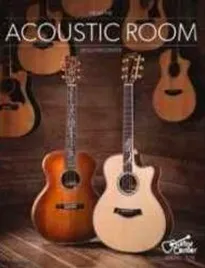
Finding the right musical equipment can feel like a massive task given the sheer volume of options available today. The Guitar Center Catalog acts as a primary resource for players who want to see a wide range of instruments and accessories in one place. Whether a person is just starting their musical journey or is a seasoned professional looking for a specific piece of outboard gear, this collection of products offers a clear look at what is currently available in the market. It simplifies the process of comparing models and understanding the latest technology in the music industry.
Beyond just showing pictures of shiny new guitars, the catalog provides detailed specifications that help musicians make informed decisions. It serves as a bridge between curiosity and ownership, offering insights into the materials, electronics, and design philosophies of various brands. Having a centralized place to view everything from boutique pedals to large-format mixing consoles allows for a more organized approach to building a setup. It helps enthusiasts stay updated on trends without feeling overwhelmed by scattered information found across the internet.
Navigating the Modern Musician’s Toolkit
The variety of gear found in a modern music catalog is staggering. For guitarists, the selection often starts with the basics: electric and acoustic models that define different genres. From the bright, single-coil sounds of a classic T-style guitar to the deep, resonant tones of a solid-wood dreadnought, the options are vast. Each instrument has its own character, often influenced by the type of wood used in the body and the specific electronics installed by the manufacturer. Browsing through these sections allows a player to visualize how a new instrument might fit into their current collection or help them achieve a specific sound they have been chasing.
Electric Guitars and Performance Gear
Electric guitars remain a centerpiece of the musical world. The catalog highlights a diverse range of body styles, including solid-body, semi-hollow, and hollow-body designs. Solid-body guitars are often preferred for high-gain rock and metal because of their sustain and resistance to feedback. Semi-hollow models are frequently chosen by jazz and blues players who want a bit more warmth and acoustic resonance in their tone. High-quality hardware, such as locking tuners and precision bridges, is often a focus in the higher-end sections, showing how professional-grade tools can improve tuning stability and playability during long performances.
Amplification is just as important as the guitar itself. The catalog features a mix of traditional tube amplifiers, solid-state units, and modern digital modeling amps. Tube amps are prized for their organic feel and natural compression, while digital modelers offer incredible versatility by packing hundreds of different sounds into a single unit. For players who practice at home, small 5-watt tube amps or headphone-compatible solid-state amps provide great tone at manageable volumes. On the other hand, touring musicians might look for high-wattage heads and 4×12 cabinets to move enough air on a large stage.
- Solid-Body Guitars: Best for high-gain and modern rock styles.
- Tube Amplifiers: Known for warm, responsive tones and natural overdrive.
- Digital Modelers: Provide a massive library of sounds in a compact format.
- Effect Pedals: Essential for shaping unique sounds with delay, reverb, and distortion.
- Strings and Picks: Small but vital accessories that impact the overall feel of the instrument.
Acoustic Instruments and Folk Gear
Acoustic guitars offer a different kind of connection to music, relying on the vibration of the wood rather than electronic amplification. The catalog showcases various body shapes, such as the Parlor, Concert, and Jumbo. Each shape projects sound differently; for example, a Jumbo guitar offers deep bass and high volume, making it great for strumming, while a Concert body is more balanced and often preferred by fingerstyle players. Looking at the different tonewoods, like spruce, mahogany, and rosewood, helps a buyer understand how the guitar will age and how its sound profile will evolve over years of playing.
In addition to guitars, the acoustic section often includes mandolins, banjos, and ukuleles. These instruments have seen a resurgence in popularity across many genres of music. Ukuleles, in particular, are an excellent entry point for younger students or hobbyists due to their smaller size and nylon strings, which are easier on the fingers. The catalog provides a way to compare these folk instruments side-by-side, ensuring that the buyer finds the right scale length and wood combination for their specific needs.
The World of Percussion and Rhythm
Drums and percussion occupy a significant portion of the catalog, reflecting the heartbeat of almost every musical arrangement. For those looking for a complete kit, there are options ranging from compact four-piece sets for jazz to massive double-bass configurations for heavy metal. The shells themselves are often made from birch, maple, or mahogany, each offering a distinct punch and decay. Hardware is another critical area, with heavy-duty stands and pedals being necessary for drummers who play with a lot of physical energy. The catalog helps drummers find the right balance between durability and portability.
Electronic drum kits have become increasingly sophisticated, making them a popular choice for apartment dwellers and home studio owners. These kits use mesh heads to mimic the feel of an acoustic drum while allowing the player to monitor their sound through headphones. The modules included with these kits often feature hundreds of sampled sounds, allowing a drummer to switch from a vintage studio kit to a futuristic electronic set with the push of a button. This versatility is a major selling point for session players who need to cover many different styles of music in a single day.
Cymbals and Hand Percussion
No drum kit is complete without a set of cymbals. The catalog allows drummers to explore the differences between cast and sheet bronze cymbals. Cast cymbals are generally more expensive and offer a more complex, rich sound, while sheet bronze cymbals are consistent and bright. From dark, dry rides to explosive thin crashes, the variety of sounds available is immense. Hand percussion, such as congas, bongos, and cajons, also plays a huge role in acoustic sets and world music, providing a rhythmic foundation that is portable and tactile.
Recording and Pro Audio Solutions
As home recording becomes more accessible, the pro audio section of the catalog has grown significantly. High-quality audio interfaces are the centerpiece of any modern studio, converting the analog signal from a microphone or instrument into a digital format that a computer can process. The catalog lists interfaces with varying numbers of inputs and outputs, helping producers choose the right model based on whether they are recording a solo singer-songwriter or a full live band. Pair these with a good set of studio monitors, and a musician can begin to hear their work with the clarity needed for professional mixing.
Microphones are another essential category. Large-diaphragm condenser microphones are the standard for vocals due to their sensitivity and ability to capture fine details. Dynamic microphones, like the legendary SM58, are the workhorses of the industry, capable of handling high sound pressure levels from guitar amps and snare drums without distorting. Having a selection of different microphones allows a recording engineer to choose the right tool for the specific frequency range of the source. The catalog provides frequency response charts and polar patterns to assist in this selection process.
- Audio Interfaces: The link between your instruments and your computer software.
- Condenser Microphones: High-sensitivity mics for capturing vocal nuances.
- Studio Monitors: Speakers designed for a flat, accurate frequency response.
- Headphones: Closed-back models for tracking and open-back models for mixing.
- DAW Software: The digital workstation where all recording and editing happens.
Keyboards and Synthesizers
For those who focus on melody and harmony through keys, the catalog offers everything from digital pianos with weighted keys to complex analog synthesizers. Digital pianos are designed to replicate the feel and sound of an acoustic grand, making them perfect for students and classical players. Synthesizers, on the other hand, are about sound design. They allow users to manipulate oscillators, filters, and envelopes to create entirely new textures. MIDI controllers are also highly featured, allowing players to trigger sounds from their computers while maintaining the tactile experience of a physical keyboard.
The catalog also covers essential accessories that keep a studio or stage setup running smoothly. This includes everything from high-quality XLR and instrument cables to power conditioners that protect expensive gear from electrical surges. Case and gig bags are also highlighted, providing the necessary protection for transporting instruments to rehearsals and shows. By offering a comprehensive look at both the primary instruments and the secondary support gear, the catalog ensures that a musician is fully prepared for any situation. Having the right equipment not only makes playing more enjoyable but also encourages a deeper level of creativity and expression. Exploring the various sections helps players discover new tools that can help them reach their musical goals. For a complete look at all the gear mentioned, check out the Guitar Center Catalog