

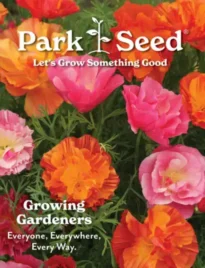
Gardening begins long before the first trowel hits the soil. For many, the true start of the season is marked by the arrival of a comprehensive collection of seeds and plants, offering a world of potential for the backyard or balcony. The process of selecting which vegetables will fill the summer salads and which flowers will brighten the walkway is a cherished ritual. This preparation phase allows for careful consideration of climate, soil conditions, and personal preferences, ensuring that every square inch of the garden is used effectively to produce a bountiful and beautiful result.
Choosing high-quality seeds is the foundation of a successful harvest. A reliable source provides not just the seeds themselves, but the confidence that those seeds have been tested for germination and vigor. Whether looking for traditional favorites that have been grown for generations or new, innovative hybrids designed for disease resistance and higher yields, having access to a diverse range of options is essential. This variety empowers gardeners to experiment with different flavors, colors, and growth habits, turning a simple patch of dirt into a vibrant, living landscape.
Maximizing Your Garden Potential with Expert Seed Selection
A successful garden is often the result of matching the right plant with the right environment. Every region has its own unique challenges, from the length of the growing season to the specific pests and diseases that are common in the area. By utilizing a detailed catalog, gardeners can find specific information on bloom times, sun requirements, and mature sizes. This data is crucial for planning a layout that prevents taller plants from shading out smaller ones and ensures a continuous succession of blooms throughout the spring, summer, and autumn months.
Vegetable gardening, in particular, benefits from a strategic approach. Selecting varieties that are suited for your specific hardiness zone can mean the difference between a struggling plant and a heavy producer. Many modern gardeners are looking for plants that offer multi-functional benefits, such as marigolds that deter pests while providing bright color, or herbs that are as ornamental as they are delicious. The ability to browse through hundreds of options allows for a more nuanced approach to companion planting and integrated pest management, reducing the need for chemical interventions.
Essential Techniques for Successful Seed Starting
Starting plants from seed indoors gives gardeners a significant head start on the season. This is particularly important for crops that require a long growing period, such as peppers, eggplants, and certain perennial flowers. To succeed, one must pay close attention to the needs of the emerging life within the seed. This includes maintaining consistent moisture, providing adequate light, and ensuring the soil temperature remains within the optimal range for the specific variety being planted. High-quality seed starting mixes and specialized trays can simplify this process, providing the drainage and aeration necessary for healthy root development.
- Temperature Control: Most seeds germinate best when the soil is warm, often between 65 and 75 degrees Fahrenheit. Heat mats can be used to provide consistent bottom heat.
- Lighting Requirements: Once sprouts emerge, they need intense light to prevent them from becoming leggy and weak. Shop lights or dedicated grow lights should be placed just a few inches above the seedlings.
- Air Circulation: A small fan can help strengthen the stems of young plants by mimicking a gentle breeze and reducing the risk of fungal issues like damping off.
- Hardening Off: Before moving plants outdoors permanently, they must be gradually acclimated to the wind, sun, and temperature fluctuations of the outside world.
Choosing Between Heirlooms and Hybrids
One of the most common decisions a gardener faces is whether to plant heirloom or hybrid varieties. Heirlooms are open-pollinated seeds that have been passed down through generations, often prized for their exceptional flavor and historical significance. These plants are genetically stable, meaning you can save the seeds from one year to plant the next, and they will grow true to the parent plant. They often have unique stories and offer a connection to the past, preserving biodiversity in the modern world.
On the other hand, hybrid seeds are the result of controlled cross-pollination between two different parent plants to achieve specific traits. These traits often include improved disease resistance, more uniform growth, and higher yields. While you cannot save the seeds from hybrids to grow the same plant the following year, many gardeners find the reliability and vigor of these varieties to be worth the investment. A well-rounded garden often includes a mix of both, taking advantage of the flavor of heirlooms and the resilience of hybrids.
Creating a Pollinator-Friendly Landscape
A garden is more than just a place for humans; it is an ecosystem that supports a wide variety of wildlife. By selecting flowers that are rich in nectar and pollen, gardeners can attract bees, butterflies, and hummingbirds. These pollinators are essential for the production of many fruits and vegetables. When browsing through a seed collection, look for varieties like zinnias, sunflowers, and echinacea, which are known for their ability to support local pollinator populations. Planting a diverse range of flowers that bloom at different times ensures that these beneficial insects have a food source throughout the entire season.
In addition to providing food, a pollinator-friendly garden should also provide habitat. Leaving some areas of the garden a bit more natural and avoiding the use of broad-spectrum pesticides helps create a safe haven for these important creatures. The beauty of a garden filled with fluttering butterflies and buzzing bees adds a dynamic layer of enjoyment to the outdoor space, making the hard work of planting and weeding feel even more rewarding.
The Joy of Small-Space Gardening
Not everyone has a sprawling backyard, but that doesn’t mean they can’t enjoy the rewards of gardening. Many varieties are now bred specifically for containers and small spaces. Bush-style cucumbers, patio tomatoes, and dwarf sunflowers allow those with limited room to grow a surprising amount of food and flowers. These compact plants often perform just as well as their full-sized counterparts, provided they are given adequate water and nutrients. Container gardening also offers the advantage of mobility, allowing you to move plants into the sun or out of the wind as needed.
- Patio Tomatoes: Look for determinate varieties that stay compact and produce fruit all at once, or dwarf indeterminate types that continue to produce in a small footprint.
- Herbs in Pots: Basil, parsley, and chives are perfect for windowsills or small balconies, providing fresh flavors just steps from the kitchen.
- Vertical Gardening: Use trellises and hanging baskets to grow upward, making use of vertical space for peas, beans, and trailing flowers.
Maintaining Soil Health for Long-Term Success
The secret to a thriving garden lies beneath the surface. Soil health is the most critical factor in determining how well your plants will grow. Regular additions of organic matter, such as compost or well-rotted manure, help improve soil structure, water retention, and nutrient availability. It is also beneficial to have your soil tested to understand its pH and nutrient levels. This allows you to make informed decisions about fertilization, ensuring you are providing exactly what your plants need without over-applying unnecessary chemicals.
Mulching is another essential practice for maintaining soil health. A layer of straw, wood chips, or shredded leaves helps suppress weeds, regulate soil temperature, and conserve moisture. As the mulch breaks down, it further enriches the soil with organic material. By treating the soil as a living resource, gardeners can create a sustainable environment where plants can truly flourish year after year. This long-term perspective turns gardening from a seasonal hobby into a lifelong journey of discovery and growth. For those ready to begin their next project, browsing the Park Seed Catalog provides all the inspiration and resources needed to get started.