

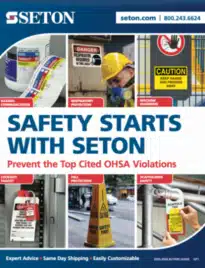
Safety in the workplace is not just about following rules; it is about creating an environment where workers feel secure and operations run smoothly. Identifying the right tools for this task often leads facility managers to comprehensive resources that house everything from specialized signage to parking lot equipment. Having a reliable source for these materials ensures that safety protocols are consistent and easy to implement across different departments. High-quality identification products play a critical role in preventing accidents and ensuring that emergency procedures are clearly communicated to everyone on-site.
Efficiency is a major factor in industrial management. When every pipe, valve, and hazard is clearly marked, maintenance teams can work faster and with fewer errors. Utilizing a centralized resource for these needs allows for better inventory management and ensures that the materials used are durable enough to withstand harsh industrial environments. This consistency helps in maintaining a professional appearance while prioritizing the well-being of every individual within the facility, making the procurement process simpler for everyone involved.
Standardizing Workplace Safety with Effective Identification
Maintaining a safe industrial environment requires a strategic approach to visual communication. The use of standardized signs and labels is the foundation of any successful safety program. These visual cues provide immediate information to employees and visitors, reducing the risk of injury and ensuring that the facility remains compliant with national and international safety standards. When browsing through a comprehensive safety inventory, it becomes clear that variety and specificity are key to addressing the unique hazards found in different industries, from chemical manufacturing to warehouse logistics.
One of the primary advantages of a well-organized identification system is the reduction of cognitive load on workers. In high-stress situations or busy shifts, clearly visible warnings for high voltage, slippery floors, or mandatory personal protective equipment (PPE) requirements act as silent supervisors. This level of clarity is achieved through the use of specific colors and headers that are recognized globally, such as the red for danger, orange for warning, and yellow for caution. These standards are not arbitrary; they are designed to trigger an immediate understanding of the severity of a hazard.
Navigating OSHA and ANSI Compliance
Regulatory compliance is a significant concern for any business owner or facility manager. Organizations like OSHA and ANSI set strict guidelines on how safety information should be displayed. Products found in a professional safety resource are typically designed to meet these exact specifications. This includes the correct font sizes, sign dimensions, and pictograms required to satisfy inspectors and, more importantly, protect the workforce. Using compliant signage demonstrates a commitment to safety and can prevent costly fines during audits.
Beyond simple warnings, compliance also involves the proper marking of exits, fire extinguishers, and first aid stations. In the event of an emergency, every second counts. Glow-in-the-dark or photoluminescent signs are excellent additions to a facility, ensuring that even during a power failure, occupants can find their way to safety. These specialized products are essential components of a robust emergency preparedness plan, providing peace of mind to both management and staff.
Comprehensive Solutions for Pipe Marking and Valve Identification
In complex plumbing and mechanical systems, knowing exactly what is flowing through a pipe is vital for both safety and maintenance. Pipe markers are indispensable tools that identify the contents of a pipe and the direction of flow. This is particularly important in facilities that handle hazardous chemicals, high-pressure steam, or flammable liquids. Without proper marking, a simple maintenance task could turn into a dangerous incident if the wrong line is accidentally breached.
- Standard Pipe Markers: Used for common substances like water, air, and gas, often color-coded to industry standards.
- High-Temperature Markers: Designed for pipes that reach extreme temperatures, ensuring the label remains legible and adhered.
- Chemical-Resistant Labels: Essential for environments where exposure to corrosive substances is common.
- Valve Tags: Provide specific information about the function of a valve and whether it should remain open or closed.
The durability of these markers is just as important as the information they carry. Industrial environments are often subject to moisture, heat, and chemical vapors. High-quality markers are made from materials like vinyl or polyester with strong adhesives that prevent peeling. For pipes that are difficult to clean or have irregular surfaces, snap-on or strap-on markers offer a reliable alternative that does not depend on an adhesive bond. These options ensure that identification remains intact for years, even in the most demanding conditions.
Implementing Lockout Tagout Procedures
Lockout Tagout (LOTO) is a critical safety procedure used to ensure that dangerous machines are properly shut off and not started up again prior to the completion of maintenance or repair work. This process requires a variety of specialized equipment, including padlocks, hasps, and tags. A complete safety resource provides all the necessary components to build a LOTO station that is easy for employees to access and use. The goal is to prevent accidental energization of equipment, which is a leading cause of workplace fatalities.
Tags used in LOTO procedures must be highly visible and durable enough to withstand the environment where they are applied. They often include space for the name of the authorized employee, the date, and the specific reason for the lockout. This transparency ensures that everyone on the floor understands why a machine is out of service and who is responsible for it. By providing high-quality LOTO supplies, a facility can foster a culture of safety where procedures are strictly followed and risks are minimized.
Enhancing Traffic Control and Outdoor Safety
Safety does not stop at the warehouse door. The areas surrounding a building, including parking lots and loading docks, require just as much attention to detail. Traffic control products such as speed bumps, bollard covers, and parking signs help manage the flow of vehicles and pedestrians. This reduces the likelihood of collisions and ensures that emergency vehicles always have clear access to the facility.
Loading docks are high-traffic zones that present unique hazards. Dock bumpers protect the building from impact damage, while wheel chocks prevent trucks from rolling during the loading process. These simple yet effective tools are essential for protecting both the infrastructure and the personnel working in these areas. Additionally, clear signage indicating dock numbers and safety instructions helps truck drivers navigate the site efficiently, reducing congestion and potential accidents.
Custom Identification for Unique Challenges
While standard signs cover many common hazards, many facilities face unique challenges that require custom solutions. Whether it is a specific warning for a proprietary machine or a label that includes a company logo for branding purposes, custom identification allows for total control over the message. Advanced printing technologies make it possible to create durable, high-resolution custom signs and labels that meet the same rigorous standards as off-the-shelf products. This flexibility ensures that no hazard goes unmarked, regardless of how specialized it may be.
Floor marking is another area where customization and variety lead to better safety outcomes. Using heavy-duty floor tapes to designate walkways, forklift lanes, and storage areas helps organize the workspace and keep pedestrians away from moving machinery. These tapes come in various widths, colors, and textures, including anti-slip versions for areas prone to spills. A well-marked floor is a clear indication of a well-managed facility that prioritizes the health and safety of its workers. For those seeking a wide range of these safety and identification tools, the Seton Catalog offers an extensive selection of products to meet every industrial requirement.