

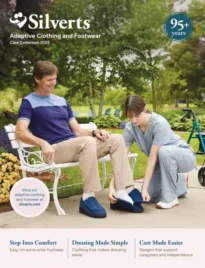
Maintaining independence becomes a significant focus as physical abilities change with age or medical conditions. Dressing is one of the most personal daily tasks, yet it often becomes a source of frustration when traditional buttons, zippers, and tight necklines present obstacles. The variety of garments available in Silvert’s Catalog addresses these specific challenges by prioritizing ease of movement and accessibility without sacrificing the wearer’s personal style or dignity.
Adaptive fashion is not just about functionality; it is about providing solutions that make the morning routine smoother for both the individual and their support network. By focusing on smart design elements like magnetic fasteners and seated-fit trousers, these clothing options help bridge the gap between needing assistance and maintaining a sense of self-reliance. This approach to apparel ensures that getting ready for the day remains a positive experience rather than a physical hurdle.
Improving Daily Routines with Adaptive Designs
The shift toward functional clothing has transformed how seniors and individuals with disabilities approach their wardrobe. Traditional retail often overlooks the mechanics of limited range of motion, but specialized apparel fills this void. For instance, shirts that appear to have standard buttons but actually utilize hidden magnetic closures allow someone with arthritis to dress themselves in seconds. This small design change can restore a sense of accomplishment and reduce the physical strain on small joints in the hands.
Furthermore, the materials used in these collections are chosen for their durability and skin-friendly properties. Soft, breathable fabrics prevent irritation for those who spend long periods sitting or lying down. The construction often features flat seams to minimize pressure points, which is a critical consideration for people with sensitive skin or those at risk of pressure sores. By integrating these thoughtful details, the clothing supports overall physical health while looking like standard, high-quality attire.
The Innovation of Magnetic Closures
One of the most appreciated advancements in the industry is the use of magnets in place of buttons or zippers. For individuals experiencing tremors or decreased grip strength, the act of threading a button through a small hole can be nearly impossible. Magnetic systems allow the fabric to find its own alignment, snapping together with minimal effort. This technology is frequently applied to dress shirts, cardigans, and even jackets, ensuring that formal or business-casual looks remain accessible to everyone regardless of their manual dexterity.
Simplified Dressing with Side-Zip Pants
Lower body dressing often requires significant balance and flexibility. Side-zip pants are a practical solution that allows for a much wider opening, making it easier to pull the garment over the hips or accommodate a seated position. These trousers often feature long zippers on both sides, which is particularly helpful for those recovering from hip or knee surgery. By allowing the front of the pant to fold down, the wearer can step into the garment with much less effort than traditional pull-on styles require.
Supporting Caregivers Through Better Apparel
The benefits of specialized clothing extend beyond the person wearing them. Caregivers often face physical strain when helping others dress, especially when dealing with stiff limbs or limited cooperation. Designs such as open-back tops allow a caregiver to dress an individual from the front without requiring them to raise their arms or struggle with tight head holes. The garment simply wraps around and snaps at the shoulders, providing full coverage while minimizing the physical exertion required from both parties.
This method of dressing is particularly effective in assisted living environments or for those receiving home care. It reduces the time spent on daily tasks and lessens the risk of accidental injury during the dressing process. When the clothing works with the caregiver rather than against them, the entire interaction becomes more dignified and less stressful. It allows more time for meaningful connection and less time struggling with uncooperative zippers or restrictive waistbands.
- Open-back designs for easy access while seated or lying down.
- Elasticized waistbands that provide comfort and accommodate weight fluctuations.
- Easy-grip pull tabs on zippers for better leverage.
- Reinforced loops to assist with pulling up pants.
- Hidden closures that maintain a traditional aesthetic.
Footwear Solutions for Sensitive Feet
Foot health is a vital component of mobility and safety for seniors. Standard shoes can often be too narrow or difficult to secure, leading to discomfort or an increased risk of falls. The footwear options found in Silvert’s Catalog emphasize wide openings and adjustable fastenings to accommodate common issues like bunions, hammertoes, or general swelling. Using non-slip footwear is a proactive step in fall prevention, providing the stability needed for navigating various indoor and outdoor surfaces.
Many of these shoes feature extra-depth designs, allowing for the use of custom orthotics if necessary. The interiors are typically lined with seamless, anti-microbial materials to protect the feet from friction and infection. For those who struggle with traditional laces, extra-long straps with hook-and-loop fasteners provide a secure fit that can be adjusted throughout the day as foot volume changes. This level of adjustability is essential for maintaining comfort during long periods of wear.
Dealing with Edema and Swelling
Chronic swelling, or edema, can make finding shoes almost impossible in conventional stores. Specialized slippers and shoes designed for edema feature expandable fabrics and deep toe boxes. These items can stretch to fit the foot without pinching or restricting circulation. Some models even open completely flat, allowing the foot to be placed onto the sole before the sides are wrapped around and secured. This ensures a perfect fit every time, regardless of how much swelling is present on a given day.
Confidence Through Style and Comfort
Ultimately, the goal of using adaptive clothing is to boost the wearer’s confidence. When someone feels good in what they are wearing and doesn’t have to worry about the mechanics of their outfit, they are more likely to engage in social activities and maintain an active lifestyle. Modern designs ensure that these garments look like any other high-end clothing, meaning no one has to compromise their personal style for the sake of functionality. The integration of trendy colors and classic patterns allows individuals to express themselves while enjoying the ease of use they require.
Choosing the right items involves understanding the specific needs of the individual, whether they require assistance with dressing or are looking for ways to remain self-sufficient. By exploring the diverse options available, families can find the perfect balance of form and function. Investing in quality apparel designed for longevity and ease is a simple yet effective way to improve the quality of life for seniors. For those looking for a comprehensive selection of these helpful garments, the Silvert’s Catalog offers a wide range of solutions tailored to meet every need.