

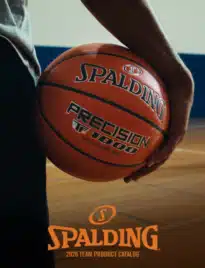
Finding the right equipment for any sport requires a balance of quality, durability, and performance. The Spalding Sporting Goods Catalog serves as a definitive resource for athletes, coaches, and facility managers looking to elevate their game. Whether the goal is to set up a professional-grade basketball court or to find reliable gear for backyard play, the selection available covers every essential need. By focusing on high-grade materials and innovative engineering, these products ensure that every session on the court or field is productive and enjoyable.
Equipment choices often determine the longevity of a sport program or the success of a training season. High-quality gear reduces the frequency of replacements and provides a consistent experience for players of all skill levels. From the iconic orange basketballs seen in professional arenas to the heavy-duty portable hoops found in driveways across the country, the items in this collection represent a commitment to the sport. Having access to a wide array of options allows for customized setups that meet specific environmental and competitive requirements.
Precision Engineering for Competitive Play
The core of any sports equipment collection is the ball itself. In the basketball category, the variety of surfaces and materials is extensive. For those playing on indoor hardwood, the preference often leans toward ZK microfiber composite. This material is designed to manage moisture, providing a dry grip even during intense, high-stakes games. The internal construction features a balanced bladder that maintains consistent air pressure, ensuring a predictable bounce every time the ball hits the floor. This level of detail is what separates professional-tier equipment from standard recreational items.
Outdoor play presents a different set of challenges, primarily involving abrasive surfaces like asphalt and concrete. The catalog features specialized outdoor basketballs made from durable rubber or enhanced composite materials that resist wear and tear. These balls are engineered with deeper channels to improve grip in dusty conditions, making them ideal for streetball or park tournaments. The resilience of these materials ensures that the grip patterns do not smooth out after just a few weeks of use, providing long-term value for players who prefer the outdoor environment.
Advanced Hoop and Backboard Systems
Setting up a court involves more than just a ball; the hoop system is the centerpiece of the experience. The Spalding Sporting Goods Catalog offers several configurations, including in-ground, portable, and wall-mounted systems. In-ground hoops are favored for their stability and professional feel, often featuring tempered glass backboards that provide the same rebound response found in college and pro arenas. These systems are typically anchored in concrete, offering a permanent solution for dedicated players.
Portable systems offer flexibility for those who may need to move their setup or who have limited space. These units feature large bases that can be filled with water or sand for stability. Modern portable hoops often include height-adjustment mechanisms, allowing the rim to be lowered for younger players or raised to the standard ten feet for adults. This versatility makes them a popular choice for families. The breakaway rims included in many of these systems are designed to flex under pressure, protecting the backboard and the player during high-impact plays.
Essential Features of Premium Basketballs
- Moisture Management: Advanced composite covers that absorb sweat for better handling.
- Nylon Windings: Internal structures that provide extra strength and shape retention.
- Pebbled Texture: Consistent surface patterns that offer superior tactile feel across the entire ball.
- Symmetrical Design: Precision-balanced construction for true flight and rotation.
- Rotational Valve: High-quality air valves that prevent leaks and maintain pressure.
Expanding Beyond the Basketball Court
While basketball is a significant focus, the catalog extends its reach into other sports, including volleyball and soccer. Volleyball enthusiasts can find balls designed for both indoor and beach play. Indoor volleyballs focus on a soft touch and minimal sting, utilizing synthetic leather covers that are gentle on the arms during repeated spikes and serves. Beach volleyballs, conversely, are built to withstand wind, sand, and sun, often featuring a slightly heavier weight and water-resistant properties to maintain their flight path in coastal conditions.
Soccer equipment in the collection emphasizes durability and aerodynamic accuracy. The balls are constructed with machine-stitched or thermally bonded panels that minimize water absorption and maintain a spherical shape over time. This ensures that players can practice their footwork and shooting with a ball that reacts predictably. For coaches and trainers, the availability of these items in bulk or as part of specialized sets makes it easier to outfit an entire team for the season.
Training Aids and Accessories
Success in sports is often the result of dedicated practice, and the right training aids can accelerate skill development. The catalog includes items such as weighted training balls, which help players improve their shooting range and passing strength. Dribble goggles are another popular tool, forcing players to keep their heads up and survey the court rather than looking at the ball. These small but effective additions to a training regimen can make a significant difference in a player’s overall court awareness and technical ability.
Maintenance tools are also a vital part of the equipment ecosystem. Inflation pumps, needles, and pressure gauges are essential for keeping balls at the optimal firmness. A ball that is under-inflated will not bounce correctly, while one that is over-inflated can be difficult to control and may even damage the internal bladder. Having these tools on hand ensures that the equipment remains in peak condition, extending its lifespan and maintaining a high standard of play.
Durability and Material Innovation
The longevity of sporting goods is directly tied to the innovation behind the materials used. In the realm of backboards, polycarbonate and acrylic are common alternatives to tempered glass. Polycarbonate is virtually unbreakable, making it an excellent choice for high-traffic public parks or areas where vandalism might be a concern. Acrylic boards provide a clear, professional look and better rebound than polycarbonate, serving as a middle ground for serious home players. Understanding these material differences allows buyers to make informed decisions based on their specific environment.
Protective gear and court accessories also feature prominently. Pole pads and backboard padding are crucial safety components, especially for aggressive play styles. These items are designed to absorb impact, reducing the risk of injury when players drive to the hoop. Nets are another frequently replaced item; the catalog offers heavy-duty nylon options as well as anti-whip nets that prevent the mesh from flipping up over the rim after a shot. For those looking for a classic sound and feel, steel chain nets are also available for outdoor courts.
Selecting Gear for Youth Development
Choosing equipment for younger athletes requires attention to size and weight. Using a full-sized basketball or a standard-height hoop can lead to poor form and frustration for children. The catalog provides various sizes, such as Size 5 (27.5 inches) for juniors and Size 6 (28.5 inches) for intermediate players. Providing the correct size ball allows youth players to develop proper shooting mechanics and ball-handling skills before transitioning to the official Size 7 (29.5 inches) used in high school, college, and professional leagues.
Instructional equipment, such as oversized hoops or balls with hand-placement markings, can also be found. These products are designed to make the learning process more intuitive. By lowering the barrier to entry, these tools help foster a love for the game in the next generation of athletes. Investing in the right youth gear is a strategic move for any sports program focused on long-term player development and retention.
Whether you are a professional athlete or a weekend enthusiast, having the right gear is essential for a great experience. The variety of products ensures that every sport, from basketball to volleyball, is supported by high-quality manufacturing. To find the perfect equipment for your next game, explore the full range of options available in the Spalding Sporting Goods Catalog.