

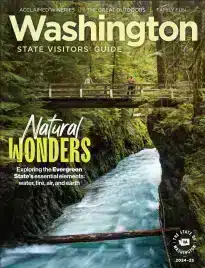
Washington State stands as a premier destination for those seeking a balance between sophisticated urban centers and some of the most rugged wilderness in the United States. From the moisture-rich environments of the Olympic Peninsula to the arid, sun-soaked landscapes of the Columbia River Basin, the geographic diversity here is staggering. Travelers often find themselves transitioning from a bustling tech hub to a quiet alpine trail within a single afternoon, making it a unique location for a versatile vacation.
Navigating this region requires an understanding of its distinct microclimates and regional identities. While the western side of the state is famous for its evergreen forests and temperate rainforests, the eastern side offers a high-desert experience with expansive views and a thriving agricultural scene. This guide provides a detailed look at how to maximize a visit to the Evergreen State, focusing on practical logistics and high-value experiences that define the Pacific Northwest.
Beyond the Emerald City: Exploring the Diverse Landscapes of Washington
Seattle often serves as the gateway for most visitors, yet the true heart of Washington lies in its varied terrain. The state is effectively split by the Cascade Mountain Range, which creates two very different worlds. To the west, the influence of the Pacific Ocean brings moderate temperatures and significant rainfall, resulting in the lush, green scenery that gives the state its nickname. To the east, the rain shadow effect creates a dry, fertile landscape perfect for vineyards and orchards.
Planning a trip here involves more than just booking a hotel in the city. It requires a strategy for transportation, especially when considering the state’s extensive ferry system and mountain passes. Whether the goal is to witness the sunrise over a volcanic peak or to sample world-class Rieslings in a desert valley, understanding the spatial layout of the state is the first step toward a successful journey.
The Coastal Wonders of the Olympic Peninsula
The Olympic Peninsula is home to Olympic National Park, a UNESCO World Heritage site that protects three distinct ecosystems: subalpine forest and wildflower meadows, temperate rainforests, and the rugged Pacific coast. This area is essential for anyone wanting to see the raw power of nature. The Hoh Rainforest, one of the few temperate rainforests in the world, receives over 140 inches of rain annually, creating a cathedral-like atmosphere of moss-draped Sitka spruce and Western hemlock.
Coastal areas like Rialto Beach and Ruby Beach offer a different kind of beauty. Instead of white sand and palm trees, visitors find towering sea stacks, massive driftwood logs, and tide pools teeming with life. The weather here is unpredictable, so high-quality rain gear is always recommended regardless of the season. For those interested in history, the town of Port Townsend provides a glimpse into the Victorian era with its well-preserved architecture and maritime heritage.
Essential Stops on the Olympic Loop
- Hurricane Ridge: Accessible from Port Angeles, this spot offers panoramic views of the Olympic Mountains and easy access to alpine hiking trails.
- Lake Crescent: Known for its deep blue water and clarity, this glacially carved lake is perfect for kayaking or a stay at the historic lodge.
- Sol Duc Falls: A short hike leads to one of the most photographed waterfalls in the state, where the river splits into four distinct channels.
- Cape Flattery: The northwesternmost point of the contiguous United States, offering dramatic cliffside views of the Pacific Ocean and Tatoosh Island.
The Volcanic Majesty of the Cascade Range
Mount Rainier National Park is perhaps the most iconic landmark in Washington. Standing at 14,411 feet, the mountain is an active volcano and the most glaciated peak in the lower 48 states. The park features two main visitor areas: Paradise and Sunrise. Paradise is famous for its massive winter snowfall and summer wildflower displays, while Sunrise offers a higher elevation perspective and a drier climate on the mountain’s northeastern flank.
Further north, the North Cascades National Park Complex offers a more remote experience. Often referred to as the American Alps, this region is characterized by jagged peaks and over 300 glaciers. The North Cascades Highway (Highway 20) provides access to stunning overlooks like Diablo Lake, which is famous for its vibrant turquoise water caused by glacial flour. This area is a haven for serious backpackers and those looking to escape the crowds found in more accessible parks.
Mount Saint Helens: A Study in Resilience
South of Mount Rainier lies Mount Saint Helens National Volcanic Monument. The 1980 eruption changed the landscape forever, and today, it serves as a massive outdoor laboratory for ecological recovery. The Johnston Ridge Observatory provides a direct view into the crater and the lava dome. Visitors can walk through the blast zone and see how life has returned to the scorched earth, providing a sobering and educational perspective on the power of geological forces.
Island Hopping and the Salish Sea
The San Juan Islands are a collection of over 170 islands located in the Salish Sea between the Washington mainland and Vancouver Island. Accessible by ferry from Anacortes, these islands offer a slower pace of life. San Juan Island, Orcas Island, and Lopez Island are the most popular destinations. This region is world-renowned for whale watching, particularly for Southern Resident and transient Orcas, as well as Humpback and Minke whales.
Orcas Island is home to Moran State Park, where a drive or hike to the summit of Mount Constitution provides a 360-degree view of the surrounding archipelago and the distant peaks of Mount Baker and Mount Rainier. The islands are also a culinary hotspot, with a strong focus on farm-to-table dining and locally sourced seafood like Dungeness crab and Pacific oysters.
The High Desert and Eastern Washington Treasures
Crossing the Cascades to the east reveals a different side of Washington. The Yakima Valley and the Walla Walla region are central to the state’s agricultural output. Washington is the second-largest wine producer in the United States, and the volcanic soil of the east provides the perfect conditions for growing Syrah, Cabernet Sauvignon, and Merlot. Walla Walla, in particular, has transformed into a sophisticated destination with dozens of tasting rooms and high-end restaurants located in its historic downtown.
In the north-central part of the state, Lake Chelan offers a 50-mile-long fjord-like experience. The town of Chelan is a popular summer destination for water sports, while the remote village of Stehekin, located at the head of the lake, is only accessible by boat, floatplane, or foot. Stehekin serves as a gateway to the North Cascades and offers a quiet retreat from the modern world.
Geological Wonders of the Coulee Corridor
The central part of the state features the Grand Coulee, a massive ancient river bed formed by cataclysmic floods during the last ice age. Dry Falls, once the largest waterfall in the world, is now a stark cliff system that showcases the sheer scale of the Missoula Floods. This area is perfect for those interested in geology and the deep history of the North American continent.
Practical Tips for a Successful Washington Trip
When visiting Washington, timing is everything. July through September offers the most reliable weather, with clear skies and accessible mountain trails. However, this is also peak tourist season. Late spring and early fall can be excellent for those who don’t mind a bit of mist and want to avoid the largest crowds. Winter is a paradise for skiers and snowboarders at resorts like Stevens Pass, Crystal Mountain, and Mount Baker, which often holds the record for the most snowfall in a season.
Transportation is another key factor. While Seattle has a light rail system, a rental car is almost mandatory for exploring the national parks and rural areas. If using the ferry system, it is highly recommended to make vehicle reservations in advance, especially for the San Juan Islands routes during the summer months. Always check the Washington State Department of Transportation website for real-time updates on pass closures and ferry delays.
Washington is a place where nature and culture intersect in meaningful ways. By stepping outside the city limits and exploring the mountains, islands, and deserts, travelers can gain a full appreciation for what makes this corner of the Pacific Northwest so special. For more detailed itineraries and local secrets, consult a comprehensive Washington Travel Guide.