

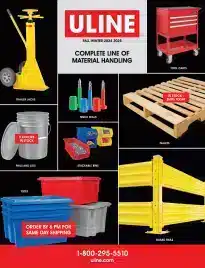
Maintaining a high-functioning warehouse or shipping department requires more than just physical labor; it demands a systematic approach to procurement and organization. A comprehensive resource like a professional shipping catalog serves as a cornerstone for logistics managers who need to find specific industrial solutions quickly. When a facility has access to a vast array of packaging materials, safety equipment, and maintenance tools in one place, the workflow becomes significantly more predictable. This predictability is the foundation of a successful supply chain, allowing teams to focus on fulfilling orders rather than searching for missing supplies.
Having a physical or digital reference for thousands of industrial items allows for better long-term planning. Instead of reactive buying during a shortage, managers can use these resources to standardize their packaging processes. Standardizing materials, such as using specific grades of corrugated boxes or uniform stretch wrap, leads to fewer damaged goods and more consistent shipping costs. This level of detail in operational planning is what separates efficient shipping hubs from those struggling with overhead and logistics bottlenecks.
Optimizing Warehouse Efficiency with the Right Supplies
Efficiency in a warehouse environment is often measured by the speed and accuracy of the fulfillment process. The tools selected from a shipping catalog play a direct role in these metrics. For instance, high-quality tape dispensers and ergonomic workstations reduce the physical strain on employees, which in turn maintains a steady pace of work throughout a shift. When workers have the right equipment, the likelihood of errors decreases, and the overall safety of the environment improves.
The Role of Quality Corrugated Materials
Corrugated boxes are the most fundamental component of shipping, yet their variety is often overlooked. Choosing the correct box involves understanding the weight and fragility of the contents. Heavy-duty double-wall boxes are necessary for industrial components, while lightweight single-wall options suffice for soft goods. A detailed catalog provides the technical specifications, such as the Edge Crush Test (ECT) rating or Mullen burst strength, which are vital for ensuring that packages survive the rigors of transit without collapsing under the weight of stacked pallets.
- Standard Shipping Boxes: Versatile and available in hundreds of sizes to minimize dimensional weight charges.
- Heavy-Duty Boxes: Designed with extra reinforcement for heavy machinery or dense metal parts.
- Multi-Depth Boxes: Scored at different intervals to allow for height adjustment, reducing the need for excess void fill.
- Insulated Shippers: Critical for temperature-sensitive items like food or pharmaceuticals.
Facility Safety and Maintenance Standards
Beyond the boxes and tape, a professional shipping catalog offers solutions for the entire facility. Safety is a primary concern in any industrial setting. This includes everything from floor marking tape that designates pedestrian walkways to safety mirrors that prevent collisions at blind corners. Implementing these safety measures is not just about compliance; it is about creating a culture of care that protects the most valuable asset of any business: its people.
Industrial Shelving and Storage Solutions
Effective storage is about maximizing vertical space while keeping items accessible. Industrial shelving units, pallet racks, and plastic storage bins are essential for keeping inventory organized. When items are clearly labeled and stored in designated bins, the ‘pick and pack’ process becomes much faster. Utilizing high-density storage solutions can also delay the need for moving to a larger facility by making better use of the existing footprint. This strategic use of space is a direct result of selecting the right storage hardware from a comprehensive industrial supply list.
The Importance of Advanced Packaging Materials
Modern shipping challenges require modern solutions. This includes specialized materials like anti-static bags for electronics, VCI (Volatile Corrosion Inhibitor) paper for metal parts, and tamper-evident seals for high-value shipments. These products go beyond basic protection; they address specific environmental and security risks. For example, using the right thickness of stretch wrap (measured in gauge or microns) ensures that a pallet load remains stable during long-haul trucking, preventing the shifting that leads to tipped loads and damaged inventory.
Customization and Branding Opportunities
In a competitive market, the unboxing experience has become a significant touchpoint for customer satisfaction. Custom-printed tape or branded boxes can turn a standard delivery into a marketing tool. Even without full customization, using high-quality colored tissue paper or specific types of void fill like kraft paper versus plastic air pillows can align with a company’s brand values, such as sustainability. A thorough shipping catalog provides these options, allowing businesses to tailor their presentation to meet customer expectations.
Strategic Procurement and Bulk Ordering
One of the most significant advantages of using a dedicated shipping resource is the ability to leverage bulk pricing. Industrial operations consume supplies at a high rate, and the cost savings associated with pallet-quantity orders can be substantial. By analyzing usage patterns through a catalog, procurement officers can identify which items are ‘high-velocity’ and should be ordered in larger quantities to reduce the per-unit cost. This data-driven approach to purchasing helps maintain a healthy bottom line.
Managing Seasonal Demand
Many businesses experience seasonal spikes, particularly during the fourth quarter. Having a reliable supplier with a deep inventory ensures that these peaks can be managed without running out of essential materials. Planning ahead by reviewing the catalog during slower months allows for the staging of supplies, ensuring that when the rush hits, the warehouse is fully stocked with everything from bubble wrap to shipping labels. This foresight prevents the high costs and stress associated with last-minute, expedited shipping of supplies.
Ultimately, the success of a logistics operation depends on the quality of its tools and the reliability of its sources. A physical reference like a shipping catalog remains a powerful asset in an increasingly digital world, providing a tactile way to compare products and visualize warehouse improvements. By investing in the right materials and maintaining a well-organized facility, businesses can ensure that their products reach customers safely and efficiently. For those looking to upgrade their current shipping setup or restock essential warehouse items, the best place to start is the Uline Shipping Catalog.