

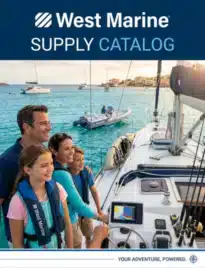
Preparing for a season on the water involves more than just checking the fuel levels. It requires a detailed look at the equipment that keeps a vessel safe, functional, and enjoyable. For many boaters, a comprehensive resource like a marine gear guide becomes a central part of their planning process. Having access to a wide array of boat parts and accessories allows owners to make informed decisions about upgrades and repairs before they ever leave the dock. Whether you are a weekend sailor or a dedicated offshore angler, understanding the variety of tools available is the first step toward a successful outing.
Choosing the right gear is often about balancing reliable performance with the specific needs of your vessel. From the smallest stainless steel fastener to the most complex satellite navigation system, every component plays a role in the overall health of the boat. This guide explores the essential categories found in a modern marine inventory, highlighting how specific products contribute to a better experience on the waves. By focusing on quality and compatibility, boaters can ensure their time on the water is spent relaxing rather than troubleshooting equipment failures.
Essential Safety Equipment for Every Vessel
Safety is the most critical aspect of any boating adventure. A well-stocked marine catalog provides the necessary tools to meet and exceed Coast Guard requirements. Life jackets, or Personal Flotation Devices (PFDs), are the foundation of any safety plan. Modern designs have moved far beyond the bulky orange vests of the past. Today, inflatable PFDs offer a slim profile that allows for better movement while fishing or sailing. These devices use CO2 cartridges to inflate automatically upon immersion or via a manual pull-cord, providing protection without sacrificing comfort during long days under the sun.
Visual and Audible Distress Signals
Communication during an emergency is vital. Beyond standard VHF radios, visual distress signals like flares and electronic SOS beacons are mandatory for most vessels operating on coastal waters. Electronic visual distress signals (eVDSDs) are gaining popularity as they do not expire like traditional pyrotechnic flares. These battery-operated lights can flash an SOS signal for hours, providing high visibility to search and rescue teams. Additionally, whistles and air horns serve as immediate audible signals to alert nearby vessels of your position in low-visibility conditions or crowded channels.
- Type I, II, and III PFDs for various water conditions.
- Throwable flotation devices like life rings and cushions.
- Fire extinguishers rated for marine use (B-I or B-II).
- First aid kits specifically packaged in waterproof containers.
- Emergency Position Indicating Radio Beacons (EPIRBs).
Marine Electronics and Navigation Technology
The evolution of marine electronics has transformed how boaters navigate and find fish. A modern helm often features a multifunction display (MFD) that integrates GPS, sonar, radar, and engine data into a single screen. This integration increases efficiency by allowing the captain to monitor all systems without shifting focus between multiple gauges. High-definition sonar technology, such as CHIRP, provides a clear view of what lies beneath the hull, helping anglers identify structure and fish schools with incredible accuracy. For those navigating in foggy or nighttime conditions, marine radar remains an indispensable tool for collision avoidance.
Staying Connected with VHF and AIS
Communication equipment is another pillar of the marine catalog. A fixed-mount VHF radio with Digital Selective Calling (DSC) is a standard requirement for coastal cruising. When properly registered, a DSC-equipped radio can send an automated distress signal containing the boat’s coordinates to the authorities at the touch of a button. Furthermore, the Automatic Identification System (AIS) allows vessels to see and be seen by other ships. This technology displays the position, speed, and heading of nearby vessels on your MFD, which is particularly useful in busy shipping lanes or commercial ports.
Maintenance and Hull Care Essentials
Regular maintenance is the best way to protect a significant investment in a boat. The marine environment is harsh, with salt, UV rays, and moisture constantly attacking surfaces. Utilizing marine-grade cleaners and waxes is essential because household products often contain chemicals that can damage gelcoat or vinyl. For boats kept in the water, bottom paint or anti-fouling coatings are necessary to prevent the growth of barnacles and algae. These growths not only slow down the boat but also increase fuel consumption significantly.
Beyond cleaning, mechanical maintenance requires specific lubricants and replacement parts. Fuel filters, impellers, and spark plugs should be checked and replaced according to the manufacturer’s schedule. Using the correct tools, such as a specialized prop wrench or a fluid extraction pump, makes these tasks easier for the DIY boat owner. Keeping a supply of stainless steel hardware, including screws, bolts, and washers, ensures that any minor repairs can be handled immediately, preventing small issues from turning into major headaches during a trip.
- Biodegradable boat soaps for environmentally friendly cleaning.
- Marine-grade sealants for bedding deck hardware.
- Corrosion inhibitors for electrical connections and engine components.
- Microfiber cloths and soft-bristled brushes for delicate surfaces.
- Teak cleaners and oils for maintaining wood accents.
Anchoring and Docking Solutions
Securing a vessel, whether at a busy marina or a quiet cove, requires the right ground tackle. Anchors come in various designs, each suited for different types of bottom conditions like sand, mud, or rock. The fluke-style anchor is a popular choice for sandy bottoms, while plow or scoop-style anchors offer better durability and holding power in a variety of environments. The rode, which consists of the chain and line connecting the anchor to the boat, must be sized correctly to ensure the boat stays put even when the wind picks up.
Docking is often the most stressful part of boating, but the right equipment can simplify the process. Fenders act as a cushion between the hull and the dock, preventing scratches and structural damage. High-quality dock lines with built-in stretch help absorb the shock of waves and tides, keeping the boat snug against the pier. For those who frequently boat in areas with significant tidal swings, specialized mooring products like whips or tide slides provide extra safety by keeping the boat at a consistent distance from the dock regardless of the water level.
Enhancing the Boating Experience
While safety and maintenance are the priorities, many items in a marine inventory are designed for comfort and fun. Marine audio systems are built to withstand the elements, featuring waterproof speakers and head units that can handle salt spray and sun exposure. High-quality coolers and refrigeration units keep food and drinks cold for days, which is essential for long-distance cruising. For those who enjoy water sports, towing pylons, tubes, and wakeboards add a layer of excitement to the boating lifestyle. Each of these additions contributes to the overall performance and enjoyment of the vessel.
Ultimately, a well-prepared boater is a happy boater. By utilizing a comprehensive resource for all their nautical needs, owners can stay ahead of repairs and ensure they have the latest technology at their fingertips. Taking the time to research and select the best products ensures that every journey, whether it is a short trip across the bay or a long coastal passage, is as smooth as possible. For a wide selection of gear that meets these high standards, many enthusiasts rely on the West Marine Catalog.