

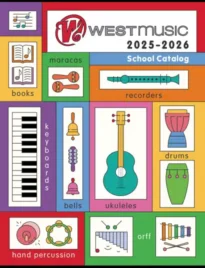
Accessing high-quality musical instruments and educational supplies is a priority for teachers, therapists, and musicians. The variety of tools available can significantly impact the effectiveness of a music program or a therapeutic session. A reliable source like the West Music Catalog provides a broad array of items specifically designed for educational and clinical use. From the first notes played on a recorder to the complex rhythms of a percussion ensemble, having the right equipment ensures that students and clients can focus on their musical progress. This collection addresses the needs of various age groups and skill levels, making it a staple for those dedicated to music education.
Choosing instruments for a classroom requires careful consideration of durability, sound quality, and pedagogical intent. Educators often look for items that can withstand the rigors of daily use by students while still producing clear, accurate tones. This selection process is made easier when all necessary items are gathered in one place. By providing access to specialized gear such as Orff-Schulwerk instruments, ukuleles, and movement props, the catalog supports a holistic approach to music learning that engages students physically, mentally, and emotionally.
Strategic Instrument Selection for Classroom Success
Effective music education often hinges on the quality of the instruments provided to students. In an elementary setting, the introduction of barred instruments like xylophones, metallophones, and glockenspiels allows children to explore melody and harmony in a tactile way. These instruments, often associated with the Orff approach, are designed to be accessible, with removable bars that help beginners focus on specific scales. High-quality barred instruments feature solid wood or metal construction, ensuring they remain in tune and provide a resonant sound that encourages student participation. When classrooms are equipped with these tools, students develop a stronger sense of pitch and rhythmic coordination.
Beyond barred instruments, the ukulele has become a popular choice for introducing string instruments to students of all ages. Its small size and simple chord shapes make it an ideal transition from melodic percussion to harmony-based playing. Selecting a ukulele from a trusted source ensures that the instrument has stable tuning pegs and a comfortable fretboard, which reduces frustration for new players. The availability of soprano, concert, and tenor sizes allows educators to tailor their instrument sets to the physical needs of their students. Including a variety of string instruments in the curriculum broadens the musical horizons of the classroom and provides more opportunities for ensemble performance.
- Orff Instruments: Essential for melodic exploration and ensemble playing.
- Ukuleles: Perfect for teaching harmony and basic string techniques.
- Recorders: A classic tool for developing breath control and finger dexterity.
- World Percussion: Introduces students to diverse cultural rhythms and sounds.
The Versatility of Basic Percussion
Rhythm is the foundation of all music, and percussion instruments are the primary tools for teaching it. Small percussion items, such as rhythm sticks, triangles, and finger cymbals, are indispensable for elementary music rooms. These tools help students understand steady beat and complex rhythmic patterns. Furthermore, larger drums like djembes, tubanos, and floor toms provide a powerful way for students to engage in group drumming. These activities foster a sense of community and collaborative learning. High-quality drum heads and sturdy shells are necessary to ensure these instruments can endure years of classroom use without losing their acoustic integrity. Investing in well-made percussion gear leads to a more vibrant and sustainable music program.
Enhancing Early Childhood Development
The early years of a child’s life are a critical time for sensory and motor development. Music plays a vital role in this process, offering a multisensory experience that combines sound, movement, and touch. For early childhood educators, having a collection of movement props and simple instruments is essential. Items like colorful scarves, bean bags, and parachutes encourage children to move in response to music, helping them develop gross motor skills and spatial awareness. These activities also support social-emotional growth as children learn to move and play together in a shared space. The selection of these materials focuses on safety, durability, and bright, engaging colors that appeal to young learners.
In addition to movement props, simple rhythm instruments like egg shakers, wrist bells, and small tambourines are perfect for tiny hands. These instruments allow young children to experiment with cause and effect, learning that their actions produce sound. The tactile nature of these tools also supports fine motor development. When educators use these resources, they create a rich environment where children can explore their creativity and build a lifelong love for music. The variety of early childhood resources ensures that teachers can always find the right tool for every developmental milestone.
Specialized Solutions for Music Therapy
Music therapy is a specialized field that requires unique tools to meet the diverse needs of clients. Therapists often use instruments that are easy to play and provide immediate sensory feedback. Adaptive mallets, easy-grip shakers, and specialized switches allow individuals with physical or cognitive challenges to participate fully in musical activities. These tools are designed to be inclusive, ensuring that everyone has the opportunity to experience the healing power of music. The focus in this area is on accessibility and the therapeutic potential of sound. Instruments with soothing tones, such as singing bowls or soft-sounding chimes, can be particularly effective in clinical settings.
The use of music in therapy can help improve communication, motor skills, and emotional well-being. By selecting the right instruments, therapists can create customized sessions that address the specific goals of each client. Whether it is using a large paddle drum to encourage physical movement or a small kalimba for quiet reflection, the choice of equipment is crucial. Having access to a broad range of therapeutic resources allows professionals to provide the best possible care. This commitment to inclusivity and specialized support is a hallmark of a truly helpful musical resource.
Quality Standards for Musical Performance
As students progress in their musical studies, the quality of their performance gear becomes increasingly important. Intermediate and advanced musicians require instruments that offer greater tonal range and more precise mechanical action. This applies to everything from woodwinds and brass to concert percussion. When performers have access to professional-grade equipment, they can better express their musicality and refine their technical skills. High-quality cases, stands, and maintenance kits are also essential for protecting these valuable investments. Proper care and storage ensure that instruments remain in peak condition for years to come, supporting the long-term success of individual musicians and ensembles alike.
Selecting performance gear also involves considering the specific needs of different musical genres and settings. For example, a jazz band might require different percussion setups than a concert band or an orchestra. Having a diverse selection of equipment allows schools and organizations to support a wide range of musical styles. This flexibility is key to maintaining a relevant and engaging music program that meets the interests of all participants. By prioritizing quality and variety, music directors can ensure their ensembles always sound their best. Finding the right equipment is simple when using the West Music Catalog.