

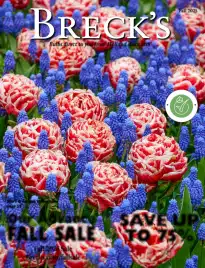
The arrival of a seasonal garden guide often signals a fresh start for outdoor enthusiasts. Planning a garden requires a combination of patience, timing, and access to high-quality plant materials that can withstand various environmental conditions. For those who appreciate the historical significance of Dutch bulbs, the process of selecting the right varieties becomes an annual ritual that connects the gardener to a long tradition of horticultural excellence. Selecting the right flowers is about more than just color; it involves understanding growth habits, soil requirements, and bloom sequences to create a continuous display of beauty from the first thaw of spring until the first frost of winter.
Physical catalogs remain a vital tool for gardeners because they allow for tangible planning away from a screen. Being able to flip through pages and compare the heights and textures of different perennials helps in visualizing the final look of a flower bed. These resources provide essential data on hardiness zones and sun exposure, ensuring that every selection has the best possible chance to thrive in its new environment. By focusing on established varieties and new hybrids, a gardener can build a resilient outdoor space that returns with more vigor each year.
Designing a Vibrant Landscape with High-Quality Bulbs
Creating a successful garden starts with a solid foundation of spring-blooming bulbs. These are typically planted in the autumn, allowing them to establish roots before the ground freezes. The variety available to modern gardeners is vast, ranging from the earliest snowdrops that peek through the winter snow to the late-season tulips that bridge the gap into summer. When planning these spaces, it is helpful to consider the scale of the flowers. Large-scale plantings of a single variety can create a bold statement, while a mixture of different types provides a more natural, meadow-like appearance. Success depends on selecting healthy, firm bulbs that have been stored properly before reaching the garden.
The Enduring Appeal of Dutch Tulips
Tulips are perhaps the most iconic choice for any spring garden. They offer a spectrum of colors ranging from soft pastels and creamy whites to intense, saturated purples and fiery oranges. Within this category, there are several sub-types to consider. Darwin Hybrid Tulips are known for their large, classic cup shapes and strong stems that can withstand wind and rain. These are excellent for creating focal points in the middle of a border. For those looking for something more unique, Parrot Tulips provide ruffled, fringed petals that look almost like feathers, adding a touch of artistic flair to the garden. It is important to plant these at a depth of about six to eight inches in well-draining soil to ensure they do not rot during damp winters.
Reliable Daffodils for Naturalizing
Daffodils, or Narcissus, are a favorite for many because they are remarkably hardy and long-lived. One of the greatest benefits of daffodils is that they are deer-resistant and rarely bothered by rodents, making them ideal for gardens near wooded areas. These flowers are perfect for naturalizing, which means they will multiply on their own over time, eventually creating large drifts of color. Gardeners can choose from traditional yellow trumpets, multi-colored varieties with orange cups, or even fragrant miniature versions that work well in rock gardens. Because they return year after year with minimal effort, they are considered one of the best investments for a perennial garden.
- Giant Alliums: These provide unique globe-shaped flowers that add height and architectural interest.
- Crocus: One of the earliest sources of nectar for pollinators in the late winter.
- Hyacinths: Prized for their intense fragrance and dense spikes of bell-shaped flowers.
- Muscari: Often called Grape Hyacinths, these are perfect for the front of a border.
- Fritillaria: Unusual, bell-shaped blooms that offer a sophisticated look.
Strategies for Summer Success and Beyond
As the spring blooms begin to fade, the garden transitions into its summer phase. This is when lilies, dahlias, and gladiolus take center stage. Summer-flowering bulbs are often planted in the spring once the danger of frost has passed. These plants tend to be taller and more dramatic, providing the vertical interest needed to complement low-growing perennials. Lilies, in particular, are a staple of the summer garden. Oriental Lilies are famous for their large, star-shaped flowers and intoxicating scent, while Asiatic lilies offer earlier blooms in a wider range of bright, bold colors. Providing these plants with plenty of sunlight and regular moisture will result in a spectacular mid-summer show.
Maintaining Garden Health Through the Seasons
Long-term success in the garden requires attention to soil health and proper maintenance. Before planting any bulbs, it is beneficial to incorporate organic matter like compost into the soil to improve its structure and nutrient content. Most bulbs prefer a neutral to slightly acidic pH level. During the growing season, removing spent flowers, a process known as deadheading, helps the plant direct its energy back into the bulb rather than into seed production. However, it is crucial to leave the foliage intact until it has completely yellowed and died back naturally. This allows the leaves to photosynthesize and store energy for the following year’s growth. In colder hardiness zones, applying a layer of winter mulch can help protect the bulbs from extreme temperature fluctuations.
- Stargazer Lily: A classic Oriental lily with pink and white petals and a heavy scent.
- Dinnerplate Dahlias: Massive blooms that can reach up to ten inches in diameter.
- Peonies: Long-lived perennials that produce lush, fragrant flowers every June.
- Bearded Iris: Known for their intricate flower structures and wide array of colors.
- Daylilies: Extremely tough plants that can thrive in almost any soil condition.
Perfecting the Art of Garden Planning
Effective garden design involves thinking about the garden in three dimensions. Height, color, and texture all play a role in how a space is perceived. Placing shorter plants like pansies or crocus at the front of a bed and taller plants like foxgloves or alliums at the back creates a sense of depth. Color theory can also be applied; complementary colors like purple and yellow create high contrast and excitement, while analogous colors like pink, red, and orange create a more harmonious and soothing atmosphere. By using a comprehensive resource to study these characteristics, a gardener can ensure that every plant has enough space to grow and that no single variety overpowers the others. Understanding sunlight requirements is also key, as some plants thrive in full sun while others prefer the cool protection of partial shade.
The journey of a thousand blooms begins with a single selection. Whether a gardener is looking to fill a small container on a patio or a sprawling backyard border, having access to a diverse range of plants is essential. High-quality bulbs and perennials are the building blocks of a beautiful outdoor living space. By following proper planting techniques and choosing varieties that are suited to the local climate, anyone can achieve professional-looking results. To begin planning your next seasonal masterpiece, explore the diverse options found in the Breck’s Flower Catalog.