

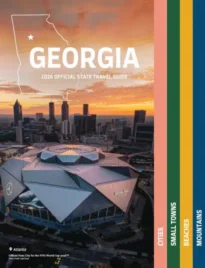
Georgia offers a vast array of travel experiences, stretching from the rolling peaks of the Appalachian Mountains to the sun-drenched shores of the Atlantic Ocean. This state serves as a cultural and historical anchor in the South, inviting exploration of its diverse terrain and vibrant cities. Visitors find a unique blend of fast-paced urban life and the slow, rhythmic charm of coastal towns. The geography changes significantly as one moves through the state, providing a backdrop that includes dense forests, fertile farmland, and marshy wetlands. This diversity ensures that every traveler finds something that resonates with their interests, whether they are history buffs, outdoor enthusiasts, or food lovers.
Understanding the regional layout is key to a successful visit. The state is generally divided into several distinct areas: the northern mountains, the central Piedmont plateau, and the southern coastal plain. Each region carries its own identity, reflected in its local customs, culinary traditions, and outdoor activities. By venturing beyond the major highways, travelers can discover the quiet beauty of the countryside and the genuine warmth of the local communities. This guide provides a detailed look at the major hubs and the hidden gems that make the area a standout destination for domestic and international tourists alike, ensuring a well-rounded and authentic Southern experience.
The Urban Energy and Historical Depth of Atlanta
Atlanta stands as the economic and cultural powerhouse of the Southeast. The city is a sprawling metropolis that managed to preserve its lush tree canopy, earning it the nickname City in a Forest. One of the most significant sites is the Martin Luther King Jr. National Historical Park, which preserves the childhood home and the legacy of the civil rights leader. For those interested in modern attractions, the Georgia Aquarium offers an immersive look at marine life, featuring massive whale sharks and manta rays in its centerpiece exhibit. Adjacent to the aquarium is the World of Coca-Cola, which explores the history of the world’s most famous beverage, born right in the heart of the city in the late 19th century.
The Atlanta BeltLine has transformed the city’s urban landscape, turning old railway corridors into a vibrant network of public parks, multi-use trails, and transit. Walking or cycling along the Eastside Trail provides access to Ponce City Market, a massive mixed-use development located in a historic Sears, Roebuck & Co. building. Here, visitors can find a sophisticated food hall, rooftop amusements, and unique retail shops. The city also boasts a thriving arts scene, with the High Museum of Art showcasing a significant collection of classic and contemporary works. Atlanta’s culinary scene is equally diverse, offering everything from traditional Southern comfort food to innovative international cuisine in neighborhoods like Inman Park and Buckhead.
Savannah: A Coastal Masterpiece of History and Architecture
Savannah is often described as one of the most beautiful cities in the United States. Its layout is famous for its 22 public squares, which serve as green oases surrounded by stunning examples of Federal, Victorian, and Gothic Revival architecture. A stroll through the historic district feels like stepping back in time. Forsyth Park, with its iconic white fountain and sprawling lawns, is a favorite spot for both locals and visitors. The city’s history is palpable in its cemeteries, particularly Bonaventure Cemetery, where ornate monuments and ancient oaks create a quiet and reflective atmosphere. Preservation efforts have kept the city’s character intact, making it a premier destination for those who appreciate historic aesthetics.
The waterfront area along River Street offers a different vibe, with old cotton warehouses converted into shops, galleries, and restaurants. Here, the sound of ship horns and the sight of large cargo vessels moving along the Savannah River provide a reminder of the city’s importance as a major port. For those interested in the mysterious side of history, the city is frequently cited as a place with many stories to tell, with numerous evening tours exploring its past. Savannah’s food culture is deeply rooted in coastal traditions, with fresh seafood, shrimp and grits, and Lowcountry boil being staples of the local diet. The blend of history, hospitality, and coastal beauty makes it an essential stop on any itinerary.
Coastal Getaways: The Golden Isles and Beyond
Just south of Savannah lie the Golden Isles, a string of barrier islands known for their pristine beaches and relaxed pace of life. Jekyll Island, once an exclusive retreat for the nation’s wealthiest families, is now a state park that offers miles of bike trails and the fascinating Georgia Sea Turtle Center. St. Simons Island provides a mix of historic sites, such as the St. Simons Lighthouse, and a charming village area filled with local boutiques. For those seeking a more rugged experience, Cumberland Island National Seashore is accessible only by ferry and is home to wild horses and undeveloped dunes, offering a true escape into nature.
- Tybee Island: A classic beach town located just a short drive from Savannah, perfect for families and water sports.
- Little St. Simons Island: A private sanctuary offering guided nature tours and limited guest accommodations for a secluded experience.
- Okefenokee Swamp: Located further inland, this massive blackwater swamp provides a unique ecosystem for canoeing and wildlife viewing.
- Sapelo Island: Home to the Hog Hammock community and significant ecological research sites.
Exploring the North Georgia Mountains and Outdoor Adventures
The northern part of the state is dominated by the Blue Ridge Mountains, offering some of the most spectacular scenery in the region. Amicalola Falls State Park is a major draw, featuring a 729-foot waterfall that is the tallest in the state. The park also serves as a gateway for hikers, as it contains an approach trail to the Appalachian Trail. For a different perspective, the Blue Ridge Scenic Railway takes passengers on a nostalgic journey along the Toccoa River, providing scenic views of the mountain landscape. The elevation gain provides a cooler climate, making it a popular summer retreat for those looking to escape the heat of the plains.
The region is also becoming increasingly known for its burgeoning wine industry. The hills around Dahlonega and Cleveland are dotted with vineyards that produce a variety of award-winning wines. Visiting these tasting rooms allows travelers to enjoy local flavors while taking in panoramic views of the mountains. Outdoor activities abound, from white-water rafting on the Chattooga River to fly fishing in the many trout streams that crisscross the area. The changing seasons bring new reasons to visit, with vibrant spring blooms and brilliant autumn foliage drawing large crowds. State parks like Cloudland Canyon offer deep gorges and sandstone cliffs that provide some of the best hiking trails in the Southeast.
Cultural Hubs in the Highlands: Helen and Dahlonega
Small towns in the mountains offer unique cultural experiences that contrast with the urban centers. Helen is famous for its Bavarian-inspired architecture, making visitors feel as though they have been transported to a village in the German Alps. The town is a hub for tubing on the Chattahoochee River during the summer and hosts one of the longest-running Oktoberfest celebrations in the country. Dahlonega, the site of the first major gold rush in the United States, maintains its historic square and offers tours of old gold mines. These towns provide a perfect base for exploring the surrounding natural wonders while enjoying local hospitality and unique shopping opportunities.
Planning Tips: Weather, Food, and Transportation
When organizing a trip to Georgia, considering the climate is essential. The state experiences a humid subtropical climate, meaning summers can be quite hot and humid, especially in the southern regions. Spring and autumn are generally considered the best times to visit, as the temperatures are mild and the natural scenery is at its peak. Georgia’s culinary landscape is a major highlight, with a strong emphasis on farm-to-table ingredients and traditional preparation methods. Travelers should make a point to try local specialties such as fried green tomatoes, pimento cheese, and fresh Georgia peaches during the peak summer months. Barbecue is also a significant part of the culture, with various regions favoring different sauce styles.
Transportation is most convenient by car, as many of the state’s natural attractions and small towns are not easily reached by public transit. However, major cities like Atlanta have robust ride-sharing networks and a rail system that connects the airport to key urban areas. For those traveling long distances across the state, the interstate system is well-maintained and efficient. Engaging with the local communities and attending seasonal festivals can greatly enhance the travel experience, providing a true taste of the local traditions. For more in-depth planning, utilizing a Georgia Travel Guide helps in identifying the best routes and hidden treasures.