

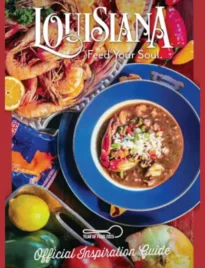
Louisiana offers an experience unlike any other state in the U.S. It is a place where history, music, and flavor collide in a spectacular display of cultural pride. Travelers often find themselves mesmerized by the Spanish moss draping over ancient cypress trees and the sound of brass bands echoing through historic streets. This region serves as a melting pot of French, Spanish, African, and Caribbean influences, creating a distinct identity that permeates everything from the architecture to the local dialect. Exploring the state reveals a deep connection to the land and a passion for celebration that defines the local way of life.
Navigating this multifaceted state requires an understanding of its distinct regions. Each area offers a different slice of life, whether it is the high-energy atmosphere of a New Orleans festival or the quiet, slow-paced charm of a riverside town. Visitors can immerse themselves in the deep-rooted traditions of the Acadian people or explore the political and academic hub of the state capital. The following insights provide a roadmap for an unforgettable journey through the heart of the South, ensuring every traveler finds something that resonates with their interests.
Exploring the Soul of the Crescent City
New Orleans remains the primary gateway for most visitors, and for good reason. Known as the Crescent City due to its location on a sharp bend of the Mississippi River, it is a city that feels both ancient and alive. While many tourists flock to the neon lights of Bourbon Street, the true character of the city lies in its diverse neighborhoods and historic squares. The French Quarter, with its iconic wrought-iron balconies and hidden courtyards, offers a glimpse into the colonial past, while the nearby Marigny and Bywater districts showcase a more contemporary, artistic side of the city.
The Rhythms of Frenchmen Street
For those seeking authentic music, Frenchmen Street is the place to be. Unlike the more commercialized areas, this stretch of the Marigny neighborhood is packed with intimate venues where local musicians play everything from traditional jazz to funk and brass. On any given night, the air is thick with the sound of saxophones and trumpets. Walking from club to club allows visitors to experience the evolving soundscape of Louisiana without the typical tourist traps. It is a space where locals and travelers mingle over shared appreciation for musical mastery.
Architectural Wonders of the Garden District
A short ride on the St. Charles Streetcar takes visitors to the Garden District, an area famous for its preserved 19th-century mansions and lush greenery. This neighborhood provides a stark contrast to the dense layout of the French Quarter. Here, wide streets are lined with live oaks and sprawling estates that showcase Greek Revival and Italianate architecture. A walk through Lafayette Cemetery No. 1 offers a fascinating look at the city’s unique above-ground burial traditions, which are a necessity due to the high water table of the region.
Venturing into Cajun Country
Heading west from the city leads to the heart of Acadiana, often referred to as Cajun Country. This region is the cultural home of the French-speaking Acadians who settled here after being exiled from Canada in the 18th century. Lafayette serves as the central hub for this area, offering a blend of modern amenities and traditional heritage. The focus here is on family, faith, and food, with a calendar full of festivals celebrating everything from crawfish to zydeco music.
- Vermilionville: A living history museum that recreates Acadian, Creole, and Native American life from the 1700s.
- Atchafalaya Basin: The largest wetland and swamp in the United States, perfect for boat tours and wildlife spotting.
- Acadian Village: A folk life museum featuring authentic 19th-century homes moved from various locations in the region.
- Tabasco Factory: Located on Avery Island, this site offers tours of the production facility for the world-famous hot sauce.
Swamp Tours and Natural Beauty
One of the most iconic experiences in Louisiana is a journey into the swamps. These ecosystems are vital to the state’s environment and economy. Taking a guided boat tour through the Atchafalaya or the bayous near Houma allows travelers to see alligators, egrets, and turtles in their natural habitat. Knowledgeable guides often share stories about the folklore of the swamp and the challenges of living in a landscape that is constantly shifting. It is a humbling experience to see the massive cypress knees rising from the dark, still water.
The Flavors of the Bayou
Food is not just sustenance in Louisiana; it is a way of life and a primary form of expression. The state’s culinary scene is broadly divided into Creole and Cajun styles. Creole cooking, centered in New Orleans, is often described as “city food,” utilizing sophisticated sauces and a wider variety of ingredients. Cajun cooking, found in the rural prairies and bayous, is “country food,” known for being one-pot meals that are hearty and seasoned with the “holy trinity” of onions, bell peppers, and celery.
Essential Dishes to Try
No visit is complete without sampling the local staples. Gumbo, a thick stew served over rice, varies from kitchen to kitchen, featuring seafood, chicken, or smoked sausage. Jambalaya is another favorite, a rice-based dish that packs a flavorful punch. For dessert, the fried dough known as beignets, covered in a mountain of powdered sugar, is a mandatory stop at local cafes. In the spring, the focus shifts to crawfish boils, where large quantities of the freshwater crustaceans are boiled with corn, potatoes, and spices for a communal outdoor feast.
Historical Landmarks and Plantation Country
The stretch of land along the Mississippi River between New Orleans and Baton Rouge is known as Plantation Country. This area holds a complex and often somber history. Many of the historic estates have been preserved and are open to the public, offering tours that examine the lives of the wealthy landowners and the enslaved people who built and maintained these massive operations. Sites like Whitney Plantation provide a vital perspective by focusing primarily on the experience of the enslaved, ensuring their stories are not forgotten.
Baton Rouge: The State Capital
Baton Rouge offers a different pace than its southern neighbors. As the seat of government, it features the tallest state capitol building in the United States, an Art Deco masterpiece with an observation deck that provides panoramic views of the river and the city. The Old State Capitol, which looks more like a medieval castle than a government building, now serves as a museum of political history. The city is also home to Louisiana State University, where the campus culture and athletic events are a major draw for visitors and locals alike.
Outdoor Escapes and Coastal Life
While the cities and swamps get much of the attention, the Louisiana coast and northern hills offer their own unique charms. To the south, Grand Isle provides a gateway to the Gulf of Mexico, serving as a premier destination for deep-sea fishing and bird watching during migration seasons. The coastal marshes are a haven for anglers seeking redfish and speckled trout. In the northern part of the state, the landscape changes to rolling hills and pine forests, offering hiking and camping opportunities in places like Kisatchie National Forest.
Planning a trip to this region means embracing the unexpected. Whether it is stumbling upon a neighborhood parade or finding a world-class meal in a remote gas station, the state rewards those who explore with an open mind. The warmth of the people and the richness of the traditions ensure that every visit leaves a lasting impression. For more detailed information on planning your itinerary and discovering hidden gems across the state, be sure to consult a reliable Louisiana Travel Guide.