

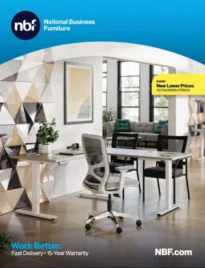
Creating a professional workspace requires a thoughtful approach to both aesthetics and functionality. The environment where people spend their working hours significantly influences their focus, comfort, and general output. Choosing the right office furniture is not just about filling a room; it is about selecting tools that support the physical needs of employees while reflecting the professional identity of the organization. From the layout of a reception area to the specific lumbar support in an executive chair, every detail contributes to a cohesive and efficient workplace. High-quality furniture serves as the foundation for a professional setting that encourages concentration and helps maintain a healthy physical posture throughout the day.
Modern offices are evolving to accommodate diverse work styles, including quiet individual tasks and high-energy collaborative sessions. This shift necessitates a variety of furniture solutions that can adapt to different needs. Investing in professional-grade equipment ensures longevity and provides a consistent experience for everyone in the building. When furniture is designed with the user in mind, it reduces the risk of physical strain and allows individuals to focus entirely on their objectives rather than their discomfort. Strategic office planning involves more than just picking desks; it involves understanding the workflow of a business and providing the physical infrastructure necessary for that workflow to thrive without interruption.
The Science of Ergonomic Comfort in the Modern Office
Ergonomics is often the most critical factor when selecting office equipment. A chair that lacks proper support can lead to long-term physical issues, which in turn affects concentration and overall job satisfaction. Professional seating solutions focus on ergonomic features such as adjustable seat depth, tilt tension, and lumbar support. These elements allow users to customize their seating position to match their unique body proportions. When a chair supports the natural curve of the spine, it minimizes pressure on the lower back and neck, facilitating a more comfortable and productive workday. This attention to physical health is a hallmark of a well-planned office environment that values the well-being of its occupants.
The Rise of Height-Adjustable Desks
The traditional sedentary work model is being replaced by more dynamic options, such as height-adjustable desks. These versatile surfaces allow individuals to transition between sitting and standing with ease. This movement is essential for maintaining circulation and reducing the fatigue associated with staying in one position for too long. By incorporating standing desks, an office promotes a culture of movement. These desks often feature quiet motor systems and programmable presets, making it simple for anyone to find their ideal height. The flexibility provided by these desks ensures that the workspace can accommodate different tasks, whether it is a quick standing meeting or a long period of focused writing. Improved posture is a natural result of having the option to stand, which contributes to long-term health benefits for the entire team.
Beyond individual desks, the layout of a room dictates how information flows between team members. Modular workstations are an excellent solution for businesses that anticipate growth or changes in their team structure. These systems can be configured in various ways, from private cubicles with high partitions for deep focus to open-plan clusters that encourage collaboration. The ability to rearrange these units means that the office can grow alongside the business without requiring a complete overhaul of the furniture. Modular designs often include integrated cable management systems, which keep cords hidden and out of the way, maintaining a clean and professional appearance that minimizes distractions.
Designing Spaces for Team Synergy and Innovation
While individual focus is necessary, many modern business goals are achieved through teamwork. Conference rooms and meeting areas require furniture that facilitates communication. A large, sturdy conference table acts as the centerpiece for brainstorming sessions and formal presentations. These tables often come equipped with built-in power modules and data ports, allowing participants to keep their devices charged and connected. Surrounding these tables with comfortable, mobile chairs ensures that long meetings do not become physically taxing. The choice of materials, such as durable laminates or sophisticated wood veneers, can set the tone for the room, whether it is a creative studio or a high-stakes executive boardroom.
Creating Effective Breakout and Lounge Areas
In addition to formal meeting rooms, informal breakout areas are becoming a staple in contemporary office design. These spaces provide a change of scenery and a more relaxed atmosphere for spontaneous discussions. Lounge seating, such as sofas and club chairs, creates an inviting environment where employees can recharge or chat about projects in a low-pressure setting. Adding small coffee tables and side tables provides a place for laptops or notebooks, ensuring these areas remain functional. When employees have access to different types of environments within the same office, they can choose the space that best fits their current task, leading to higher levels of productivity and creative thinking.
Storage and organization are often the unsung heroes of a successful office. Without proper filing systems and cabinets, a workspace can quickly become cluttered, leading to lost time and increased stress. Lateral filing cabinets, pedestals, and bookcases help keep documents and supplies organized and easily accessible. Many storage units are designed to match desk suites, creating a unified look throughout the office. Secure storage is also a priority for many businesses, and lockable cabinets provide a safe place for sensitive information. An organized environment allows the mind to stay clear and focused on the work at hand, rather than the surrounding mess.
Enhancing the Professional Image Through Reception Areas
The reception area is the first point of contact for clients, partners, and potential employees. It serves as a visual representation of the company’s values and professionalism. A well-designed reception desk should be both welcoming and functional, providing a clear place for visitors to check in while offering the receptionist a practical workspace. Complementing the desk with high-quality guest seating is essential. Comfortable chairs and benches in the waiting area ensure that guests feel valued from the moment they walk through the door. Making positive first impressions is vital for any business, and the quality of the reception furniture plays a significant role in that perception.
The Importance of Material Selection and Durability
Durability is a non-negotiable factor when selecting business furniture. Office items are subject to daily use and must be able to withstand the rigors of a busy environment. Selecting pieces made from high-quality materials ensures that the investment lasts for many years. Metal frames, high-density laminates, and heavy-duty fabrics are common choices for furniture that needs to endure constant movement and contact. Furthermore, choosing modular designs allows for easy replacement of individual parts if necessary, rather than having to replace an entire unit. This focus on durability not only saves money in the long run but also ensures that the office maintains its professional appearance over time without showing signs of excessive wear.
Lighting and acoustics also play a role in how furniture is perceived and used. Acoustic panels and privacy screens can be integrated into desk setups to dampen sound in busy offices. This is particularly useful in open-plan layouts where noise can become a distraction. By providing physical barriers that also serve as sound absorbers, businesses can create a more peaceful work environment. Similarly, furniture placement should take advantage of natural light whenever possible, as a well-lit workspace is known to improve mood and energy levels. The combination of functional furniture and a well-thought-out environmental design creates a holistic workspace where people can perform at their best.
Ultimately, the goal of any office furniture selection should be to create a space that supports the people within it. Whether it is a small home office or a large corporate headquarters, the principles of comfort, organization, and professional style remain the same. By prioritizing the physical needs of the user and the functional requirements of the business, it is possible to build a workspace that is both beautiful and highly effective. Finding the right balance between modern trends and timeless quality ensures that the office remains a productive hub for years to come. For those looking to upgrade their professional environment with reliable and stylish solutions, consider the extensive options available at National Business Furniture.