

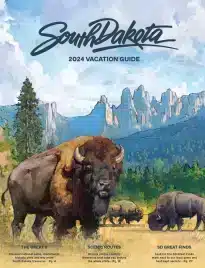
South Dakota represents a significant portion of the American heartland, offering a diverse array of geographic features and historical sites that appeal to travelers of all types. From the jagged spires of the Badlands to the dense ponderosa pines of the Black Hills, the state provides a backdrop for adventure and reflection. Visitors often find themselves surprised by the sheer variety of experiences available, whether they are interested in the rugged life of the frontier or the quiet beauty of the rolling prairies. This guide aims to provide a clear roadmap for those looking to explore the hidden gems and famous landmarks that define this Midwestern treasure.
Planning a trip to this region requires an understanding of its vast distances and seasonal shifts. The state is divided roughly by the Missouri River, creating two distinct halves known locally as ‘East River’ and ‘West River.’ While the western side is famous for its mountainous terrain and national parks, the eastern side offers vibrant urban centers and fertile agricultural lands. By exploring both, travelers gain a full appreciation for the state’s cultural depth and natural wonders, making for a well-rounded and memorable journey through one of the most scenic parts of the United States.
Exploring the Black Hills and Iconic Monuments
The Black Hills of western South Dakota are often the primary draw for visitors, and for good reason. This isolated mountain range contains some of the most recognizable sites in the world. Mount Rushmore National Memorial stands as a massive tribute to American history, with the faces of four presidents carved into the granite cliffside. To get the most out of a visit, travelers should arrive early in the morning to catch the first light hitting the stone, which provides excellent clarity for photography and a quieter atmosphere before the midday crowds arrive.
Just a short drive from Mount Rushmore is the Crazy Horse Memorial, an ongoing mountain carving dedicated to the legendary Lakota leader. This site offers a different perspective on the history of the region, focusing on the heritage and culture of the Indigenous people who have called these hills home for generations. The visitor center at Crazy Horse provides extensive educational exhibits, including traditional artwork and historical artifacts that help explain the deep spiritual significance of the Black Hills to the Lakota people. Seeing both monuments provides a more complete narrative of the American West.
The Rugged Beauty of Badlands National Park
East of the Black Hills lies Badlands National Park, a place where erosion has carved the earth into a maze of buttes, canyons, and pinnacles. The terrain here is stark and dramatic, with layers of colored rock that change hue depending on the position of the sun. It is a premier location for spotting wildlife, including bighorn sheep, bison, and prairie dogs. The Loop Road is the most popular way to see the park, offering numerous overlooks that allow for short walks and panoramic views of the ancient seabed that once covered this area millions of years ago.
For those who prefer to get away from the pavement, the park offers several established trails. The Notch Trail is a favorite for those seeking a bit of excitement, featuring a log ladder and a walk along a cliff edge that leads to a stunning view of the White River Valley. Travelers should always carry plenty of water, as the summer temperatures in the Badlands can rise quickly and the dry air can be deceptive. The park is also a world-renowned site for paleontology, with fossils of ancient rhinoceroses and saber-toothed cats frequently discovered by researchers and occasionally by lucky visitors staying on the marked paths.
Wildlife Encounters in Custer State Park
Custer State Park is one of the largest state parks in the country and serves as a massive sanctuary for a variety of animals. The Wildlife Loop Road is a 18-mile journey through grasslands and hills where sightings of the park’s 1,500 free-roaming bison are almost guaranteed. These massive creatures often cross the road, giving visitors a front-row seat to their natural behavior. It is vital to remember that these are wild animals and should be viewed from a safe distance inside a vehicle.
- Needles Highway: A scenic drive featuring narrow granite pillars and tight tunnels that require careful navigation.
- Sylvan Lake: Often called the ‘crown jewel’ of the park, this lake is surrounded by massive rock formations and is perfect for kayaking or hiking.
- Black Elk Peak: The highest point in South Dakota, offering a challenging hike that rewards visitors with a 360-degree view of the surrounding hills and neighboring states.
- Buffalo Roundup: An annual event in September where cowboys and cowgirls herd the bison for their yearly health check, drawing thousands of spectators.
Historical Frontiers and Modern Cities
Beyond the natural wonders, South Dakota has a rich frontier history that is preserved in towns like Deadwood. This entire city is a National Historic Landmark, famous for its Gold Rush roots and the legends of Wild Bill Hickok and Calamity Jane. Today, visitors can walk the cobblestone streets, watch historical reenactments of famous shootouts, and visit Mount Moriah Cemetery where many of the town’s most famous residents are buried. The surrounding Gulch offers excellent opportunities for mountain biking and hiking, blending historical exploration with outdoor recreation.
Spearfish Canyon is another must-see destination in the northern Black Hills. The scenic byway through the canyon follows an old railroad grade, winding past limestone cliffs and several waterfalls, including Bridal Veil Falls and Roughlock Falls. This area is particularly beautiful in the autumn when the aspen and birch trees turn brilliant shades of yellow and gold. It is a quieter alternative to the more crowded parts of the southern hills and offers a peaceful environment for fly fishing or bird watching.
Urban Highlights in Sioux Falls
On the eastern side of the state, Sioux Falls serves as the primary urban hub. The city is named after the cascades of the Big Sioux River, which are the centerpiece of Falls Park. This 123-acre park allows visitors to walk right up to the rushing water and explore the ruins of an old mill. The city has a growing culinary scene and a vibrant downtown area filled with local boutiques and the SculptureWalk, an ever-changing outdoor gallery of art pieces installed along the sidewalks.
- Old Courthouse Museum: A beautiful quartzite building that houses exhibits on the regional history of eastern South Dakota.
- Great Plains Zoo: A family-friendly destination featuring animals from around the world and a dedicated Discovery Center.
- Washington Pavilion: A cultural center that includes an art gallery, a science center, and a theater for performing arts.
- Outdoor Campus: A place where visitors can learn about local wildlife and outdoor skills like archery or fishing through hands-on programs.
Travelers heading west from Sioux Falls often stop in Mitchell to see the World’s Only Corn Palace. This unique structure is decorated annually with murals made entirely of corn and other grains, celebrating the state’s agricultural roots. It is a testament to the community’s creativity and provides a fun, quirky break during a long drive across the prairie. Nearby, the Mitchell Prehistoric Indian Village offers a look at a 1,000-year-old ancestral village, providing another layer of historical context to the region.
Practical Tips for a South Dakota Journey
The best time to visit South Dakota is typically between late May and September. During these months, all seasonal roads and attractions are open, and the weather is generally favorable for outdoor activities. However, visitors should be prepared for sudden weather changes, particularly in the Black Hills where afternoon thunderstorms are common. If traveling in August, be aware of the Sturgis Motorcycle Rally, which brings hundreds of thousands of visitors to the region and can make finding lodging difficult if not booked well in advance.
Transportation is another key consideration. While Sioux Falls and Rapid City have regional airports, a car is essential for exploring the state effectively. Most of the major attractions are spread out, and public transit options are limited outside of the main cities. Driving through the state is an experience in itself, with long stretches of open road that offer a sense of freedom and a chance to see the vastness of the Great Plains. Gas stations can be far apart in rural areas, so keeping the tank full is a wise practice for any road trip.
Whether someone is looking for a deep dive into history or a rugged outdoor challenge, this state provides a wealth of opportunities. The combination of natural beauty, wildlife, and friendly communities makes it a destination that leaves a lasting impression. Taking the time to explore both the famous landmarks and the lesser-known backroads ensures a comprehensive experience. For more information on planning your trip and discovering all the hidden spots, check out this South Dakota Travel Guide.