

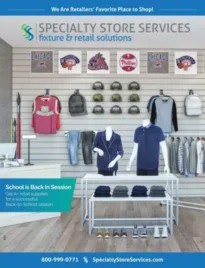
Creating a retail environment that resonates with shoppers requires a thoughtful blend of aesthetics and functionality. Successful store owners understand that every square foot of floor space represents an opportunity to engage a customer or facilitate a sale. The selection of store fixtures, displays, and organization tools plays a pivotal role in defining the customer journey. When a physical location is well-organized, shoppers feel comfortable exploring the aisles, which often leads to higher average transaction values and repeat visits.
The foundation of a high-performing retail space lies in its ability to adapt to changing inventory and seasonal trends. High-quality retail supplies allow for this flexibility, providing the structural support needed for heavy merchandise while maintaining a clean, professional look. From the moment a person walks through the door, the visual cues provided by shelving, lighting, and signage dictate their movement. Investing in the right infrastructure is not just about aesthetics; it is a fundamental strategy for operational success in a competitive marketplace.
Optimizing Retail Layouts with Versatile Display Systems
One of the most effective ways to manage floor space is through the use of modular display systems. Slatwall and gridwall are two of the most popular options because they offer nearly infinite configurations. Slatwall panels, often made from medium-density fiberboard with horizontal grooves, allow retailers to attach hooks, shelves, and bins easily. This versatility makes it simple to transition from displaying lightweight apparel to heavier hardware items without a complete renovation. Gridwall offers a similar benefit but with a more industrial, open feel that works well for modern or minimalist aesthetics.
Strategic placement of these systems can create natural corridors that lead shoppers toward high-margin items or promotional zones. For instance, placing slatwall displays near the perimeter of the store keeps the center open, creating a sense of spaciousness. Conversely, using freestanding gridwall units can help break up a large floor plan into smaller, more intimate shopping sections. The goal is to keep the eye moving and ensure that products are visible from multiple angles, reducing the likelihood of dead zones where inventory sits untouched.
The Practicality of Gondola Shelving
For retailers dealing with high-volume or heavy inventory, such as grocery stores, pharmacies, or pet supply shops, gondola shelving is the industry standard. These heavy-duty steel units are designed to withstand significant weight while remaining easy to clean and maintain. Gondola units come in single-sided versions for walls or double-sided versions for creating aisles. The ability to adjust shelf heights in one-inch increments allows for a custom fit for products of all sizes, ensuring that there is no wasted vertical space.
- Durability: Steel construction ensures longevity even in high-traffic environments.
- Customization: Available in various colors and finishes to match store branding.
- Accessibility: Open shelving makes it easy for customers to reach products and for staff to restock.
The Impact of Visual Merchandising on Consumer Behavior
Visual merchandising is the silent salesperson of the retail world. It involves the intentional arrangement of products to highlight their features and benefits. Display cases, particularly those made of tempered glass, are essential for showcasing high-value or delicate items like jewelry, electronics, and collectibles. These cases provide security while offering 360-degree visibility. Lighting within these cases can be adjusted to eliminate shadows, making the products appear more vibrant and appealing to the naked eye.
Mannequins also play a vital role in visual merchandising, especially in the fashion industry. By showing how clothing fits and hangs on a human form, mannequins help shoppers visualize themselves wearing the items. This psychological connection can be the deciding factor in a purchase. Placing mannequins in window displays or at the ends of aisles (endcaps) serves as a focal point, drawing attention to specific outfits or seasonal collections. Using a variety of poses and styles can help a store appeal to a broader demographic.
Enhancing the Checkout Experience
The checkout counter is the final touchpoint in the customer journey and represents a significant opportunity for impulse purchases. Small countertop displays and tiered racks are perfect for holding low-cost items like snacks, batteries, or gift cards. These displays should be organized and uncluttered to avoid overwhelming the shopper during the payment process. A clean, efficient checkout area leaves a positive final impression, encouraging the customer to return in the future.
Essential Retail Supplies for Daily Operations
Beyond the large fixtures, the small details of store management are equally important. Signage and price labeling are critical for clear communication. Customers often feel frustrated when they cannot easily find the price of an item, which can lead to abandoned carts. Clear, legible price tags and promotional signs help eliminate this friction. Utilizing sign holders that clip onto shelves or stand on floors ensures that messaging is consistent throughout the store.
Shopping baskets and carts are another essential element of a functional store. Providing these tools makes it easier for customers to carry more items, which naturally leads to larger purchases. For smaller boutiques, stylish handheld baskets might be sufficient, while larger retailers will benefit from tiered rolling carts. Keeping these items clean and easily accessible near the entrance is a simple yet effective way to improve the shopping experience. Furthermore, back-of-house supplies like garment racks and storage bins help keep inventory organized before it ever hits the sales floor.
Creating a Cohesive Brand Identity
Consistency in store design helps build brand recognition and trust. Whether a retailer chooses a rustic look with wooden fixtures or a sleek, modern aesthetic with chrome and glass, the theme should be consistent throughout the entire space. This includes everything from the style of the hangers to the type of bags used at the register. When a store feels cohesive, it conveys a sense of professionalism and attention to detail that customers appreciate.
Lighting is a often overlooked aspect of brand identity. Warm lighting can create a cozy, inviting atmosphere suitable for a bookstore or a high-end clothing shop. Bright, cool lighting is often better for hardware stores or pharmacies where clarity and visibility are the priority. Strategic lighting can also be used to highlight specific areas of the store, such as a new product launch or a clearance section, guiding the customer’s focus exactly where the retailer wants it.
Maintenance and Longevity of Fixtures
Investing in high-quality materials pays off in the long run. Retail fixtures endure a lot of wear and tear from constant customer interaction and the movement of merchandise. Choosing materials like high-grade plastics, tempered glass, and powder-coated steel ensures that displays stay looking new for years. Regular maintenance, such as tightening screws on racks and cleaning glass surfaces, prevents the store from looking neglected. A well-maintained store reflects the quality of the products being sold within it.
The right combination of shelving, displays, and operational supplies forms the backbone of any successful retail business. By prioritizing the customer experience and maintaining an organized, visually appealing environment, store owners can foster loyalty and drive growth. For those looking to upgrade their retail environment with professional-grade solutions, finding a reliable source for all retail needs is essential. To find everything required for a successful retail setup, visit Specialty Store Services.