

Exploring the vast expanse of the Lone Star State requires more than just a weekend trip. Texas spans over 260,000 square miles, offering a variety of environments that range from dense pine forests in the east to rugged desert mountains in the west. Travelers often find that the state feels like several different countries rolled into one, each with its own distinct culture, climate, and geography. Planning a journey here involves understanding these regional differences and the unique experiences they provide to visitors from around the globe.
The sheer scale of the landscape means that road trips are the preferred method of travel for those wanting to see the true heart of the region. Driving from the coastal plains of the Gulf of Mexico to the high peaks of the Davis Mountains reveals a shifting scenery that keeps the journey engaging. This guide provides a comprehensive look at the destinations that make this state a premier choice for explorers, food enthusiasts, and history buffs alike, ensuring every mile driven contributes to a memorable adventure.
Uncovering the Diverse Landscapes of the Lone Star State
One of the most striking features of Texas is the diversity found within its natural borders. To the west, the landscape is dominated by the Chihuahuan Desert, where the horizon seems to stretch forever. This area is home to Big Bend National Park, a massive protected area where the Rio Grande makes a sharp turn. Hikers and nature lovers visit this park to witness the dramatic limestone cliffs of Santa Elena Canyon and the high-altitude forests of the Chisos Mountains. It is a place of solitude and immense natural beauty, far removed from the hustle of the major metropolitan areas.
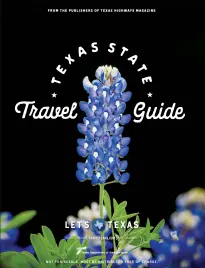
Moving toward the center of the state, the terrain transitions into the rolling hills and limestone bluffs of the Hill Country. This region is famous for its spring wildflower displays, particularly the iconic bluebonnets that carpet the roadsides in late March and April. The area is also known for its crystalline rivers, such as the Guadalupe and Frio, which are popular for tubing and swimming during the long, warm summers. Small towns like Fredericksburg offer a glimpse into the German heritage of the region, featuring local wineries, peach orchards, and historic main streets that invite slow-paced exploration.
The eastern part of the state presents a completely different environment, characterized by the Piney Woods. Here, towering loblolly pines and dense hardwoods create a lush, green canopy. Caddo Lake, located on the border with Louisiana, features hauntingly beautiful cypress swamps draped in Spanish moss. This area is perfect for canoeing and birdwatching, providing a quiet, ethereal atmosphere that contrasts sharply with the arid western deserts. Each of these regions highlights the environmental variety that defines the local geography.
Urban Hubs and Cultural Landmarks
The major cities of Texas are as different as its landscapes, each offering a unique personality and set of attractions. Houston, the largest city in the state, is a global hub for the energy industry and space exploration. Visitors frequently head to Space Center Houston to learn about the history of NASA and see the actual control centers used during the Apollo missions. Beyond science, the city boasts a world-class Museum District and a culinary scene that reflects its status as one of the most diverse cities in the United States.
The Vibrant Rhythm of Austin
Austin serves as the state capital and the self-proclaimed live music capital of the world. The city is famous for its energetic atmosphere, particularly along Sixth Street and the South Congress district. Beyond the music venues, the city is defined by its outdoor spaces, such as Lady Bird Lake and Barton Springs Pool. It is a place where government business meets a relaxed, creative lifestyle, making it a favorite for young professionals and travelers seeking a mix of culture and recreation. The annual festivals held here draw international crowds, yet the city maintains a local charm through its food truck parks and community events.
San Antonio and the Legacy of History
San Antonio offers a deep connection to the past, most notably through the Alamo, an 18th-century Spanish mission that became a symbol of the struggle for independence. The city has done an excellent job of preserving its colonial history while developing modern amenities. The San Antonio River Walk is a prime example, featuring a network of walkways along the banks of the San Antonio River, lined with shops, restaurants, and hotels. It remains one of the most visited sites in the state, providing a scenic and pedestrian-friendly way to navigate the downtown area while enjoying the local hospitality.
A Culinary Journey Through the South
No travel guide would be complete without mentioning the food culture that defines the region. Texas BBQ is a serious craft, often centered on slow-cooked beef brisket seasoned with simple salt and pepper. Different regions have their own styles, but the central Texas tradition of meat markets serving food on butcher paper remains a gold standard. Cities like Lockhart and Taylor are legendary for their smokehouses, where people wait in long lines for a taste of perfectly rendered fat and smoky bark. It is a culinary experience rooted in tradition and patience.
In addition to barbecue, Tex-Mex is a staple that reflects the state’s proximity to Mexico and its shared history. This fusion cuisine features items like cheese enchiladas, sizzling fajitas, and fresh flour tortillas. The use of cumin, chili peppers, and melted cheese creates a flavor profile that is distinct from traditional Mexican cooking. From upscale restaurants in Dallas to humble taco stands in the Rio Grande Valley, the variety of flavors ensures that every meal is an opportunity to discover something new and satisfying.
- Central Texas BBQ: Known for brisket and sausage.
- South Texas Tex-Mex: Famous for breakfast tacos and barbacoa.
- Gulf Coast Seafood: Featuring fresh shrimp and redfish.
- East Texas Comfort Food: Noted for chicken fried steak and cobblers.
Practical Tips for Travelers
When visiting, it is important to keep the weather in mind. Summers can be extremely hot, with temperatures frequently exceeding 100 degrees Fahrenheit. Spring and autumn are generally considered the best times to visit, as the temperatures are milder and the natural scenery is at its peak. Given the distances between major attractions, renting a vehicle is almost always necessary unless staying strictly within a single downtown area. Modern highways connect the major cities, but taking the backroads often leads to the most interesting discoveries, such as quirky roadside attractions and historic town squares.
Respecting the local environment and private property is essential, especially when exploring rural areas. Many of the most beautiful spots are located on private ranches, though state parks provide ample public access to the best natural features. Whether visiting the high-tech corridors of North Dallas or the quiet beaches of Padre Island, a spirit of curiosity and a readiness for long drives will serve any traveler well. This region rewards those who take the time to look past the stereotypes and see the complex, multi-layered reality of life in this part of the country. For more detailed information on planning your trip, consult a Texas Travel Guide.