

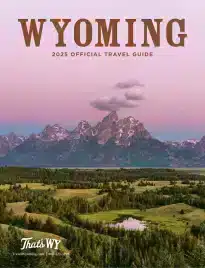
Traveling through the vast stretches of the Cowboy State feels like stepping back into a period where the land dictated the pace of life. Wyoming remains a place of profound silence and immense scale, where the horizon seems to pull away the further one drives. It is home to some of the most recognizable natural landmarks in North America, yet it maintains a sense of isolation that is increasingly rare in the modern world. Visitors often come for the famous national parks, but they stay for the quiet moments found in the high-desert plains and the rugged mountain ranges that define the local geography. This region offers a unique blend of geological history and living Western culture that is accessible to anyone willing to hit the open road.
Planning a visit requires an appreciation for distance and a readiness for changing weather. The state is characterized by its high elevation and sparse population, making it an ideal destination for those looking to escape the hustle of urban centers. From the thermal basins of the northwest to the rolling grasslands of the east, the variety of terrain supports a wide range of outdoor activities. This guide provides the necessary information to navigate the diverse regions and make the most of a trip to this iconic part of the American West, ensuring that every stop provides a deeper understanding of the local landscape and heritage.
The Dual Crown: Yellowstone and Grand Teton National Parks
Most journeys start in the northwest corner, where two of the world’s most prestigious protected areas sit side by side. Yellowstone National Park, established as the first national park in the world, is a massive volcanic caldera that remains geologically active. It is a place where the earth breathes through steam vents, mud pots, and geysers. Just south of it, Grand Teton National Park presents a completely different visual experience. The Teton Range rises abruptly from the floor of the Jackson Hole valley without the presence of foothills, creating a dramatic wall of granite that pierces the sky. Together, these parks represent the pinnacle of North American wilderness and offer unparalleled opportunities for wildlife viewing and photography.
Geothermal Wonders and Wildlife in Yellowstone
The primary draw of the northern region is the concentrated geothermal activity. Visitors can walk along boardwalks in the Upper Geyser Basin to witness the predictable eruptions of Old Faithful, a geyser that has become a symbol of the park’s reliability and power. Beyond the geysers, the Grand Canyon of the Yellowstone showcases the power of erosion, with its yellow-tinted walls and massive waterfalls providing a stark contrast to the surrounding forests. The colors of the Grand Prismatic Spring, created by heat-loving bacteria, offer a vibrant display that seems almost otherworldly. This area is not just about the geology; it is a thriving ecosystem where the cycle of life is visible at every turn.
Wildlife enthusiasts should head to the Lamar and Hayden Valleys. These wide-open meadows are often referred to as the Serengeti of North America. Here, herds of bison roam freely, often causing traffic delays that locals call bison jams. It is also one of the best places in the lower 48 states to spot grizzly bears and grey wolves in their natural habitat, especially during the early morning or late evening hours. Observing these animals from a safe distance provides a rare glimpse into a fully functioning wilderness. The park’s commitment to conservation ensures that these species continue to thrive in an environment that has changed little over the centuries.
Alpine Grandeur in the Tetons
While Yellowstone is about the heat beneath the surface, the Tetons are about the heights above. The park is a haven for hikers, climbers, and photographers. Jenny Lake serves as a central hub for many, offering boat shuttles that lead to trails like Hidden Falls and Inspiration Point. For those seeking a more serene experience, the inner park road provides numerous turnouts with views of the peaks reflected in the Snake River. The lack of foothills means that every viewpoint offers an unobstructed look at the jagged summits, which remain snow-capped well into the summer months. Mountaineering history is rich here, with the Grand Teton itself serving as a bucket-list peak for climbers from around the world.
Jackson Hole, the valley situated at the base of the mountains, serves as a gateway town. It retains a sophisticated yet rustic atmosphere, with its famous elk antler arches in the town square and a variety of galleries and restaurants. In the winter, this area transforms into an exceptional skiing destination, while the summer months are perfect for white-water rafting or fly-fishing on the river. The valley is also home to the National Elk Refuge, where thousands of elk winter each year. This proximity to nature is a defining characteristic of the local lifestyle, where the mountains are not just a backdrop but a central part of daily life.
Authentic Western Culture and Cowboy History
Wyoming’s identity is deeply rooted in the history of the frontier. This is not just a theme for tourists; it is a way of life that continues in the many small towns scattered across the state. Cody, located east of Yellowstone, was founded by William Buffalo Bill Cody and remains a center for Western heritage. The town hosts a nightly rodeo during the summer months, providing a glimpse into the skills of modern cowboys and cowgirls. This tradition is a vital part of the local community, celebrating the ranching roots that built the state. The spirit of the frontier is alive in the local shops, the historic Irma Hotel, and the annual celebrations that draw crowds from all over the country.
Cody and the Buffalo Bill Center of the West
Exploring the Buffalo Bill Center of the West is essential for anyone interested in the art, history, and culture of the region. This museum complex houses five distinct museums under one roof, covering everything from Plains Indian history to the evolution of firearms and Western art. The Whitney Western Art Museum features works by masters like Remington and Russell, while the Draper Natural History Museum explains the complex ecosystems of the Greater Yellowstone Area. It is a place where the myths of the West meet the realities of history, providing a balanced and detailed look at the people and events that shaped this part of the country.
Geological Marvels and Open Roads
Moving away from the popular northwest corner reveals other significant landmarks. In the northeastern part of the state, Devils Tower National Monument rises nearly 900 feet above the Belle Fourche River. This striking igneous intrusion is sacred to many Northern Plains tribes and is a premier destination for rock climbers. The surrounding park offers hiking trails that circle the base, providing different perspectives of the hexagonal basalt columns. The silence of the area is profound, and the tower stands as a solitary sentinel over the rolling hills of the Black Hills region. It was the first United States National Monument, designated by Theodore Roosevelt, and it remains one of the most unique geological features in the nation.
Further south, the state capital of Cheyenne hosts Cheyenne Frontier Days, the world’s largest outdoor rodeo and Western celebration. This event, held every July, features professional rodeo competitions, concerts, and parades, drawing visitors from across the globe to experience the spirit of the Old West. Beyond the festivities, the city offers a look at the political heart of the state, with the golden-domed State Capitol and the Wyoming State Museum providing context for the state’s transition from a territory to a leader in areas like women’s suffrage. The history of the railroad is also central here, as Cheyenne was a major hub for the Union Pacific, a legacy that can still be explored at the historic depot.
- Summer (June to August): The most popular time for visiting national parks, with all roads open and warm weather perfect for camping.
- Fall (September to October): Ideal for seeing fall colors, hearing elk bugle, and enjoying significantly fewer crowds at major sites.
- Winter (December to March): Perfect for skiing in Jackson Hole and snowmobiling in Yellowstone when the landscape is covered in deep snow.
- Spring (April to May): A quiet time to see baby animals and rushing waterfalls, though many high-altitude roads remain closed until late May.
- Driving the Snowy Range Scenic Byway for stunning alpine lakes and wildflower meadows.
- Visiting Thermopolis to see the world’s largest mineral hot springs and the Wyoming Dinosaur Center.
- Exploring the Red Desert to see the Killpecker Sand Dunes and wild horse herds.
- Stopping in Casper to visit the National Historic Trails Interpretive Center.
A trip to this region is an invitation to slow down and appreciate the raw beauty of the natural world. Whether standing on the rim of a canyon or watching the sunset over a high-desert basin, the sense of scale is humbling. The combination of world-class national parks, rich cultural history, and vast open spaces makes it a destination like no other. Planning a trip requires careful thought, but the rewards of seeing the American West in its purest form are unmatched. For more detailed itineraries and local tips, consult the Wyoming Travel Guide.